Manta Point: The Enchanting World of Manta Rays in Komodo
Komodo is known for its rugged islands, turquoise waters, and rich marine life. Among its many underwater attractions, Manta Point offers a special experience for travelers who want to see manta rays in their natural habitat.
These gentle giants are one of the most memorable sights in Komodo National Park. With their wide wingspans and graceful movements, manta rays can turn an ordinary dive or snorkeling trip into an unforgettable encounter.
What Makes Manta Point Special?
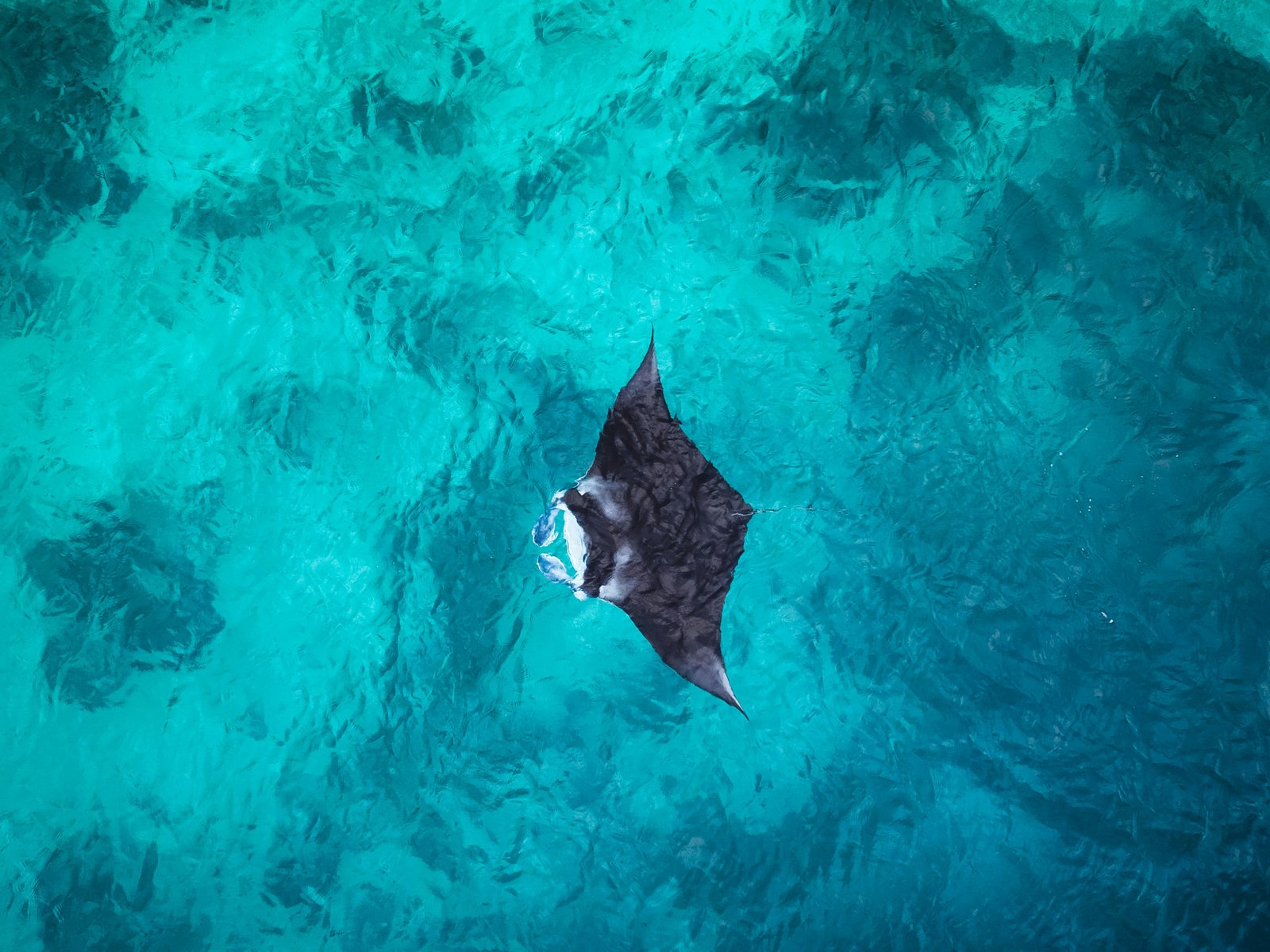
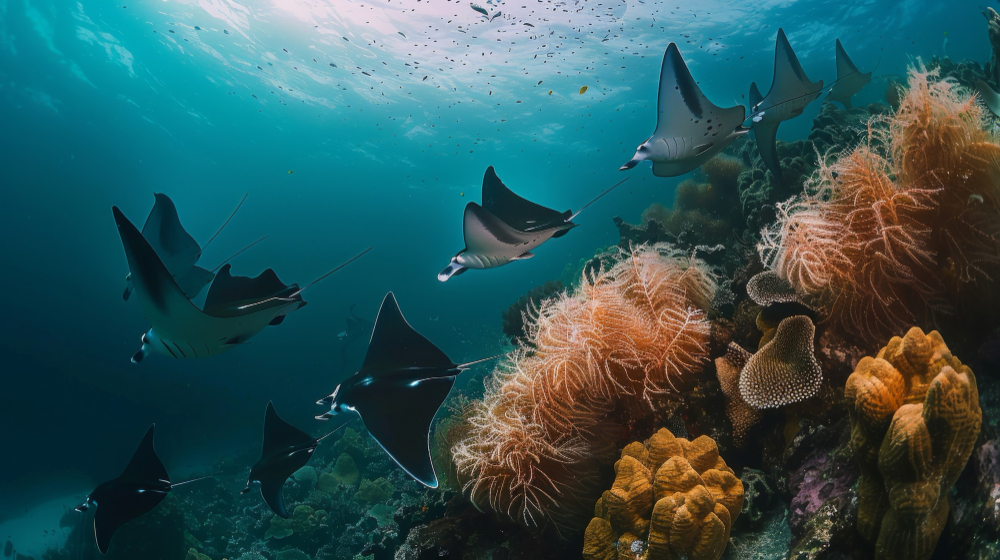
Located within the waters of Komodo National Park, Manta Point is recognized as one of the places where manta rays are frequently encountered. The area has become popular among divers and snorkelers because of its marine biodiversity and opportunities to observe these magnificent creatures.
Manta rays often move through the area in search of food. When conditions are favorable, visitors may see them gliding through the water, sometimes passing surprisingly close to divers.
The experience is not only about seeing a large marine animal. Watching manta rays move effortlessly through the ocean can also provide a glimpse into the natural rhythm of Komodo’s underwater ecosystem.
The Enchanting World of Manta Rays
Manta rays are known for their distinctive appearance. Their broad pectoral fins resemble wings, allowing them to move smoothly through the water. Despite their impressive size, they are generally gentle filter feeders that consume plankton and other tiny organisms.
At Manta Point, visitors may have the opportunity to watch these animals while they feed or cruise through the current. Their movements are calm and almost effortless, creating a peaceful scene beneath the surface.
For underwater photographers, this environment can also provide excellent opportunities to capture photographs. However, responsible behavior should always come first. Keeping a respectful distance allows the animals to move freely without unnecessary disturbance.
When Is the Best Time to Visit?
Manta sightings can vary depending on marine conditions, weather, and seasonal patterns. Rather than expecting a guaranteed encounter, travelers should treat every sighting as a natural experience.
The dry season is generally a popular period for exploring Komodo because of favorable weather and sea conditions. However, local operators can provide more specific advice based on current conditions and recent manta activity.
Planning your trip with an experienced dive or snorkeling operator can make the experience more comfortable. They can also help visitors understand local safety guidelines before entering the water.
A Responsible Way to Meet Manta Rays
Seeing manta rays in their natural environment comes with a responsibility to protect them and their habitat. Visitors should avoid touching, chasing, or blocking the animals’ movements.
It is also important to follow instructions from guides and maintain appropriate distances while snorkeling or diving. Simple actions can help minimize human impact on the marine environment.
The wider Komodo National Park is recognized for its exceptional natural and marine biodiversity. Learn more about the area through the UNESCO World Heritage Centre.
For travelers planning a broader trip, you can also explore our guide to the best time to visit Komodo.
Why Add Manta Point to Your Komodo Trip?
A visit to Manta Point can add a completely different dimension to a Komodo adventure. Instead of exploring only the islands and viewpoints, travelers can experience the life beneath the surface.
The combination of clear tropical waters, colorful marine ecosystems, and the possibility of encountering manta rays makes this destination worth considering for divers and snorkelers.
Most importantly, the experience does not need to be rushed. Taking time to observe the animals and appreciate their surroundings can make the encounter more meaningful.
Whether you are an experienced diver or a traveler trying snorkeling for the first time, Manta Point offers a chance to experience one of Komodo’s most fascinating marine encounters while respecting the natural world around it.