Manta Ray vs Stingray: The Difference You Should Know
Many people often confuse manta rays and stingrays because they look similar at first glance. Both belong to the same group of cartilaginous fishes called rays, but they actually have many differences in terms of size, behavior, habitat, and even how they interact with humans.
In this article, we will break down the differences between manta rays and stingrays so you can easily tell them apart the next time you see one in the ocean or aquarium.
What is a Manta Ray?
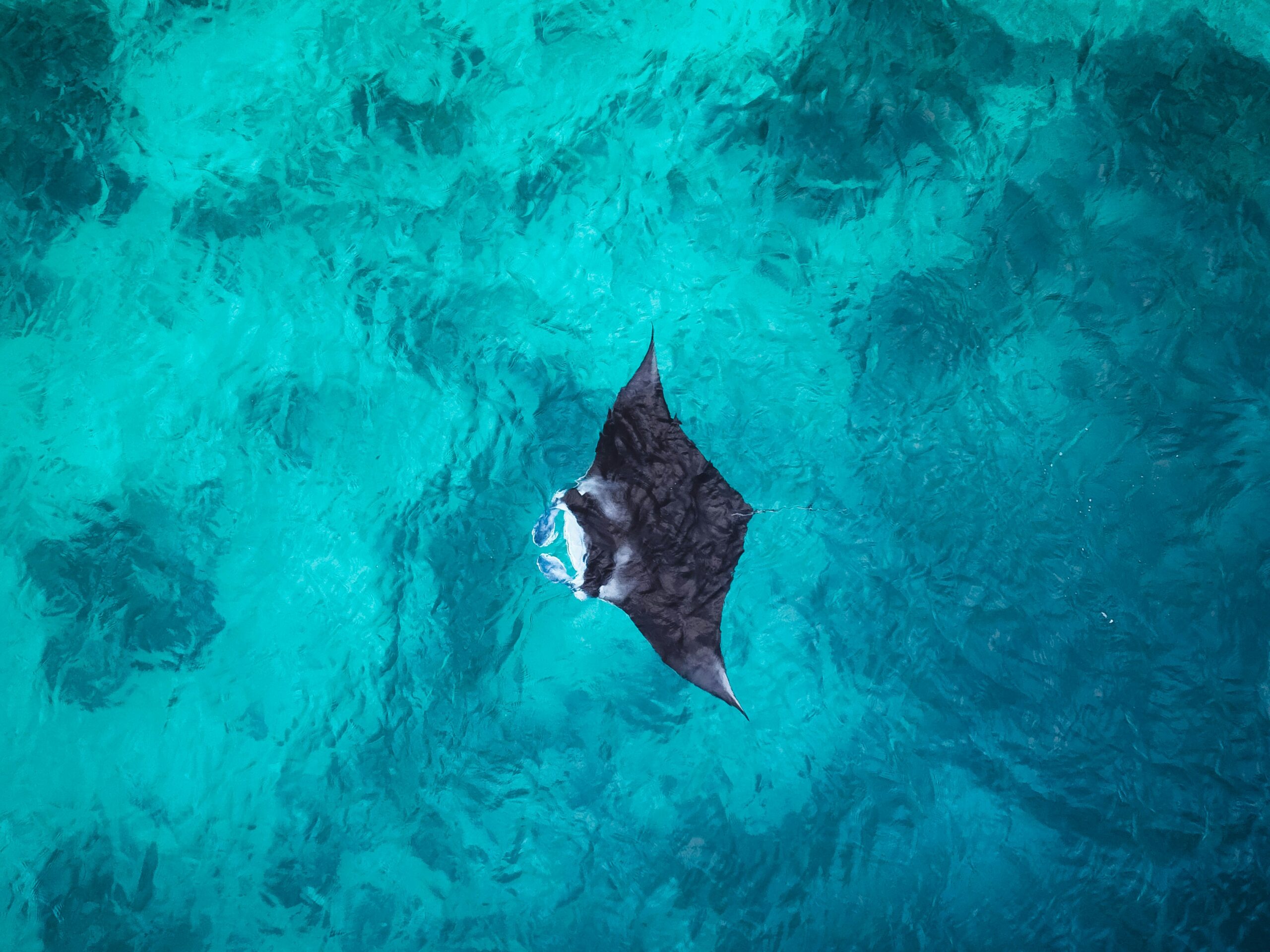
Manta Ray is one of the largest species of rays in the ocean. They are known for their massive wingspan and graceful swimming style. Unlike many other sea creatures, manta rays are completely harmless to humans.
Key Characteristics of Manta Rays:
- Can grow up to 7 meters or more in wingspan
- No stinger or barb on their tail
- Filter feeders (eat plankton and small organisms)
- Prefer open ocean environments
- Highly intelligent and social animals
Manta rays are often seen gliding gracefully in deep waters and are popular among divers due to their calm nature.
What is a Stingray?
Stingray is a flat-bodied ray that is commonly found in shallow coastal waters. Unlike manta rays, stingrays have a defensive tail equipped with a venomous barb.
Key Characteristics of Stingrays:
- Smaller in size compared to manta rays
- Have a sharp, venomous stinger on the tail
- Live in shallow waters, sandy bottoms, and rivers
- Feed on small fish, crustaceans, and mollusks
- Often camouflage themselves on the ocean floor
Stingrays are generally not aggressive, but they can sting if they feel threatened or accidentally stepped on.
Manta Ray vs Stingray: Key Differences
1. Size
– Manta rays are much larger
– Stingrays are generally smaller and more compact
2. Tail
– Manta rays: no stinger
– Stingrays: have a venomous barb for defense
3. Habitat
– Manta rays: open ocean
– Stingrays: shallow coastal waters and seabeds
4. Diet
– Manta rays are filter feeders. They eat tiny organisms such as plankton by swimming with their mouths open.
– Stingrays eat small animals like worms, shrimp, and fish that live on the seabed.
5. Behavior
– Manta rays: gentle and social
– Stingrays: shy and defensive when threatened
Are They Dangerous to Humans?
Manta rays are completely harmless and often interact peacefully with divers.
Stingrays, on the other hand, are not aggressive but can cause injury if stepped on. Most stingray injuries happen accidentally, not because the animal attacks.
Interesting Facts
– Manta rays have the largest brain-to-body ratio among fish
– Stingrays can bury themselves in sand for camouflage
– Both species are part of the same family group called rays
– Manta rays can live up to 40 years or more
Although manta rays and stingrays may look similar, they are actually very different in size, behavior, and anatomy. The most important distinction is that manta rays are harmless giants of the ocean, while stingrays have a defensive stinger for protection.
Understanding these differences not only improves your marine knowledge but also helps you appreciate the diversity of ocean life.
Why Understanding the Difference Matters
Understanding the difference between manta ray vs stingray is not only interesting for marine lovers but also important for safety and conservation awareness. Many people encounter these animals during snorkeling, diving, or beach activities without realizing how different they actually are.
By knowing their behavior and habitat, we can avoid unnecessary risks and also help protect these marine species in their natural environment.
The comparison of manta ray vs stingray shows that although they look similar, they are actually very different species. Manta rays are large, harmless ocean giants that glide gracefully in deep waters, while stingrays are smaller bottom-dwellers equipped with a defensive stinger.
Understanding these differences helps us appreciate ocean biodiversity and respect marine life more deeply.