Manta Ray Season in Komodo: 7 Best Tips for an Unforgettable Encounter
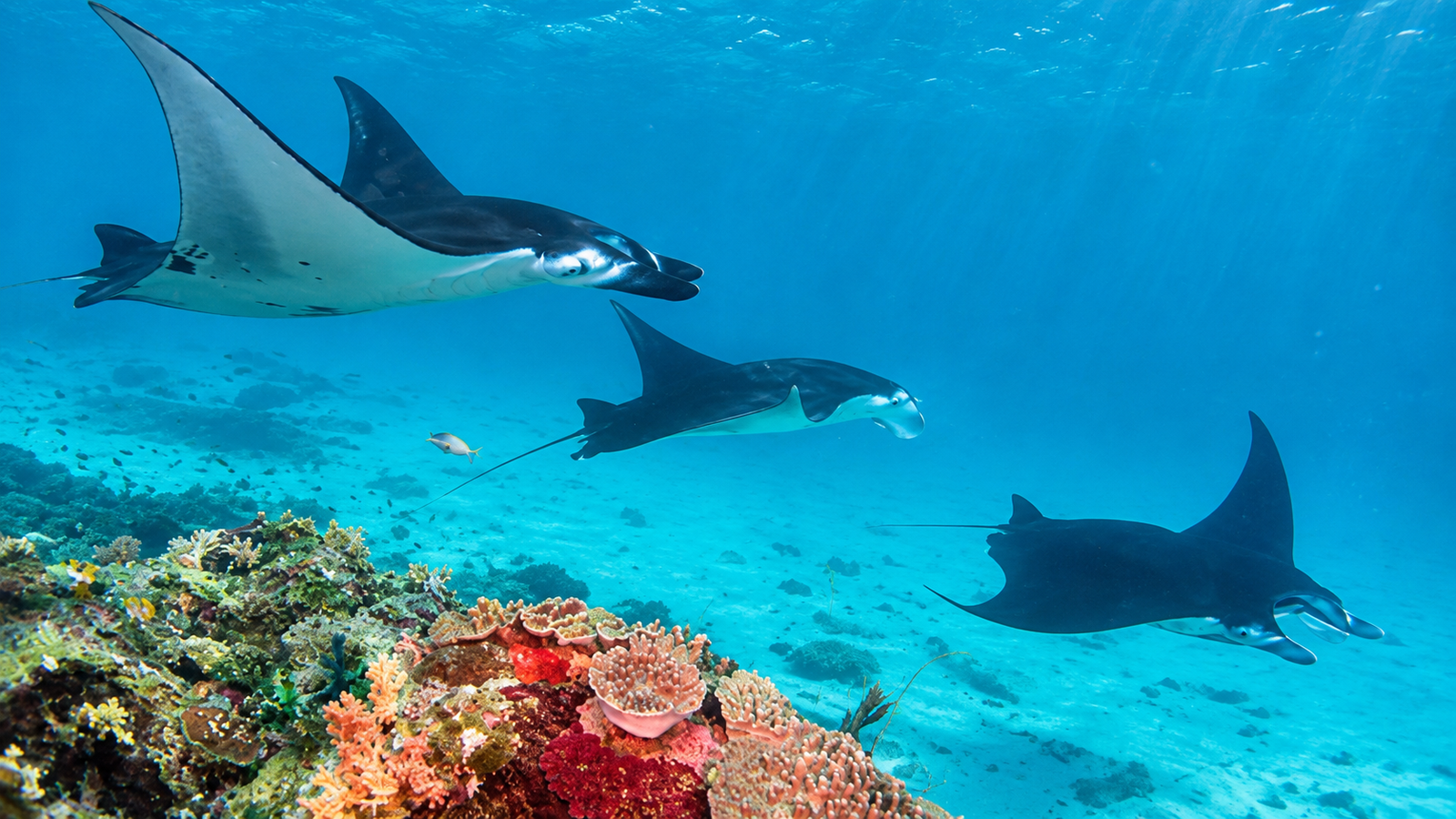
Komodo National Park is famous for its dramatic islands, crystal-clear waters, and remarkable marine biodiversity. Among its most memorable underwater encounters is swimming alongside the graceful Manta Ray. These gentle giants attract divers and snorkelers from around the world, making Komodo one of Indonesia’s most exciting marine destinations.
However, timing can make a difference when planning your trip. Understanding seasonal conditions, water visibility, and the best locations can help you prepare for a more rewarding experience.
1. When Is the Best Time to See Manta Rays in Komodo?
The best period for larger manta gatherings in central Komodo is generally between November and April. During these months, seasonal plankton increases provide feeding opportunities, attracting mantas to several underwater locations.
December to March is often considered a particularly productive period for encounters. However, sightings are possible throughout the year, depending on ocean conditions, tides, and feeding activity.
For travelers who prefer clearer water and generally drier weather, April to October can also be a good option. The number of mantas may vary, but the overall sailing experience can be more comfortable.
2. Why Do Manta Rays Gather in Komodo?
Komodo’s surrounding waters are influenced by powerful ocean currents that transport nutrients and support diverse marine ecosystems. These conditions create productive feeding grounds for many marine species.
Plankton is one of the main food sources for reef mantas. When plankton becomes abundant, these animals may gather in areas where food is readily available.
They also visit cleaning stations, where small cleaner fish remove parasites from their bodies. These natural interactions make certain reefs particularly interesting places for underwater observation.
3. Visit Manta Point for an Unforgettable Encounter
Manta Point, also known as Karang Makassar, is among the best-known locations for observing these graceful marine animals in Komodo National Park.
The area features shallow reef structures and underwater channels where mantas can be seen feeding or visiting cleaning stations. Snorkelers may observe them swimming beneath the surface, while certified divers can experience encounters from underwater viewpoints.
Because currents can become strong, visiting with an experienced local guide is essential. Always follow the crew’s instructions before entering the water.
4. Explore Other Manta Watching Locations
Besides Manta Point, several other locations offer opportunities for encounters.
Mawan is another popular site known for its cleaning stations and reef manta activity. Meanwhile, Manta Alley in southern Komodo is recognized for its underwater scenery and potential encounters with larger pelagic species.
Each location has different conditions, including water depth, currents, and accessibility. Your sailing operator can recommend suitable stops based on the weather and daily sea conditions.
5. Understand Seasonal Changes and Water Visibility
Choosing the right travel period involves balancing wildlife activity with underwater visibility.
During the wetter months, particularly December to March, increased plankton can attract larger feeding groups. However, the same plankton can reduce visibility underwater.
From June to September, visibility is often better across many northern and central dive sites. Although encounters may be less concentrated, clearer water can provide excellent conditions for underwater photography.
There is no single month that guarantees the perfect combination of marine activity and visibility.
6. Prepare for a Safe Snorkeling or Diving Experience
Before entering the water, make sure you understand the safety procedures and conditions at the selected location.
Here are some practical preparations:
Bring a comfortable swimsuit and suitable snorkeling equipment.
Use reef-safe sunscreen to protect your skin.
Follow your guide’s instructions regarding currents and entry points.
Check your swimming ability before joining water activities.
Bring a waterproof camera to capture your experience.
For diving, make sure your certification and experience match the site’s requirements.
7. Respect Marine Life During Your Visit
Responsible wildlife observation is essential for protecting Komodo’s marine environment. Maintain a respectful distance, avoid chasing or touching the animals, and never block their swimming paths.
Do not stand on coral reefs or disturb the surrounding ecosystem. Following these simp
Plan Your Komodo Sailing Adventure
A visit to Komodo offers much more than beautiful coastal scenery. Its underwater environment provides opportunities to witness extraordinary marine wildlife in its natural habitat.
Whether you choose the plankton-rich months for larger gatherings or the drier season for clearer water, proper preparation can make your journey more enjoyable.
With a suitable itinerary, an experienced crew, and responsible travel practices, your Komodo sailing adventure can become an unforgettable experience.
Our Travelers Have Experienced It
Here are sailing packages from Travass.life that give you structure while allowing a better travel rhythm: