

Mornings in Raja Ampat usually begin with the low hum of a wooden phinisi engine and the smell of black coffee drifting out from the boat’s kitchen. Around six in the morning, the sea is still calm, and sunlight slowly falls across the limestone islands near Pianemo. A few travelers sit quietly at the edge of the deck, adjusting snorkeling masks still damp from the previous afternoon’s session. Snorkeling in Raja Ampat is not simply about what lies underwater. The experience also includes long boat rides between islands, quiet mornings surrounded by open sea, lunches served aboard a phinisi, and a pace of travel that feels slower than most island journeys across Southeast Asia.
Many travelers arrive expecting to move quickly between famous spots, but Raja Ampat tends to change that rhythm. After a few days at sea, the journey becomes less about completing locations and more about staying longer in the water, slowing down between islands, and allowing the sea itself to shape the pace of the trip. Travelers who enjoy longer sea explorations often continue their journeys through destinations such as Komodo Island Journey or quieter private routes available through Travass.life Private Journey
The period between October and April is often considered one of the most comfortable times for snorkeling around Raja Ampat. Sea conditions are generally calmer during these months, especially in the northern areas where many island-hopping routes take place.
Early mornings remain the best time to enter the water. Between seven and nine o’clock, currents are usually lighter, and the sunlight is softer across shallow reefs and limestone coastlines. Many travelers prefer beginning their snorkeling sessions shortly after sunrise, before the sea traffic becomes busier later in the day.
Unlike faster-paced destinations, snorkeling in Raja Ampat often feels connected to the rhythm of the sea journey itself. Some mornings begin with snorkeling directly from the side of the boat, while others start after a short speedboat transfer toward quieter coves and shallow reef areas near the islands.
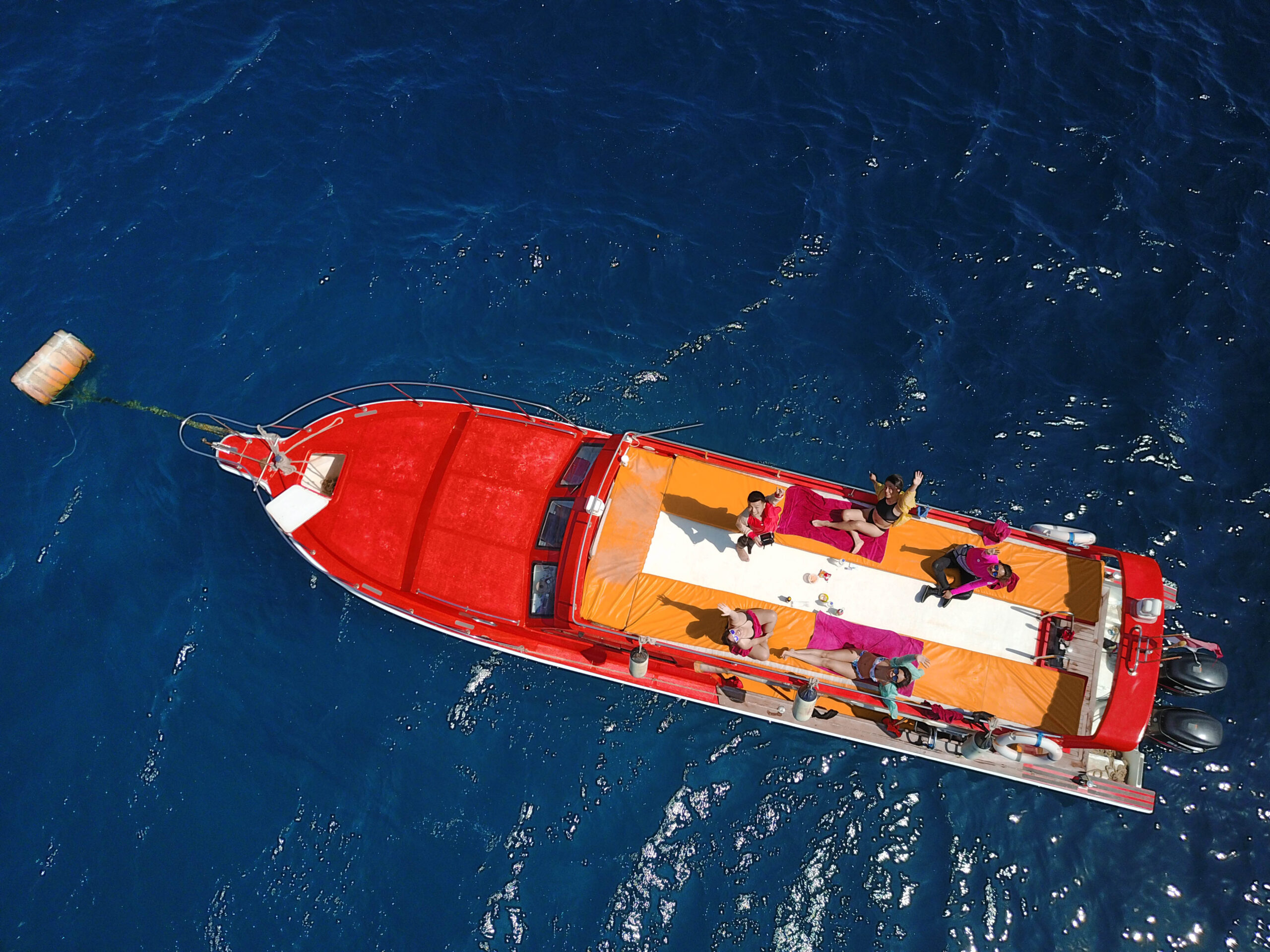

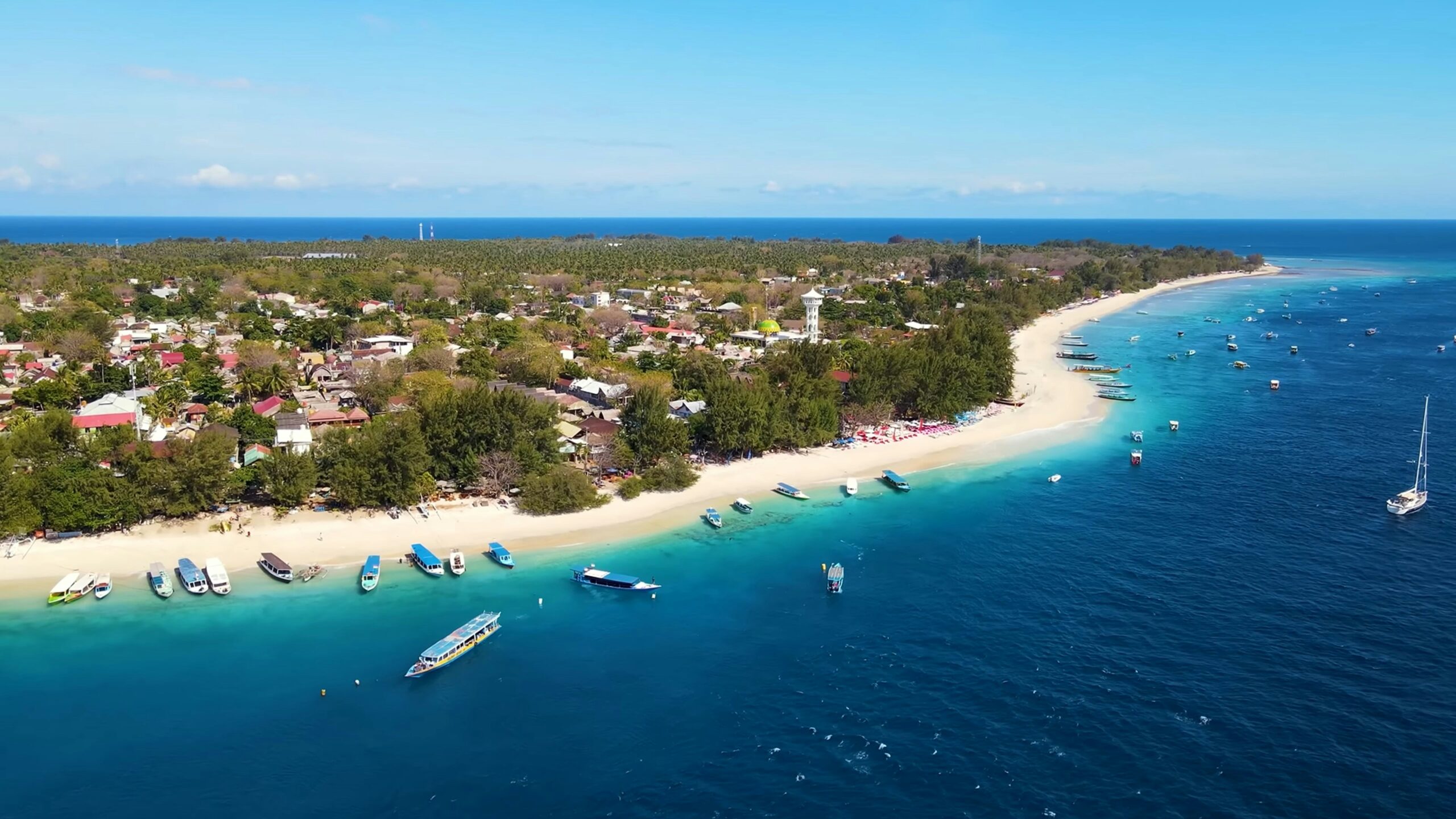
Traditional phinisi boats continue to be one of the most comfortable ways to explore Raja Ampat. The slower movement between islands creates space to enjoy the experience beyond the snorkeling itself. Nights are spent anchored near limestone formations, while mornings begin with soft light reaching the deck before the first activity starts.
Weather conditions can shift quickly throughout the day. Calm mornings occasionally turn into short tropical rain showers by late afternoon, especially in more open waters. Because of this, many experienced travelers prefer flexible itineraries with enough time to adapt naturally to sea conditions instead of trying to follow rigid schedules.
Near Pianemo, snorkeling sessions often begin beside limestone formations where the sea remains calmer during the morning hours. Smaller reef areas around these islands create quieter spaces away from busier routes later in the day.
Several travelers also prefer snorkeling during longer crossings between islands rather than staying only near major viewpoints. In certain areas, the boat anchors beside shallow reefs where travelers can enter the water directly from the deck before breakfast.
What makes Raja Ampat different is not only the snorkeling itself, but the atmosphere surrounding it. The silence before sunrise, the sound of water touching the wooden hull, and the long boat rides between islands shape the overall experience just as much as the underwater scenery.
Many travelers who enjoy slower island exploration later continue their sea journeys through destinations such as Komodo Island or explore broader custom routes through Travass.life Private Journey
Traditional phinisi boats remain one of the most comfortable ways to experience Raja Ampat. Instead of repeatedly packing and transferring between accommodations, travelers stay aboard while the boat moves slowly between islands throughout the journey.
The atmosphere aboard a phinisi naturally supports slower travel. Mornings begin with coffee and open sea views, afternoons are often spent snorkeling or resting on deck, and evenings end anchored near quiet limestone islands.
Unlike shorter speedboat trips, multi-day phinisi journeys allow travelers to experience the gradual rhythm of the sea. Hours become less structured, and the movement between islands begins to feel like part of the destination rather than simply transportation.
At night, deck lights reflect softly across the water while the sound of smaller waves moves against the wooden hull. For many travelers, these quieter moments remain more memorable than tightly scheduled activities.
Weather in Raja Ampat can shift quickly throughout the day. Calm mornings occasionally turn into short tropical rain showers by late afternoon, especially in more open sea areas.
Because of this, many experienced travelers prefer journeys with flexible island routes. Slower itineraries create more room to adapt naturally to tides, currents, and weather conditions without constantly rushing toward the next stop.
Dry bags, lightweight clothing, and sandals designed for wet conditions are often more useful than heavy travel gear. Internet access also remains limited in several areas, particularly during longer sea crossings between islands.
For many travelers, this slower and less connected atmosphere becomes one of the reasons Raja Ampat feels different from more crowded island destinations.
Official information regarding Raja Ampat’s conservation area can be found through
UNESCO Raja Ampat Geopark
Choose how to reach us
We typically reply within minutes
This session has ended due to inactivity.