
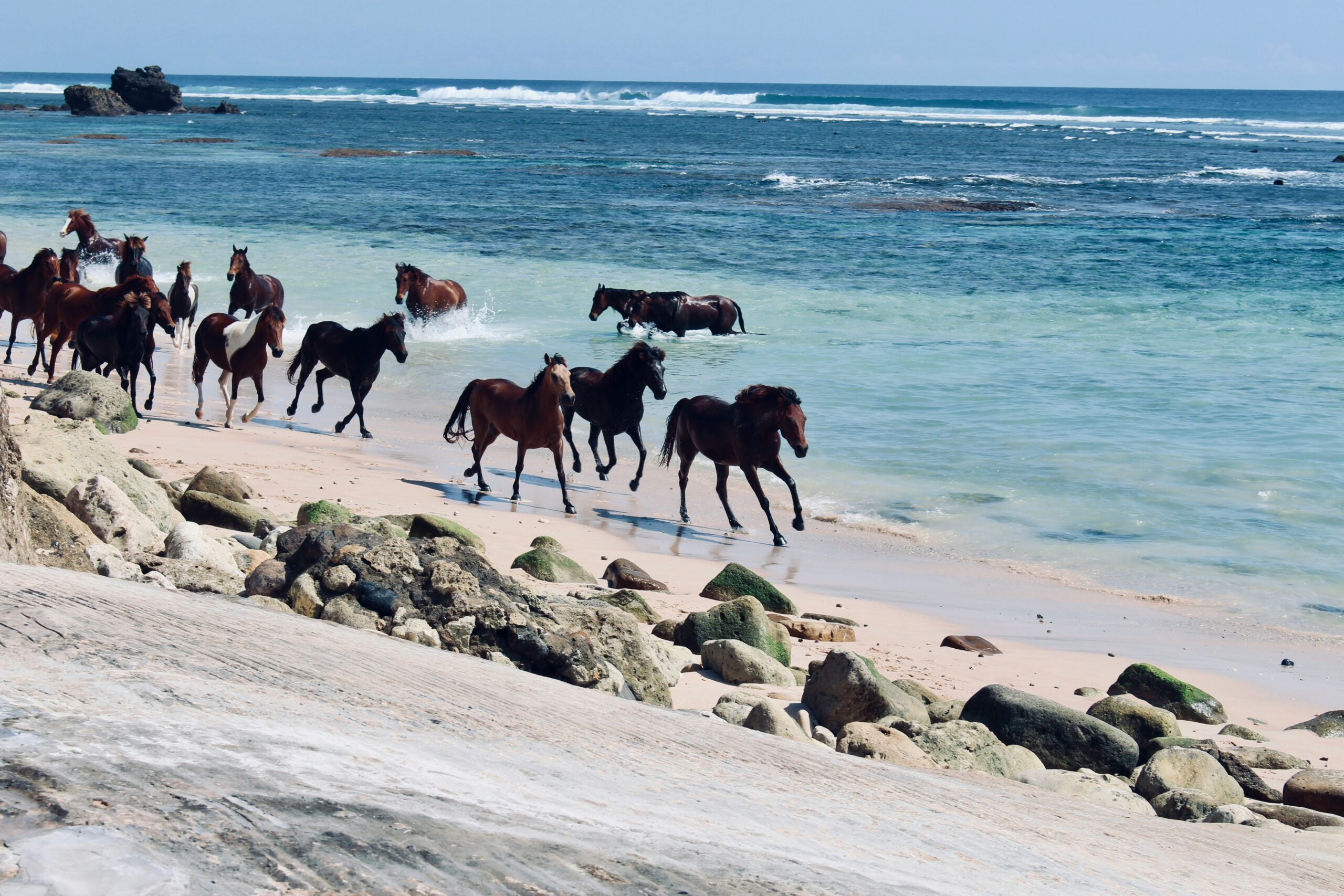
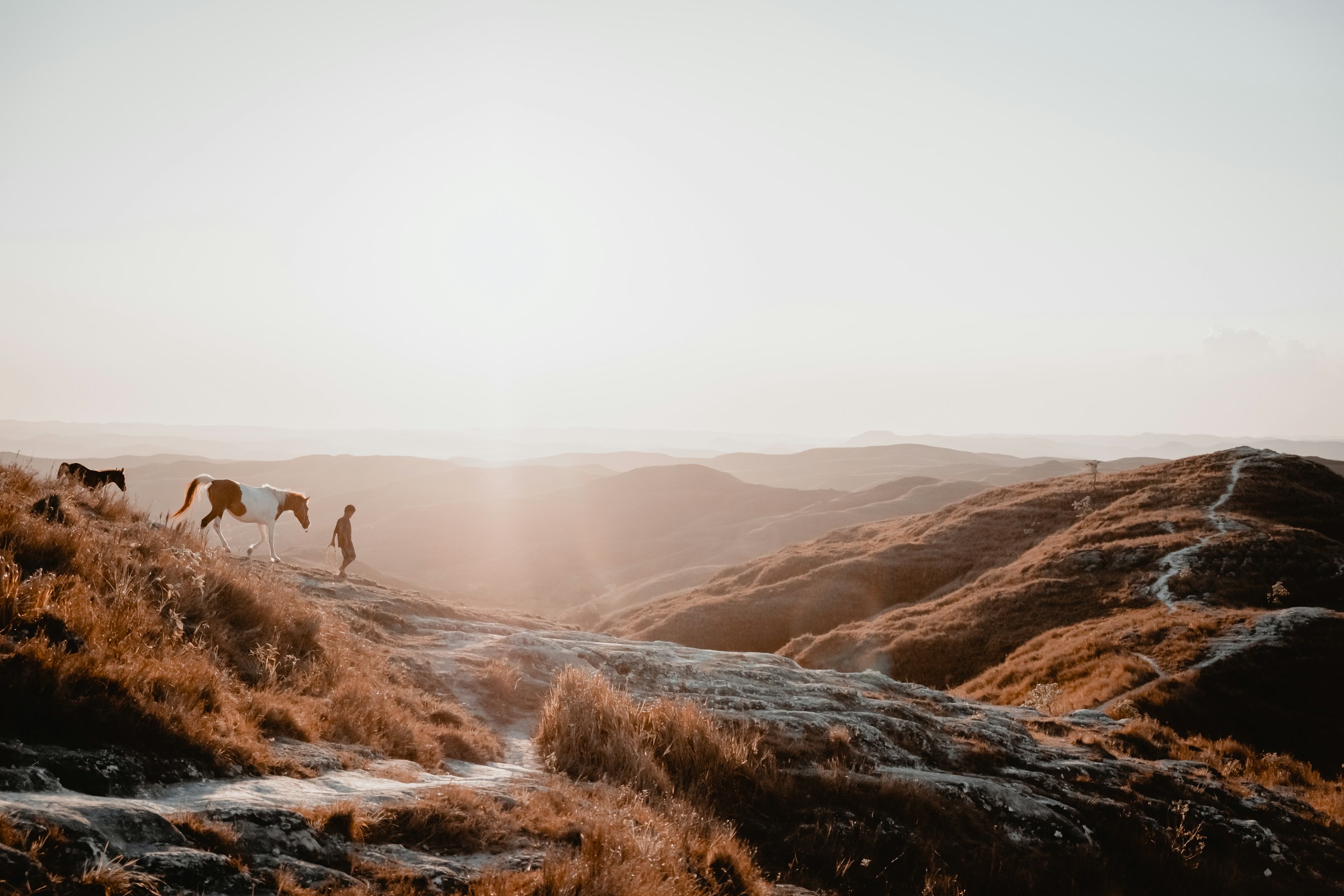
Rugged, soulful, and beautifully remote — Sumba is an island where tradition meets untouched landscapes. Located east of Bali, this part of Indonesia remains one of the country’s best-kept secrets. Golden savannas stretch toward the horizon, waterfalls carve through hidden valleys, and ancient villages preserve a way of life that feels timeless. Sumba is not just a destination; it’s an experience of authenticity and calm, where every corner reveals the spirit of the island.
The best things to do in Sumba blend nature, culture, and adventure. Begin your journey at Weekuri Lagoon, a natural saltwater pool surrounded by limestone cliffs, before exploring the powerful Lapopu and Tanggedu waterfalls. Spend a morning at Prai Ijing or Ratenggaro Village to witness traditional architecture and megalithic tombs, or watch the sunset over the vast Watu Maladong beach. For surfers, Sumba’s southwest coast offers some of Indonesia’s most pristine, uncrowded waves.
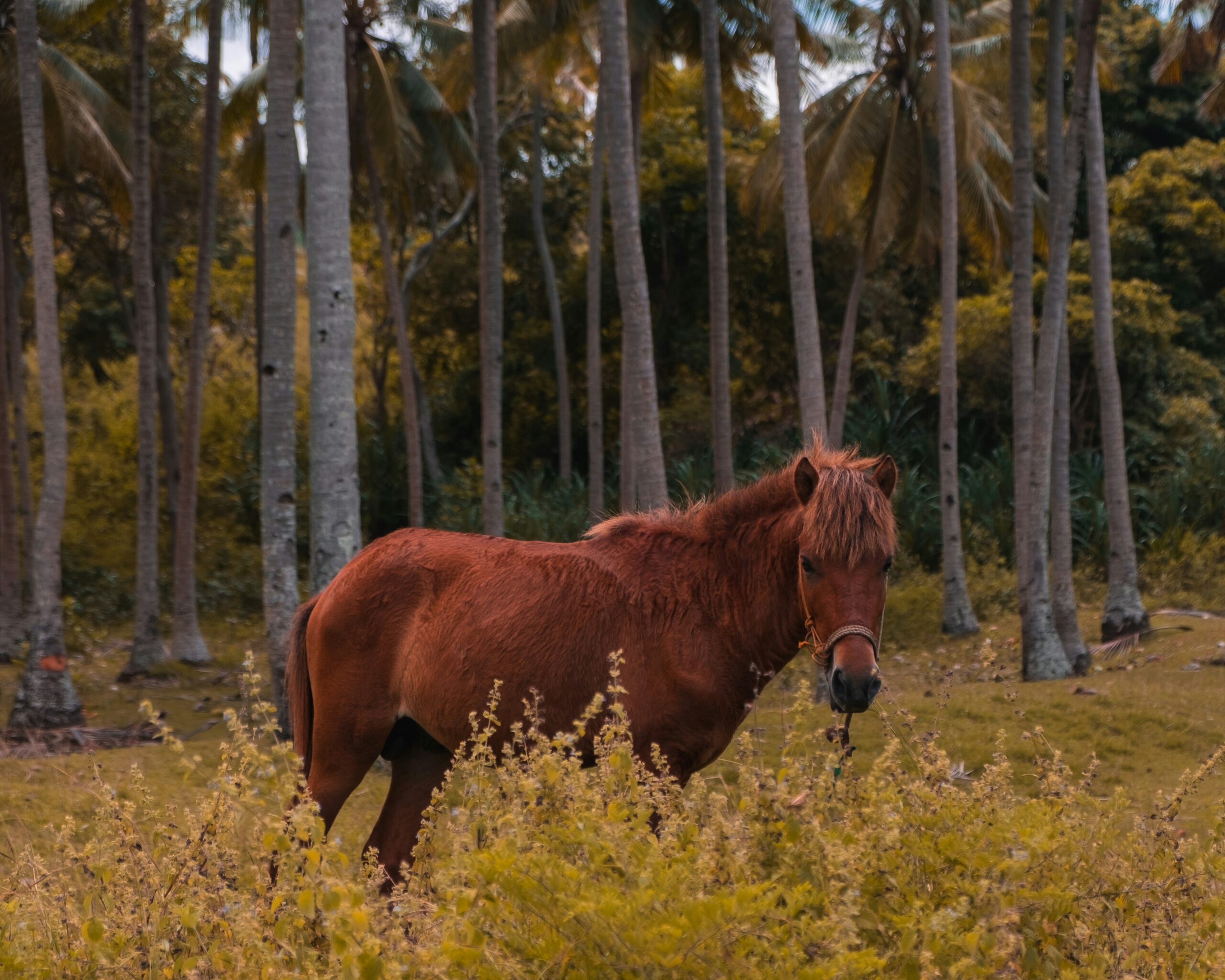
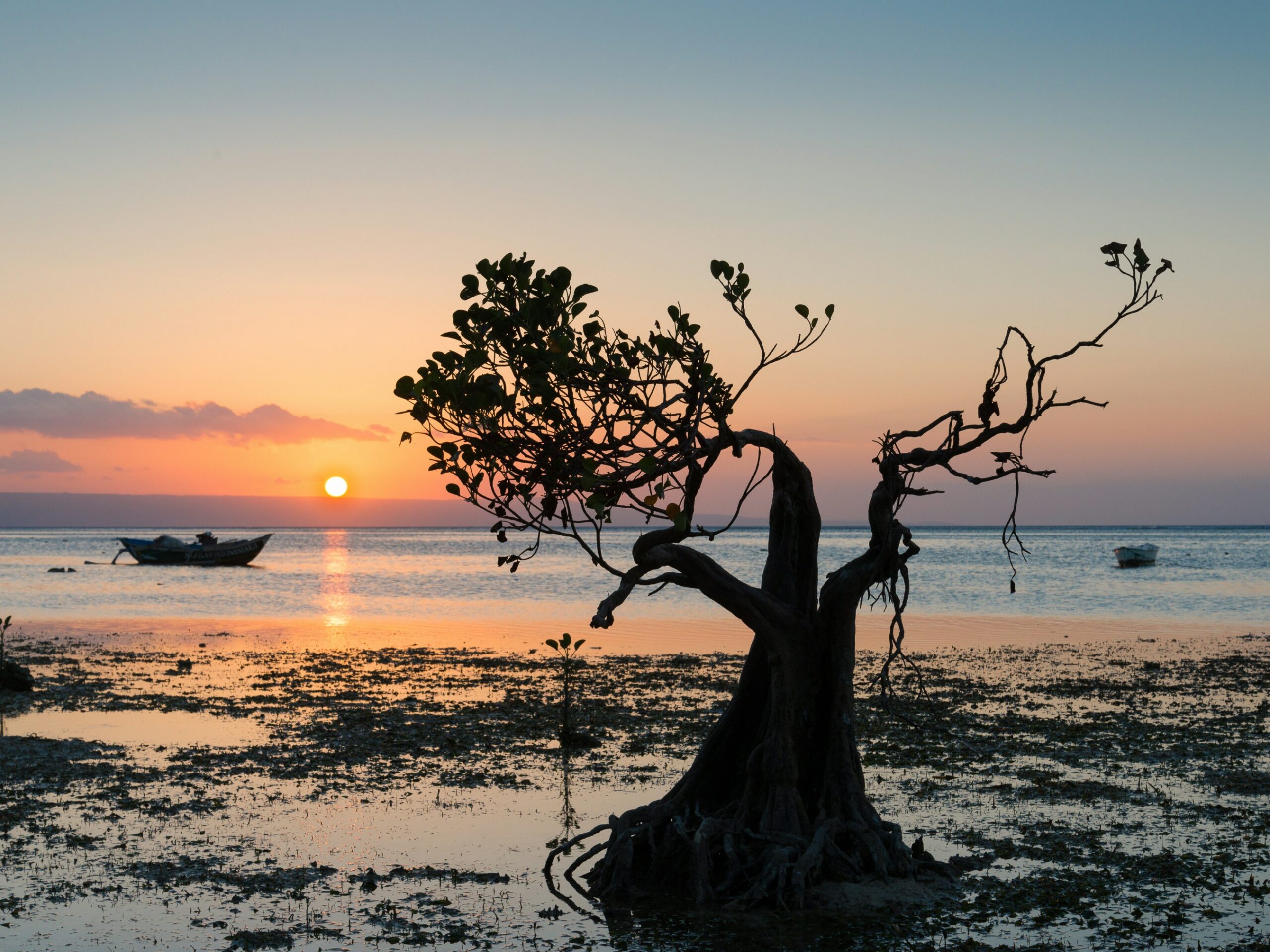
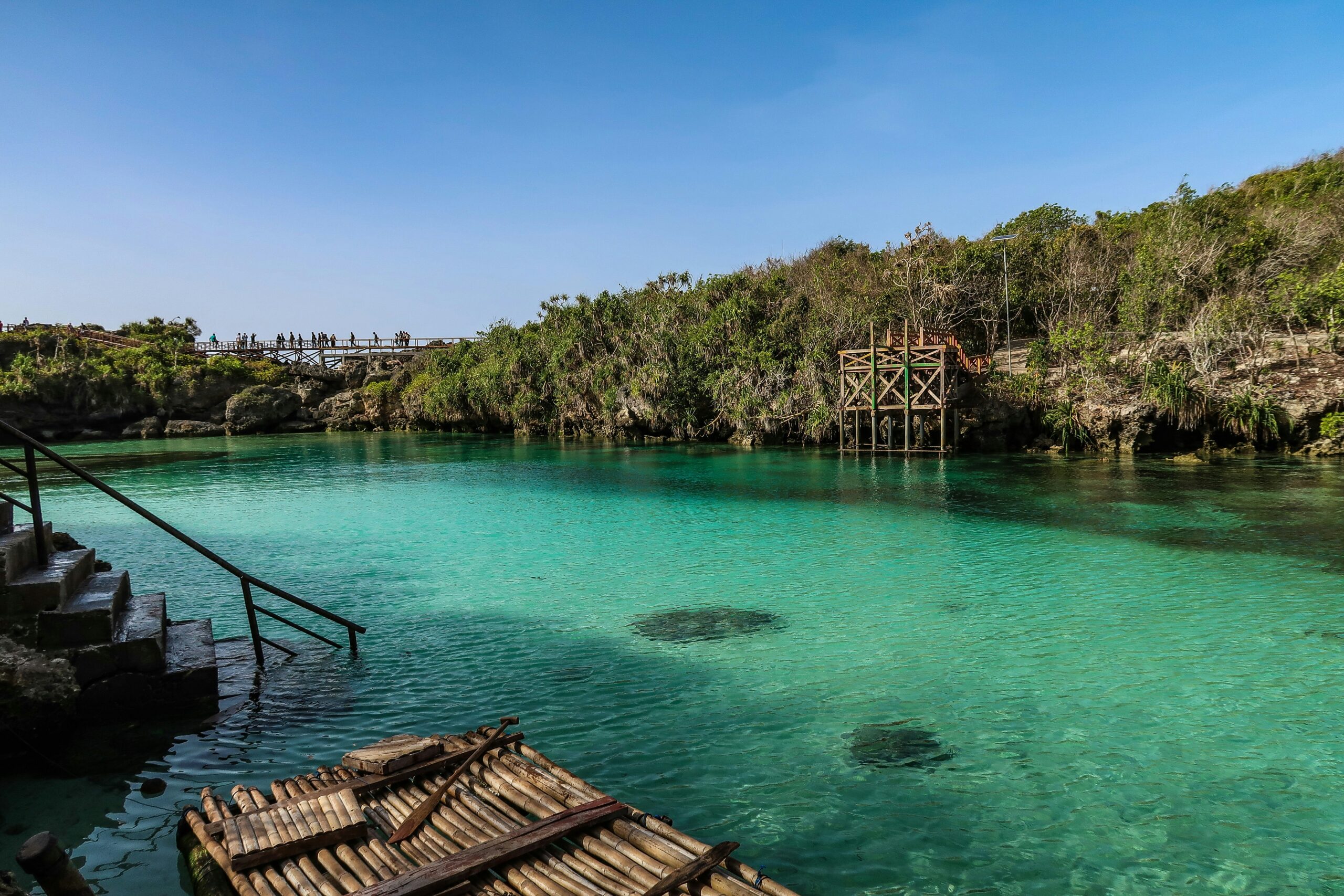
The best time to visit Sumba is during the dry season from April to November, when the weather is warm and the landscapes glow in golden tones. The wet season brings lush greenery and fewer visitors, ideal for those seeking solitude and photography opportunities. Each period offers a different mood — dry months for adventure and exploration, rainy months for stillness and renewal.
There are a few things to know before traveling to Sumba. The island is large and travel distances can be long, so plan your route in advance. While infrastructure has improved, parts of the island remain rural, adding to its charm. Cash is essential outside of major towns, and travelers are encouraged to respect local customs — especially when visiting traditional villages. Modesty and cultural sensitivity go a long way in connecting with the locals.
Traveling with kids in Sumba is entirely possible with the right rhythm. Families can enjoy calm days at Weekuri Lagoon, soft treks to waterfalls, and cultural visits that inspire curiosity. Many lodges and eco-resorts cater to families, providing safe spaces to explore while embracing nature. Avoid long road trips in one day and choose a few key regions to enjoy at a relaxed pace.
Where to stay in Sumba depends on the experience you seek. The island offers everything from community-based homestays to world-renowned eco-luxury resorts that overlook untouched coastlines. Nihiwatu (Nihi Sumba) set the standard for sustainable luxury here, but other smaller retreats offer equally meaningful stays with a focus on culture and environment. Whichever you choose, you’ll find yourself surrounded by nature’s rhythm — sunrise walks, ocean breezes, and star-filled nights.
Food and culture in Sumba are rooted in simplicity and tradition. Meals often feature locally grown ingredients — cassava, corn, coconut, and fresh seafood — prepared with a local touch. Sumbanese hospitality is warm and understated; sharing stories over a home-cooked meal or learning about the Pasola festival offers a deeper connection to the island’s soul.
Hidden gems are scattered across Sumba’s landscapes. The endless beaches of Mandorak, the rolling hills near Wairinding, and the cliffs above Bwanna Beach all showcase the island’s natural drama. Inland, ancient villages and grassland horizons reveal a quieter, more introspective side of Sumba — places where time slows and presence deepens.
To help plan your journey, Travass Life’s travel guides to Sumba offer curated routes, cultural insights, and practical travel details. Whether you’re seeking adventure, reflection, or connection, Sumba invites you to experience Indonesia beyond the ordinary — wild, genuine, and unforgettable.
Choose how to reach us
We typically reply within minutes
This session has ended due to inactivity.