
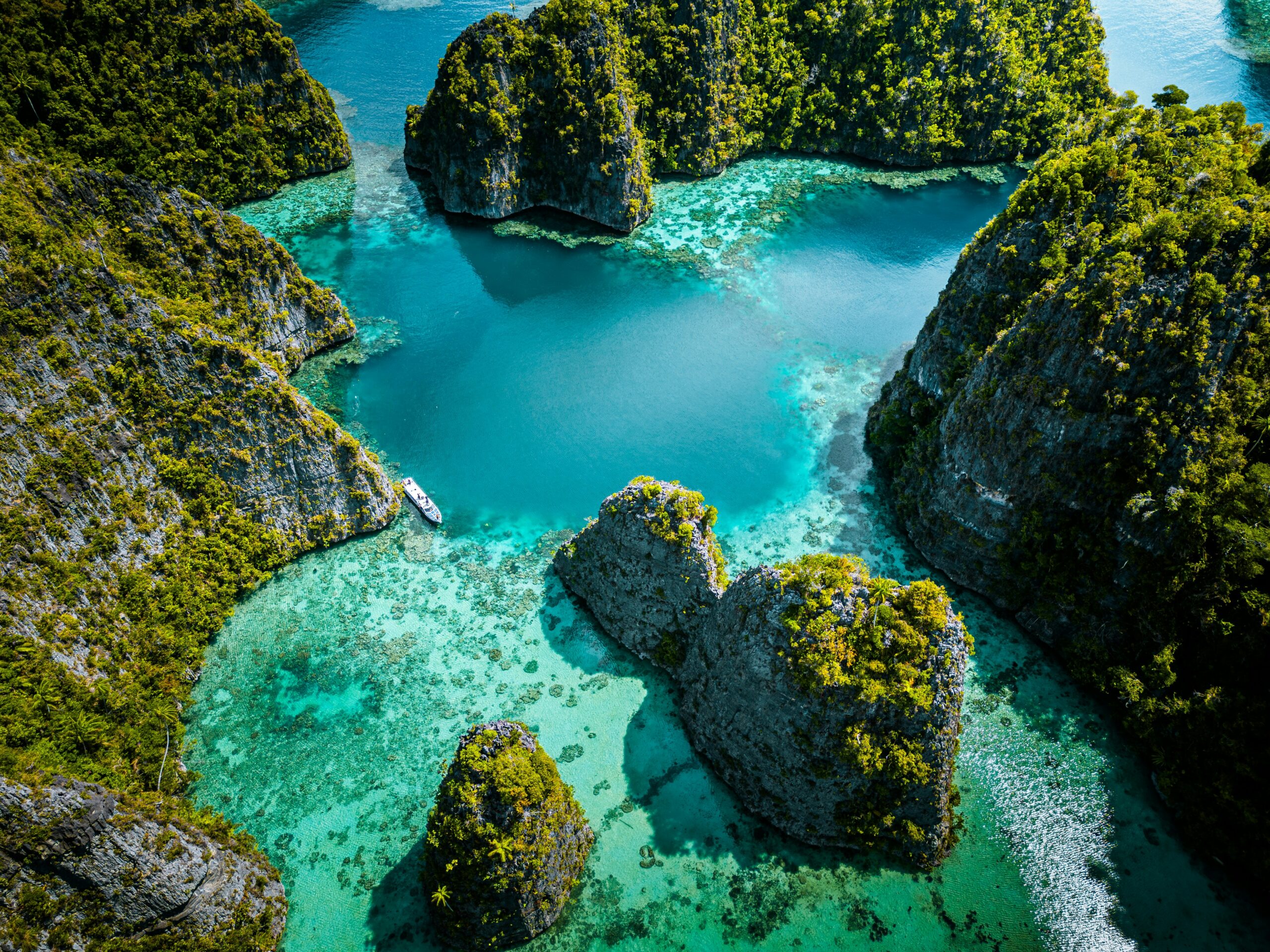
Far in Indonesia’s West Papua lies Raja Ampat — a pristine paradise of islands scattered like jewels across the sea. Revered as one of the most biodiverse marine regions on Earth, Raja Ampat offers a sense of remoteness and wonder rarely found elsewhere. From its emerald islets to its vibrant reefs, it’s a destination that feels both untamed and deeply spiritual.
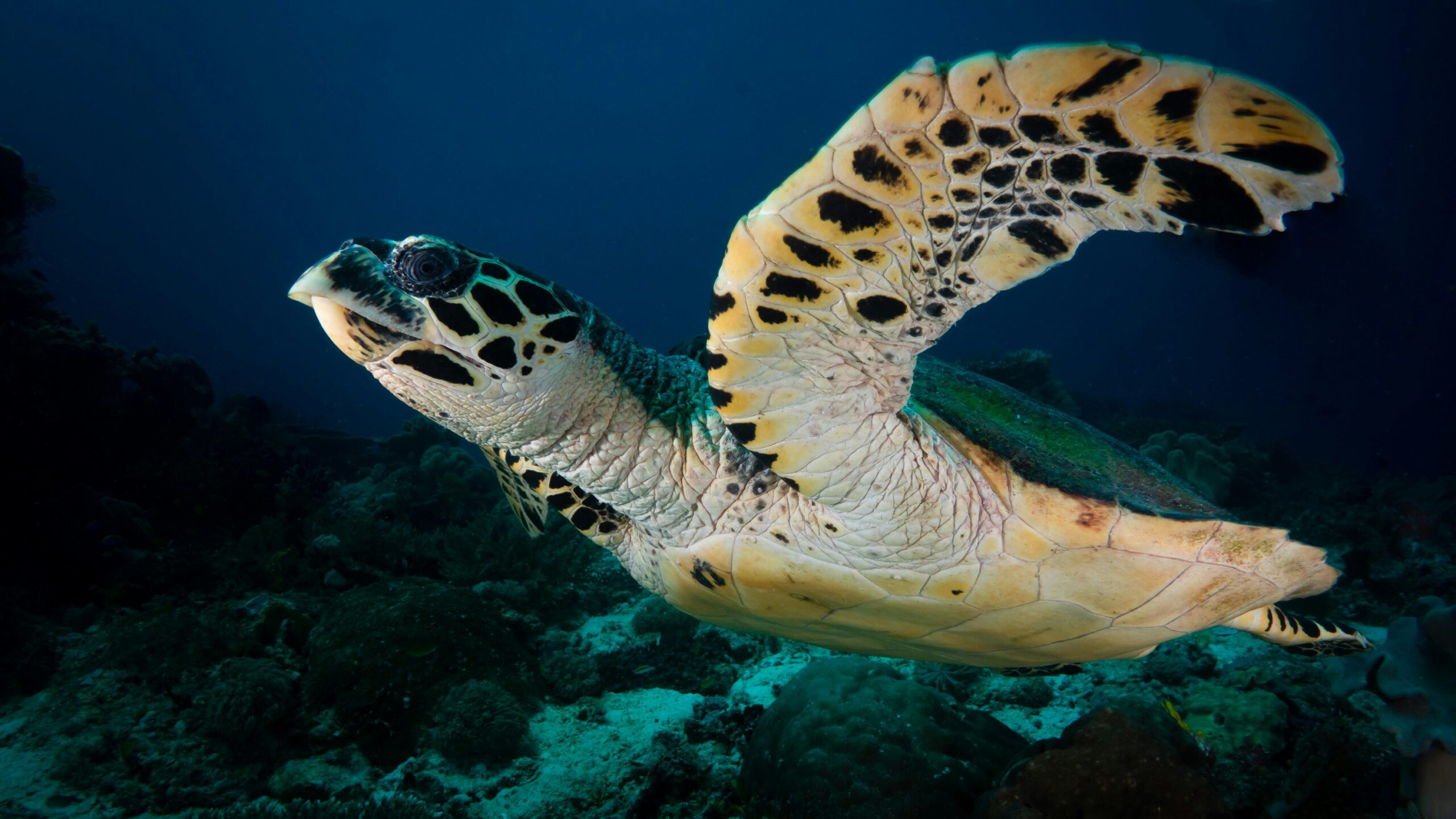
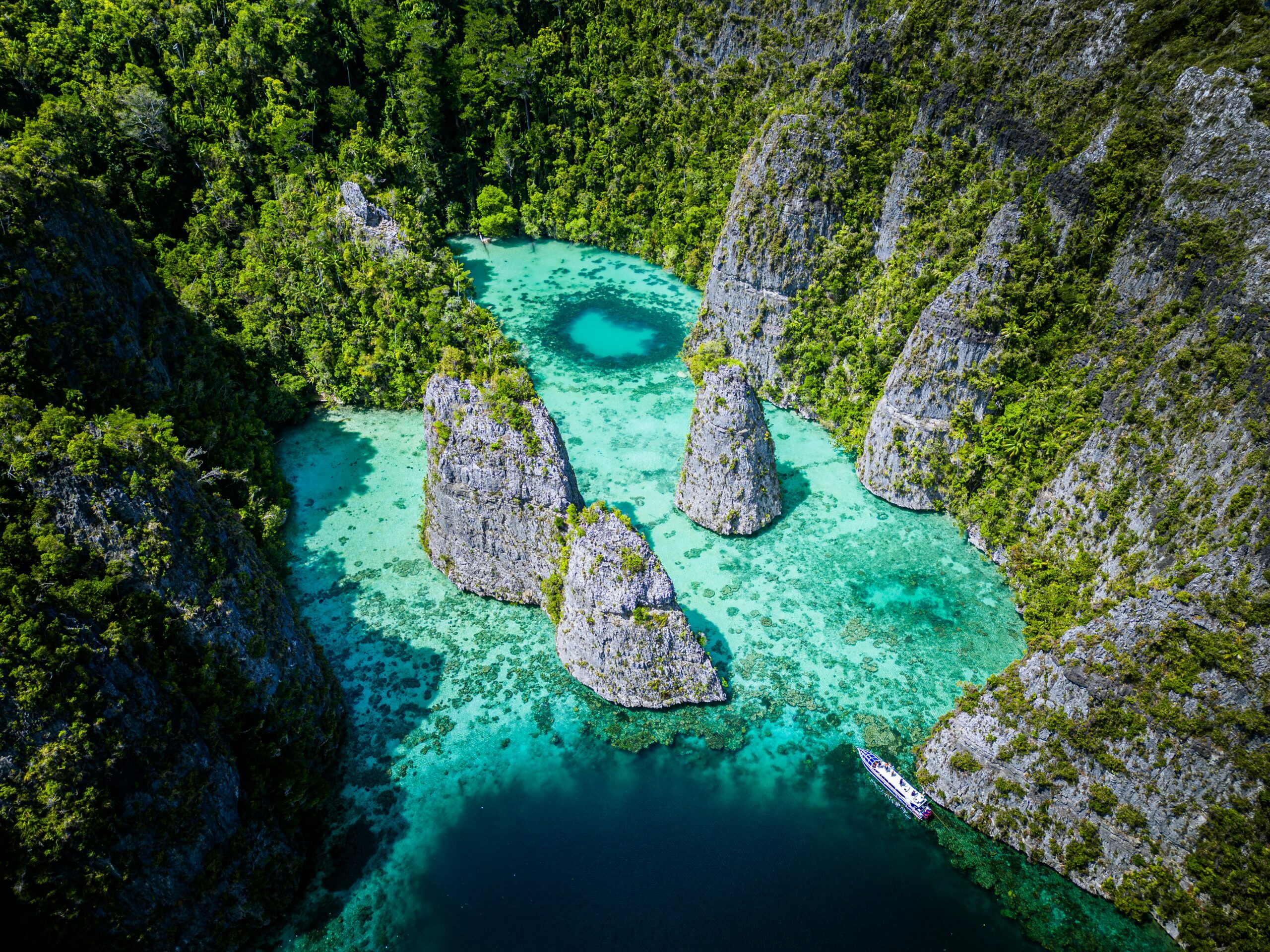
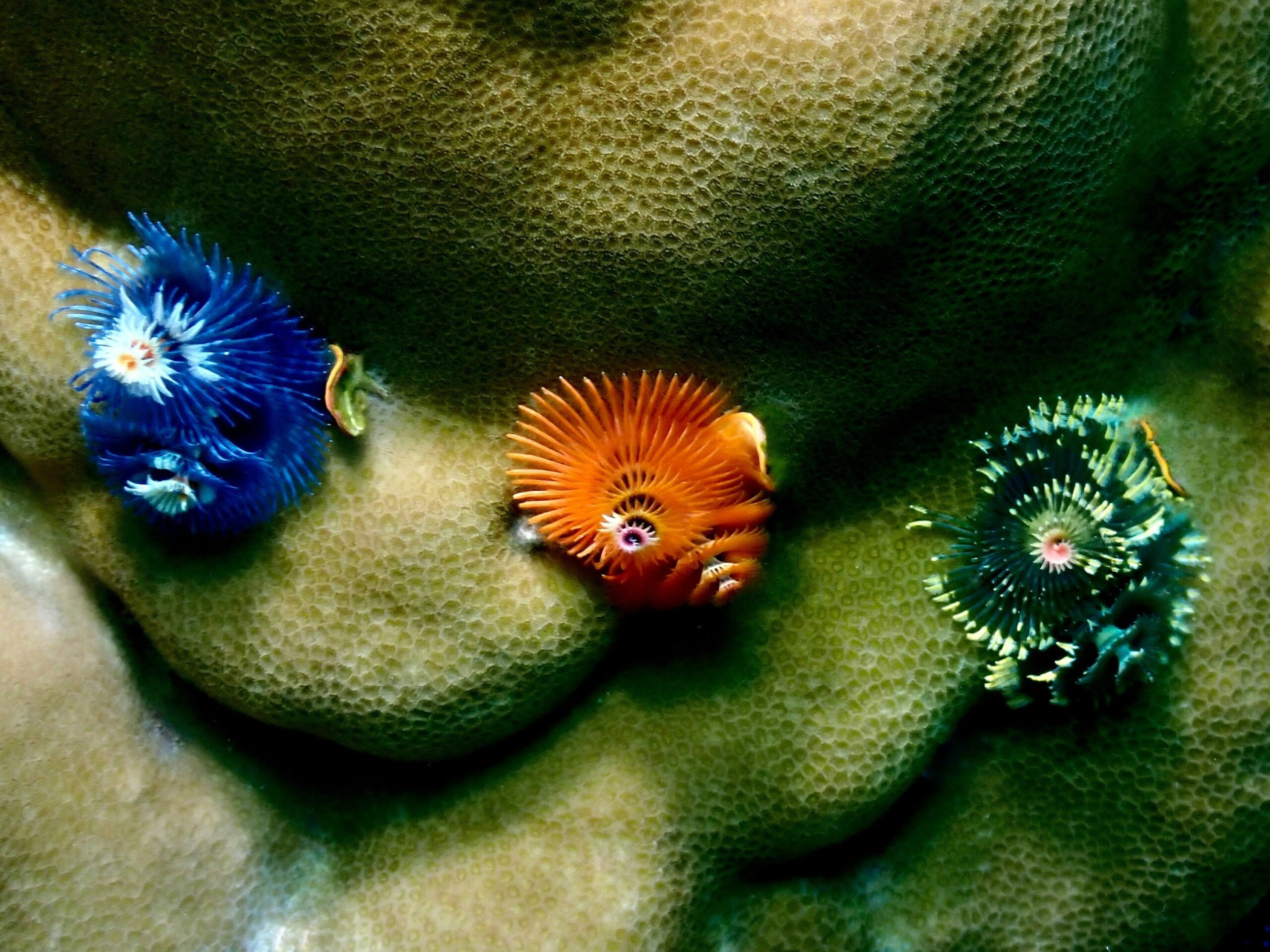
The best things to do in Raja Ampat center around the ocean. Diving and snorkeling here are world-class, with sites like Cape Kri, Manta Sandy, and Blue Magic offering encounters with manta rays, reef sharks, and schools of colorful fish. Above water, climb to the viewpoint at Piaynemo or Wayag for panoramic views of the iconic limestone karsts — scenes that have come to define the magic of Raja Ampat. Kayaking through mangroves, birdwatching in Waigeo, or visiting local villages all offer meaningful ways to experience this remarkable region.

The best time to visit Raja Ampat is between October and April, when seas are calm and underwater visibility peaks. These months are ideal for diving and island-hopping. While the region can be visited year-round, strong winds and swells from June to September can make boat travel more challenging. For a quieter, more serene experience, aim for the shoulder months of November or March.
There are a few important things to know before you go. Raja Ampat is remote — reaching it involves flights to Sorong followed by a ferry or speedboat to the islands. Wi-Fi is limited, cash is essential, and sustainability is a way of life here. Visitors are required to purchase a marine park entry tag, which directly supports local conservation efforts. Respect for local communities and the environment is expected — this is a place to travel slowly and mindfully.
Traveling with kids in Raja Ampat can be a rewarding adventure with the right planning. Many eco-resorts cater to families, offering calm snorkeling lagoons and educational nature walks. Boat transfers and long travel times can be tiring for younger children, so it’s best to stay several nights at one base rather than moving frequently between islands. The calm, shallow reefs near Arborek and Kri Island are perfect for safe family snorkeling experiences.
Where to stay in Raja Ampat ranges from rustic overwater bungalows built by local communities to luxury eco-lodges designed for sustainable comfort. Most accommodations are set amid nature, offering direct access to the sea and a deep connection to the surroundings. Staying in locally owned homestays not only supports the community but also offers a glimpse into Papuan hospitality and daily life.
Food and culture in Raja Ampat reflect the simplicity of island living. Meals are often centered around freshly caught fish, rice, and tropical fruit. Shared dinners at lodges and homestays create a sense of togetherness among travelers and hosts alike. Visitors are encouraged to learn about local customs — from traditional songs to handcrafted Papuan carvings — as a way of honoring the region’s heritage.
Hidden gems in Raja Ampat are found in its quieter corners — the untouched reefs around Batanta, the caves of Tomolol, or the peaceful villages of Misool. These places showcase the depth of the archipelago’s beauty beyond its famous dive sites. Each island has its own rhythm, offering moments of solitude and discovery that define true island exploration.
For those seeking a deeper experience, Travass Life’s travel guides to Raja Ampat provide curated itineraries, essential travel logistics, and expert insights to help you explore responsibly. Whether you’re diving beneath the surface or watching the sun set behind distant karsts, Raja Ampat is more than a destination — it’s a reminder of how untouched beauty still exists in our world.
Choose how to reach us
We typically reply within minutes
This session has ended due to inactivity.