Kain Tenun: 7 Fascinating Stories Behind Indonesia's Timeless Heritage
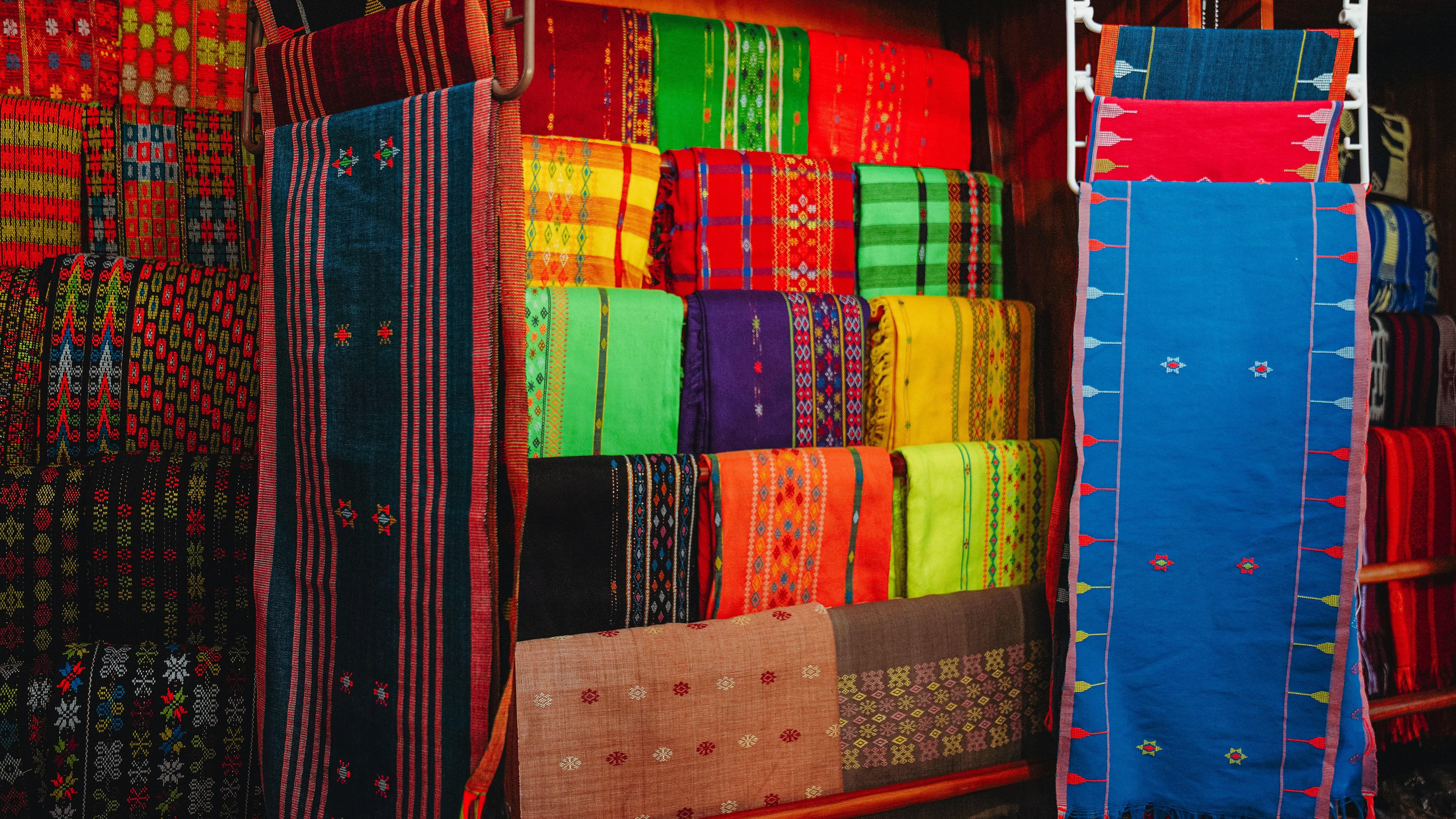
Every thread woven into a piece of Kain Tenun carries a story. Across Indonesia, this traditional textile has become more than just fabric—it is a symbol of identity, heritage, and cultural pride passed down through generations.
For travelers exploring destinations such as Flores, Sumba, Lombok, and Timor, discovering Kain Tenun offers a deeper understanding of local traditions and the communities that continue to preserve them. Behind every motif and color lies a meaningful story shaped by history, nature, and ancestral wisdom.
What Is Kain Tenun?
Kain Tenun is a traditional handwoven textile created using techniques that have been preserved for centuries. Unlike mass-produced fabrics, every piece is carefully woven by artisans who dedicate significant time and skill to the process.
The beauty of this traditional textile lies not only in its intricate patterns but also in the stories embedded within each design. Many motifs represent elements of nature, local beliefs, family lineage, or important life events.
Today, this woven heritage remains an important cultural symbol in many Indonesian communities and continues to be celebrated across the archipelago.
The History Behind Kain Tenun
The story of Kain Tenun stretches back hundreds of years and is deeply connected to the cultural development of communities throughout Indonesia.
Historically, weaving was an essential skill passed from one generation to the next. In many regions, women learned weaving techniques from their mothers and grandmothers, ensuring that traditional knowledge remained alive within the community.
As trade routes expanded across the archipelago, different weaving styles evolved. Each region developed unique motifs, colors, and techniques influenced by local traditions, geography, and beliefs.
Today, Indonesia’s weaving heritage is recognized as one of the richest textile traditions in Southeast Asia.
How Kain Tenun Is Made
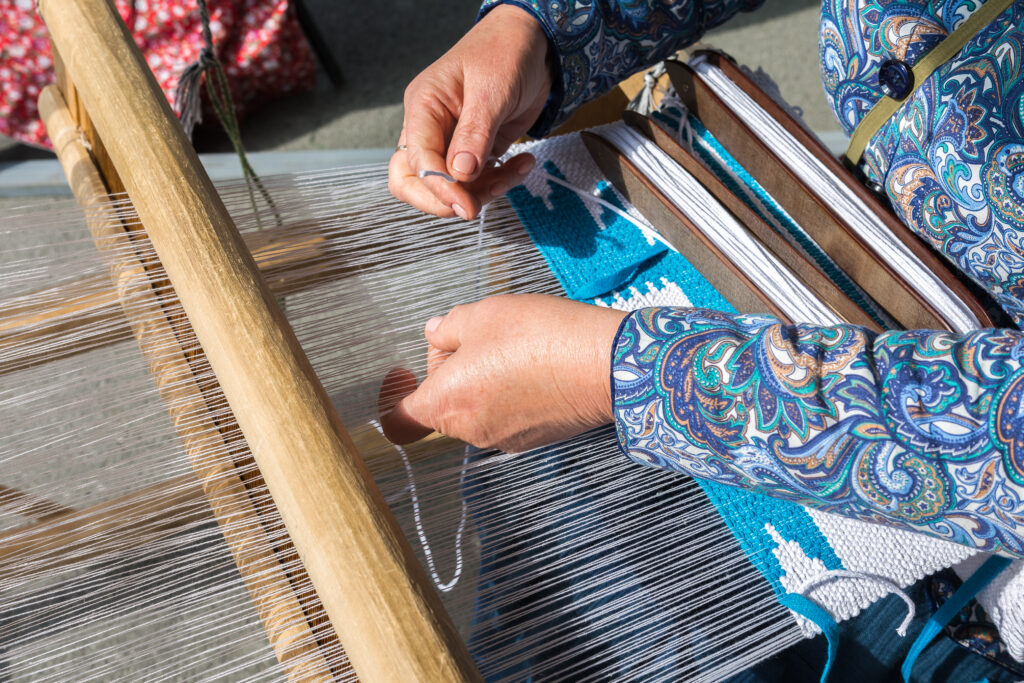
One of the most fascinating aspects of Kain Tenun is the craftsmanship involved in its creation.
The process generally includes:
Preparing the Threads
Artisans carefully prepare cotton or natural fibers before weaving begins.
Natural Dyeing
Traditional dyes are often produced using plants, roots, bark, leaves, and other natural materials.
Designing the Motifs
Patterns are planned according to local customs and cultural meanings.
Hand Weaving
Using traditional looms, artisans weave the fabric thread by thread, a process that can take weeks or even months depending on the complexity of the design.
The patience and dedication required make every handmade textile unique and valuable.
The Meaning of Traditional Motifs
Beyond their beauty, many motifs found in Kain Tenun carry symbolic meanings that reflect local beliefs and traditions.
Common themes include:
- Fertility and prosperity
- Nature and wildlife
- Ancestral stories
- Protection and spirituality
- Community values
In some regions, specific designs are reserved for weddings, ceremonies, or important cultural celebrations.
These symbols transform the fabric into a visual language that connects the past with the present.
Kain Tenun in Flores and Sumba
Travelers visiting Flores and Sumba will quickly notice the importance of Kain Tenun in everyday life.
In Flores, weaving traditions often reflect local legends, landscapes, and cultural identities. Villages throughout the island continue to preserve techniques that have survived for generations.
In Sumba, these textiles are closely linked to traditional ceremonies and social status. The island is particularly famous for its intricate ikat fabrics, which feature highly detailed patterns and symbolic imagery.
For many visitors, purchasing a locally made textile becomes a meaningful way to support artisans while bringing home a piece of authentic cultural heritage.
Why Kain Tenun Matters Today
Despite modernization, Kain Tenun continues to play an important role in preserving Indonesia’s cultural diversity.
Many weaving communities rely on textile production as a source of income, helping sustain local economies and traditional livelihoods.
At the same time, growing interest in sustainable fashion has increased appreciation for handmade products created using traditional techniques.
By supporting local artisans, travelers contribute to the preservation of cultural knowledge that might otherwise be lost over time.
Where Travelers Can Experience Local Weaving
One of the best ways to understand Kain Tenun is by visiting weaving communities directly.
Travelers can explore traditional villages in Flores, Sumba, Lombok, and Timor to observe weaving demonstrations and learn about the stories behind each textile.
Before planning your cultural journey, explore more destination guides and travel inspiration on Travas to discover authentic experiences across Indonesia.
For official information about Indonesia’s cultural heritage, visit Indonesia Travel.
You may also enjoy reading our guides about Flores, Sumba, Komodo Island, and other destinations across Eastern Indonesia.
Our Travelers Have Experienced It
Here are sailing packages from Travass.life that give you structure while allowing a better travel rhythm: