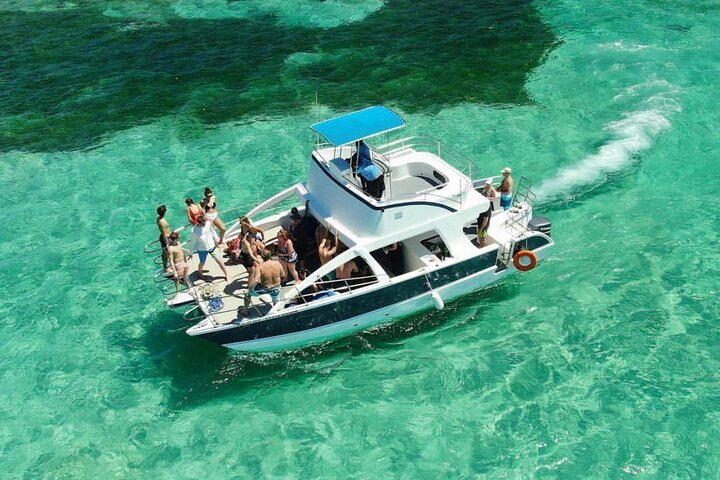
The boat leaves the dock at Labuan Bajo before sunrise. The air is cold and still carries the smell of salt and engine oil. Somewhere in the dark ahead, the silhouette of Padar Island sits against a sky that has not yet decided what color it wants to be. Remote island travel in Indonesia starts well before the first photo opportunity. It starts in the logistics, the early mornings, the gear checks, and the quiet hours on the water between one place and the next. This is a guide for travelers who want to know what that actually looks like and how to approach remote island travel in Indonesia with realistic expectations.
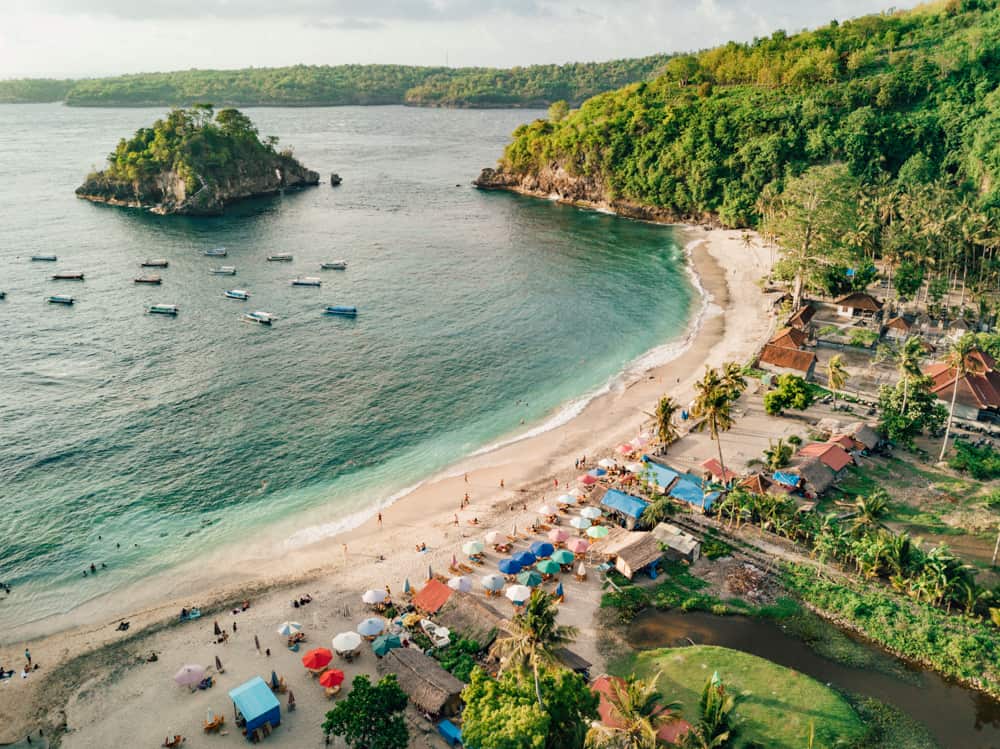
The archipelago stretches across more than 17,000 islands. The ones worth going to for their natural character, places like the Komodo Islands, Raja Ampat, Nusa Penida, Sumba, and the waters around Flores, share a common trait: they are not convenient to reach, and they do not run on the same infrastructure clock as the rest of Southeast Asia.
Getting to Raja Ampat, for example, involves a flight to Sorong followed by a ferry or speedboat transfer to Waisai, then another boat to wherever you are actually going. That sequence works smoothly most of the time, but it has a single point of failure at every link. A delayed domestic flight does not just cost you a few hours. It can cost you a full day of your trip.
The Komodo National Park presents similar friction. The islands sit in a channel where the tides run hard between the Flores Sea and the Sape Strait. Boat departures depend on conditions. Park entrance fees must be paid in cash at the gate. Connectivity disappears once you leave Labuan Bajo harbor. These are not inconveniences buried in the fine print. They are the texture of the trip.
A significant portion of remote island travel in Indonesia happens on the water. Multi-night sailing trips are the most effective format for covering the Komodo Islands, and liveaboard options are common in Raja Ampat.
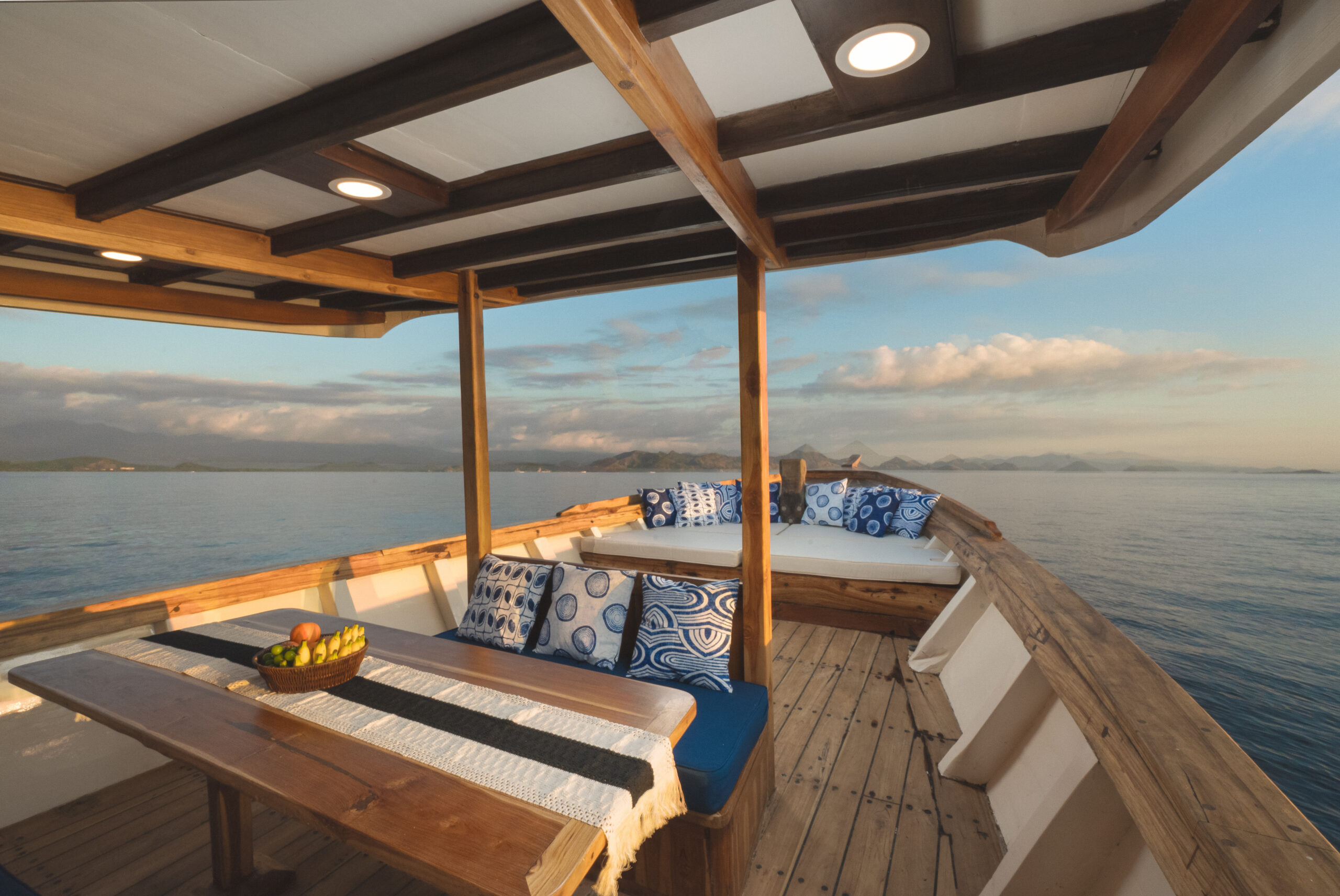
Sleeping on a boat in open water is not like sleeping in a hotel. The motion is constant, particularly on crossings between islands. Most travelers adapt within a day. Some do not.
If you have any history with motion sensitivity, carry medication and take it before you need it, not after. The midday heat on deck between 11 a.m. and 3 p.m. is direct and without shelter at most snorkel and dive entry points. A rash guard, mineral sunscreen, and a hat with an actual brim are functional items, not optional ones.
Remote island travel in Indonesia has a specific image problem. Every photograph from these places looks like the final, settled version of the destination.
The social media version of Kelingking Beach on Nusa Penida does not show the steep descent on crumbling steps in direct heat. The drone shot of Padar’s ridgeline does not show the 40-minute climb before it. The manta ray photo at Manta Point does not show the days when the current is flat and the animals are not there.
This is worth naming directly because it changes how you calibrate your expectations. These places are genuinely worth the effort. They are also genuinely effortful.
Travelers who arrive having seen only the highlight version often spend part of their trip measuring what they imagined against what is actually in front of them. Travelers who arrive knowing the full picture, including the physical demands of remote island travel in Indonesia, tend to find more of it satisfying.
Remote island travel in Indonesia goes sideways in predictable ways. Weather closes a site. A boat runs late. The ATM in the only town within an hour is out of cash on a Friday afternoon. The entrance fee structure for a national park has changed since the booking was made.
None of these are rare events. They are the normal background noise of traveling in parts of the country where infrastructure is still developing and where nature does not take orders.
The practical response is straightforward: arrive at your departure point a full day early so a delayed flight does not collapse the whole trip. Carry more cash than you think you need. Hold the itinerary loosely. A guide who redirects the route because three day-trip boats have already anchored at your scheduled stop is doing you a service, not failing you.
The difficulty is also doing something useful. The same infrastructure gaps that make remote island travel in Indonesia occasionally frustrating are also what keep these places from being overrun. Raja Ampat’s marine environment supports over 75 percent of all known coral species partly because reaching it has always required real effort. The Komodo dragons on Rinca walk through dry grass in the early morning before the heat builds, indifferent to your presence in a way that is more unnerving than hostility would be. That experience is available because the park is difficult to reach and serious about its access protocols. The difficulty and the experience are not separate things.
Travelers who come back most satisfied from remote island travel in Indonesia share a few consistent habits. Understanding what remote island travel in Indonesia actually requires is the first step toward being ready for it.
They research the boat before they research the itinerary. The vessel determines the pace, the flexibility, and the quality of time between stops more than any printed schedule does. They build buffer time at both ends of the trip. They carry cash in denominations that work at small warungs, not just large hotels. They download offline maps and reading material before leaving reliable signal.
They also do not treat the itinerary as a contract. The best guides in these areas are the ones who adapt based on conditions and on what their group is actually responding to. Giving them room to do that is part of how a good trip gets made.
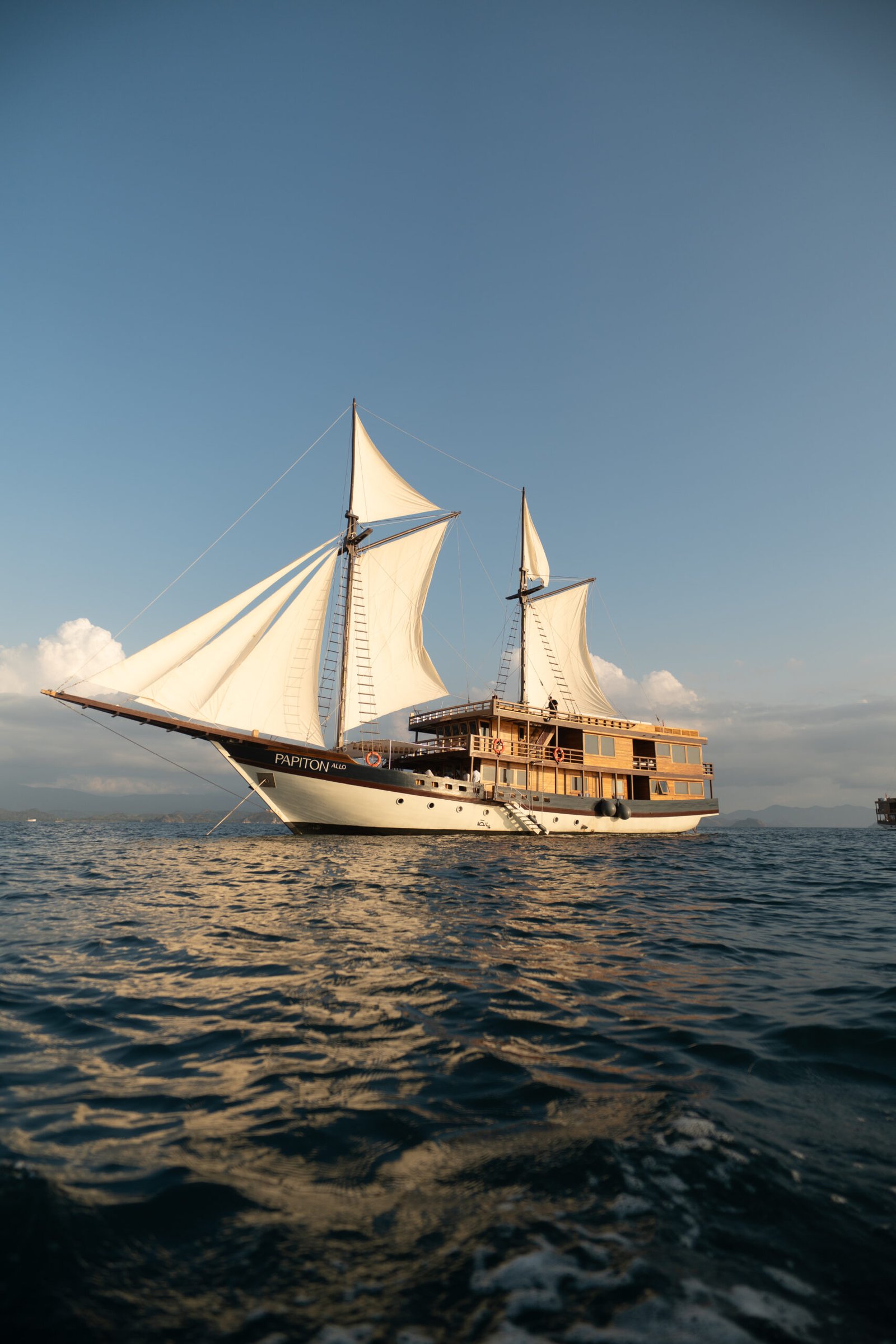
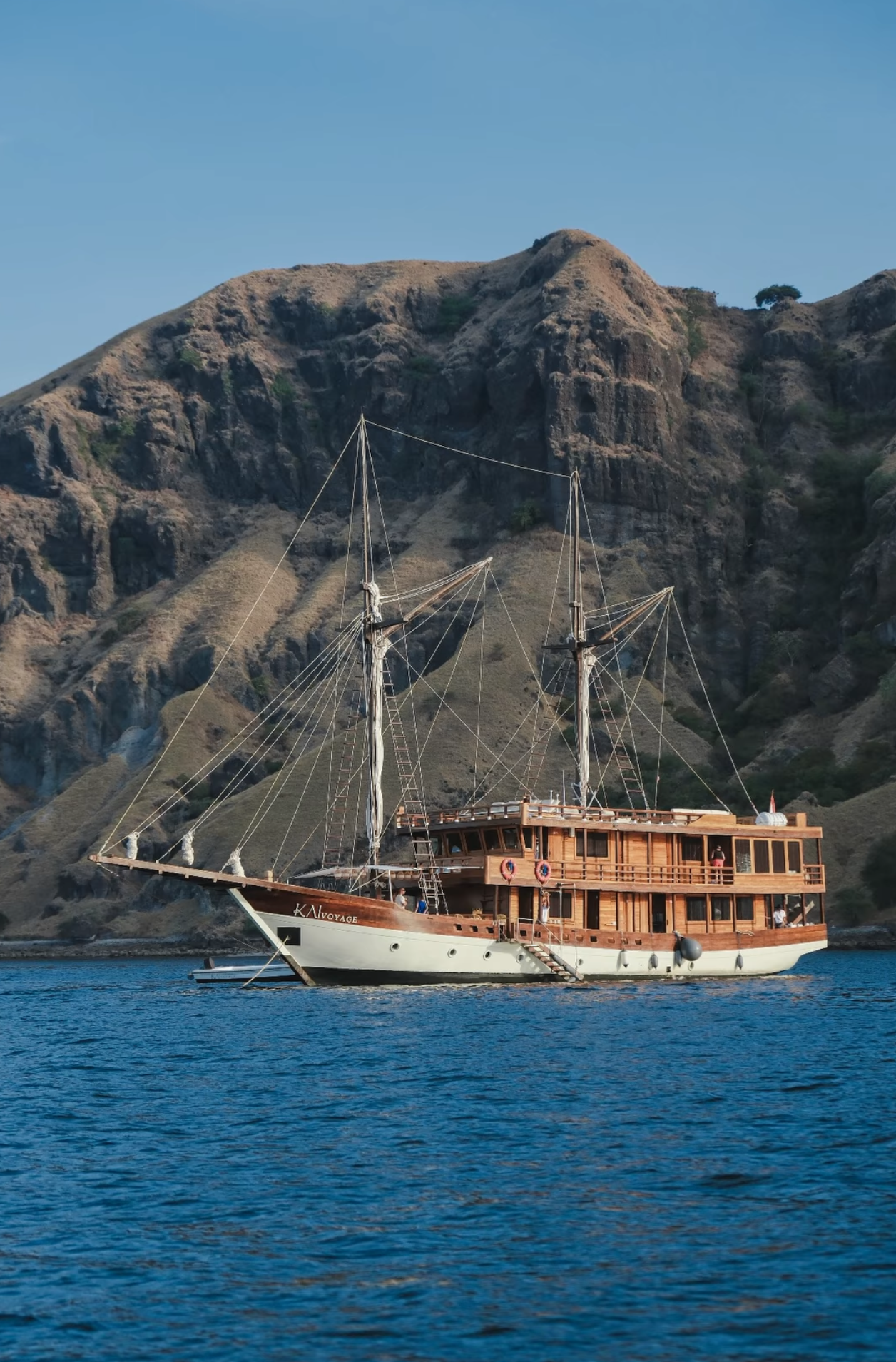
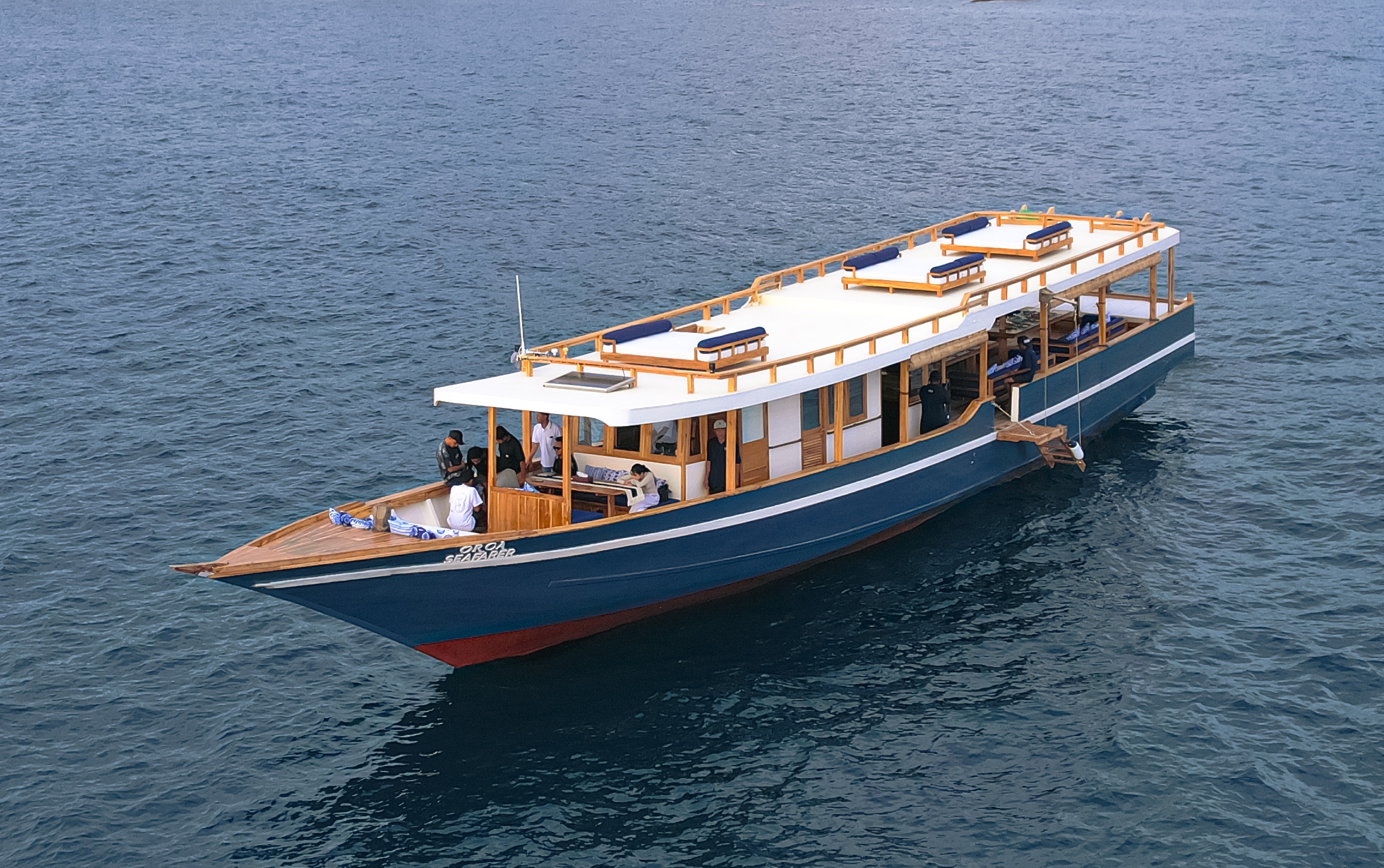
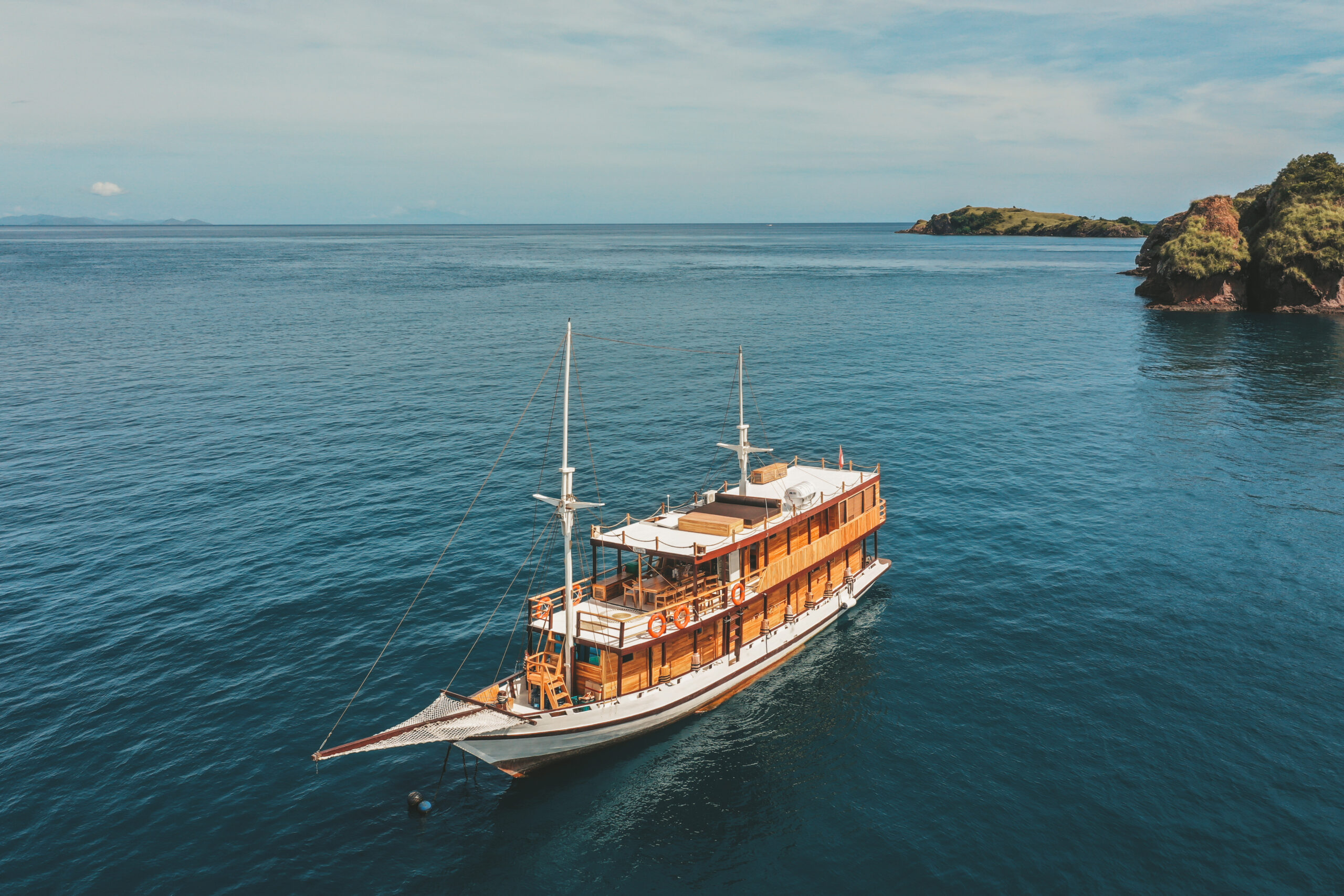
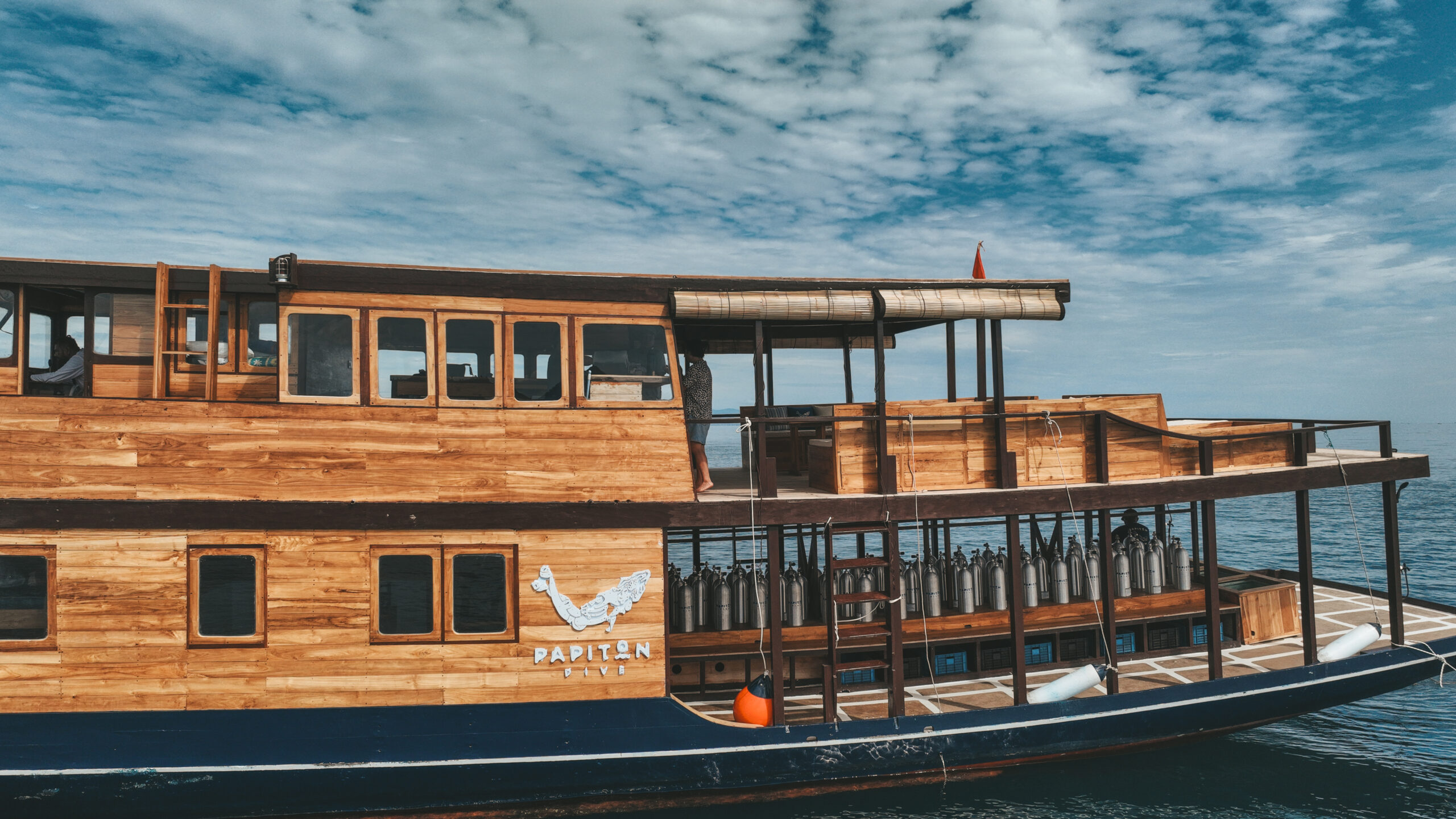
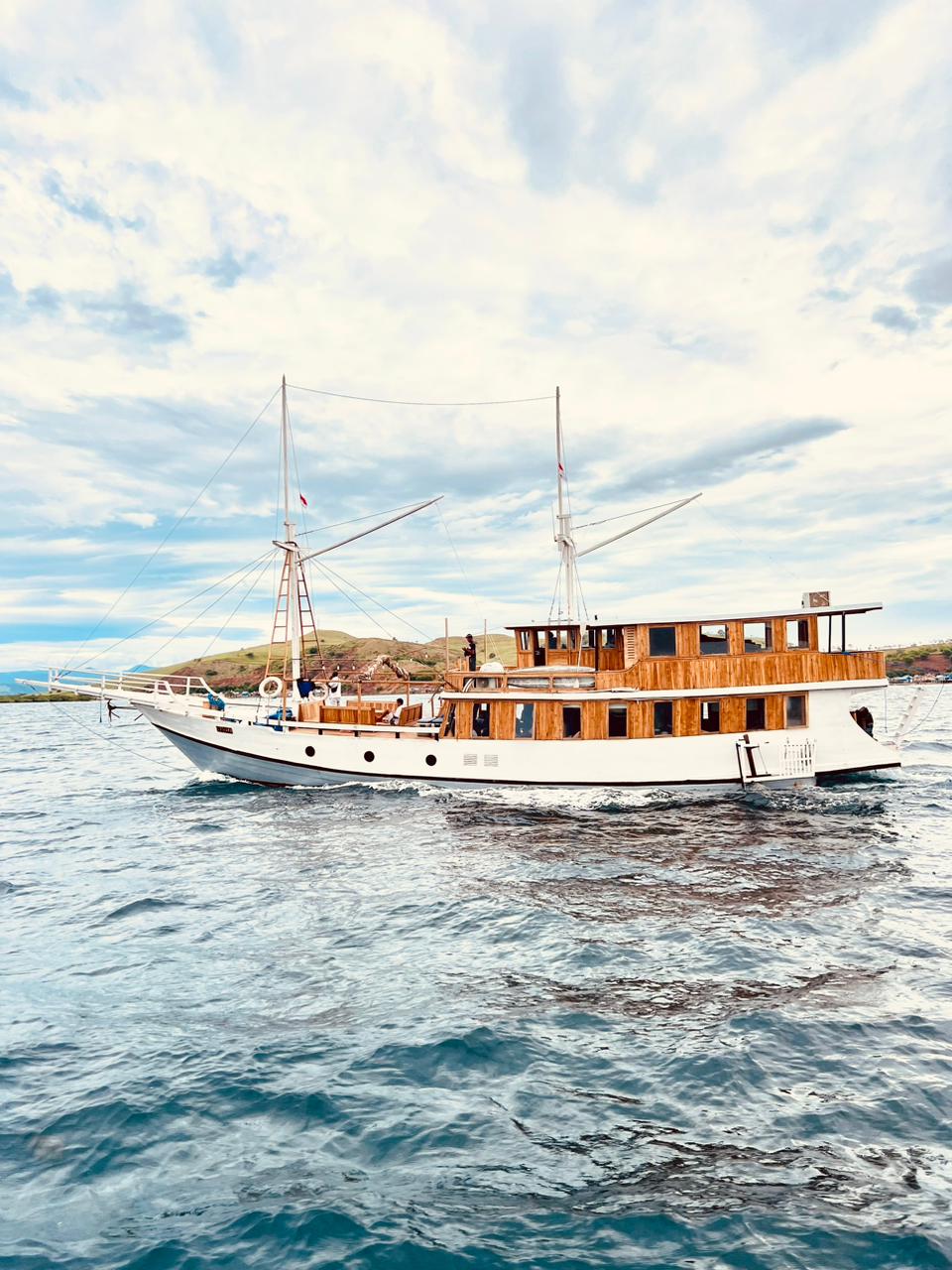
For travelers who want structure without rigidity, the 3D2N sailing trip on PAPITON LOPI is built specifically with small groups in mind, which keeps the route genuinely adaptable. For those who want to test boat travel before committing to multiple nights, the 2D1N trip on PASOLLE covers the main Komodo stops with private en-suite cabins as a lower-commitment entry point.
The specific quality of being in the Komodo Islands or Raja Ampat or the eastern islands of Nusa Tenggara is not something that translates cleanly into description. It has something to do with being in a place where the natural systems are still running at a scale that makes a single human being feel appropriately small.
Anchored in a bay between Siaba and Padar at night, with the generator off and no light from shore, the water around the hull makes a sound that belongs to that specific place. Green turtles surface nearby. The Milky Way is overhead in a way it rarely is anywhere near a city.
Remote island travel in Indonesia, at its best, returns something proportional to what you bring into it. The preparation, the flexibility, the willingness to be in conditions you cannot control: these are the cost of entry. What you get in exchange is the kind of experience that does not have a filtered equivalent. For those ready to commit, there is no better introduction to what remote island travel in Indonesia can offer than stepping onto a phinisi at dawn and letting the archipelago unfold from there.
Here are the trips from Travass.life across Indonesia’s remote islands:
Choose how to reach us
We typically reply within minutes
This session has ended due to inactivity.