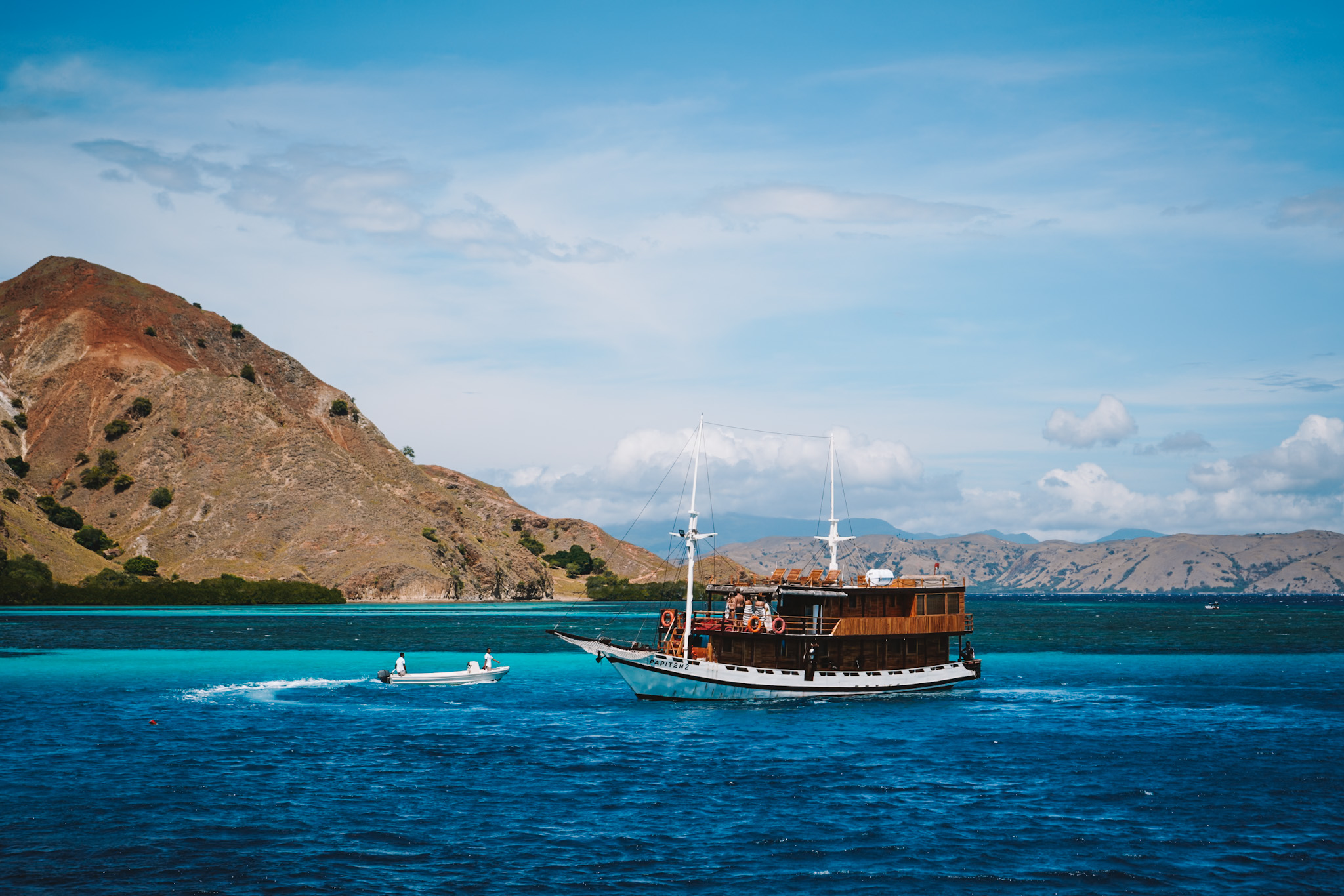
Komodo Trip Without Overpacking Your Itinerary often separates a rushed vacation from a meaningful sailing experience across the islands. A Komodo itinerary without overpacking usually determines whether the journey feels scattered or fully present. Most travelers who leave Komodo feeling like something was missing are usually facing the same issue: too many destinations packed into too little time. Six stops in two days, multiple islands before noon, and snorkeling, trekking, and sunset hikes all compressed into a single afternoon. The trip happens, but it doesn’t fully land.
Most people who leave the Komodo Islands feeling underwhelmed actually face the opposite problem. They packed too much into their schedule. Six spots in two days, three islands before noon, snorkeling and Komodo trekking and a sunset hike all crammed into the same afternoon. The trip happens, but it never really feels like anything.
Komodo Trip Without Overpacking Your Itinerary becomes clear here: the issue is not access, but pacing.
The Komodo Islands reward a specific kind of traveler: one who can resist the urge to check every spot off the list and instead lets certain moments actually sink in. This guide is about how to build that kind of trip.
Komodo National Park covers more than 1,700 square kilometers of ocean and land. Moving between spots takes time, and the boat rides between islands are part of the experience itself, not just empty gaps between attractions. When too many stops get crammed into a single day, most of your energy goes into transit and very little is left to actually be present at each place.
Komodo Trip Without Overpacking Your Itinerary is often misunderstood as a luxury choice, but in reality it is a practical one for how this geography actually works.
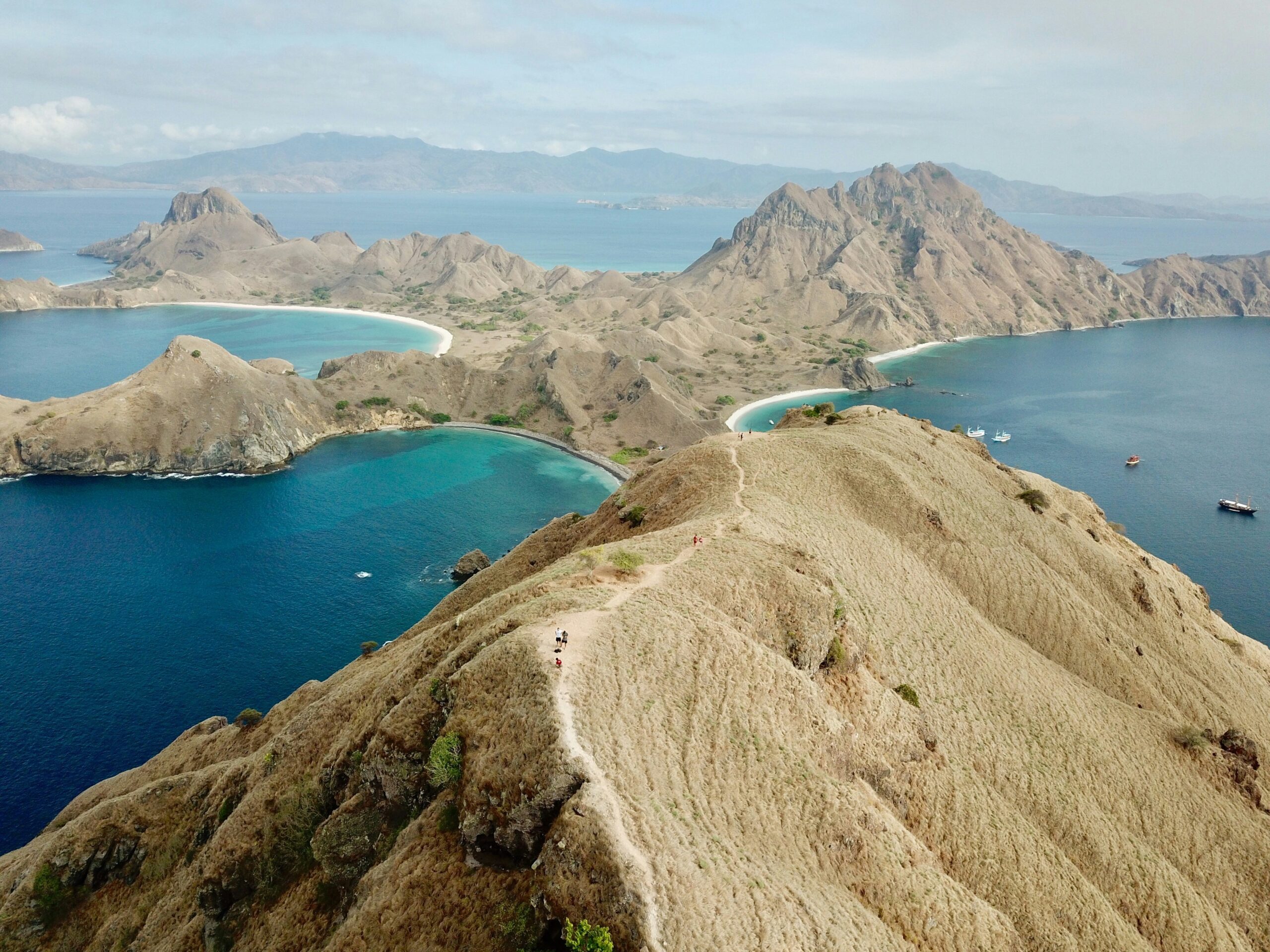
Padar at sunrise, for example, requires a 30 to 45-minute hike under direct sun. If that same day already has Manta Point, Pink Beach, and Rinca scheduled in, Padar becomes just a checkbox, not a moment. You reach the top, take a photo, and move before your breath even settles.
The spots in Komodo deserve more than that. So does your time there.
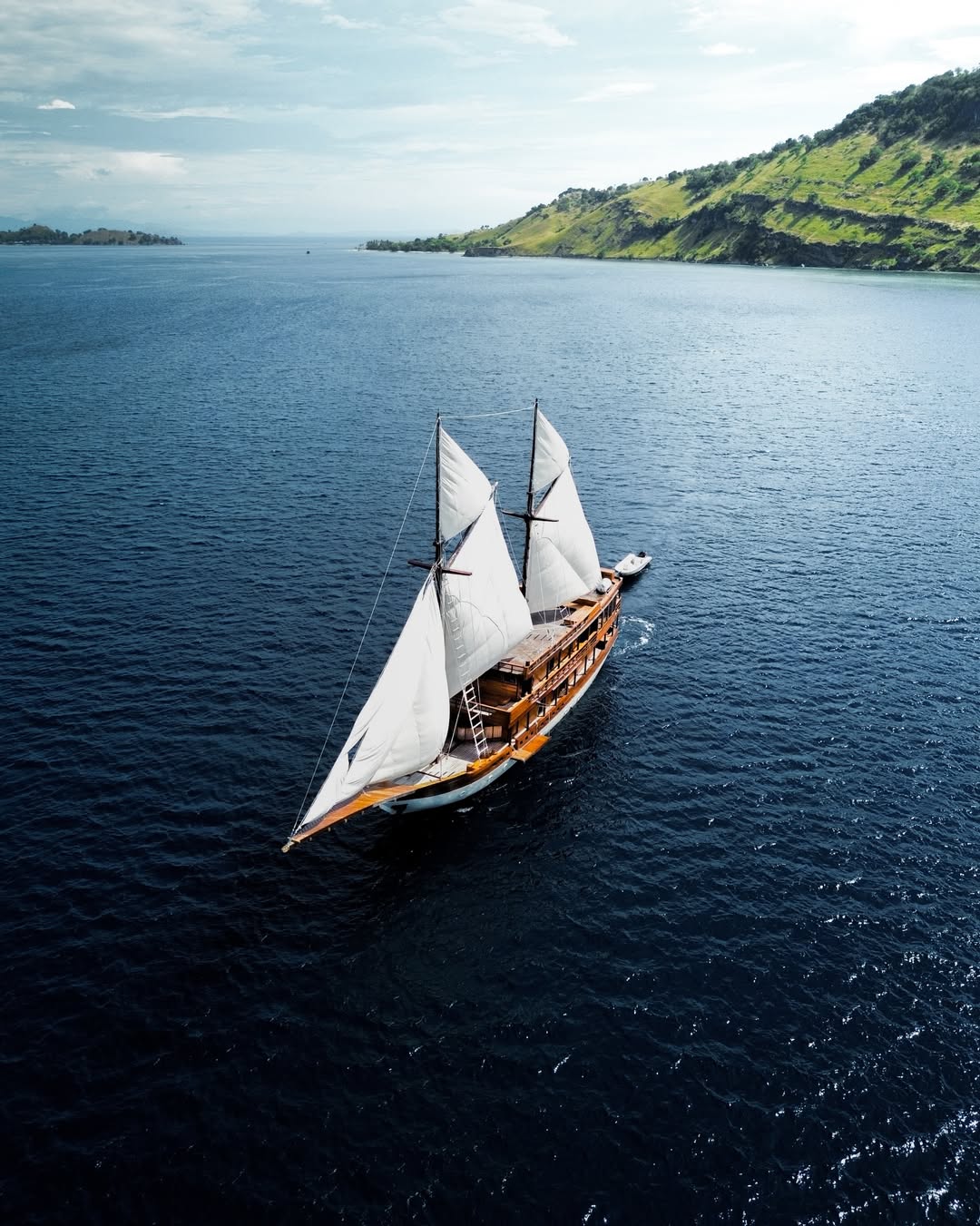

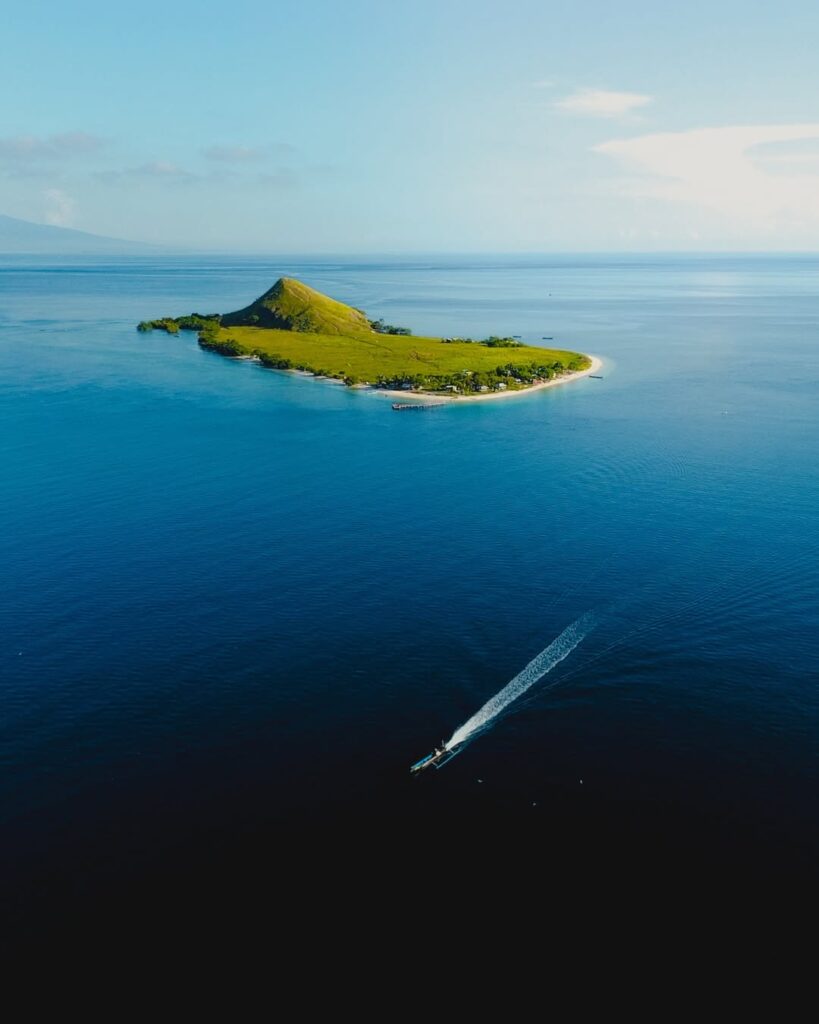
A 2-night sailing trip is enough to see highlights. A 3-night sailing trip is where a Komodo Trip Without Overpacking Your Itinerary actually becomes possible.
That extra night changes the shape of the journey in a way that is not visible on paper. You wake up on a boat anchored in a quiet bay, without a schedule pulling you forward before breakfast ends.
Early morning light on the water feels completely different from anything you will see at midday. The crew has time to take routes that avoid crowds at certain spots. Your guide has space to suggest something outside the standard list because there is time to make it happen.
Komodo Trip Without Overpacking Your Itinerary is exactly what makes this difference visible: more time does not mean more stops, but better timing.
Travelers who have done both almost always say the same thing: the 2-night version feels sufficient, but the 3-night version feels intentional.
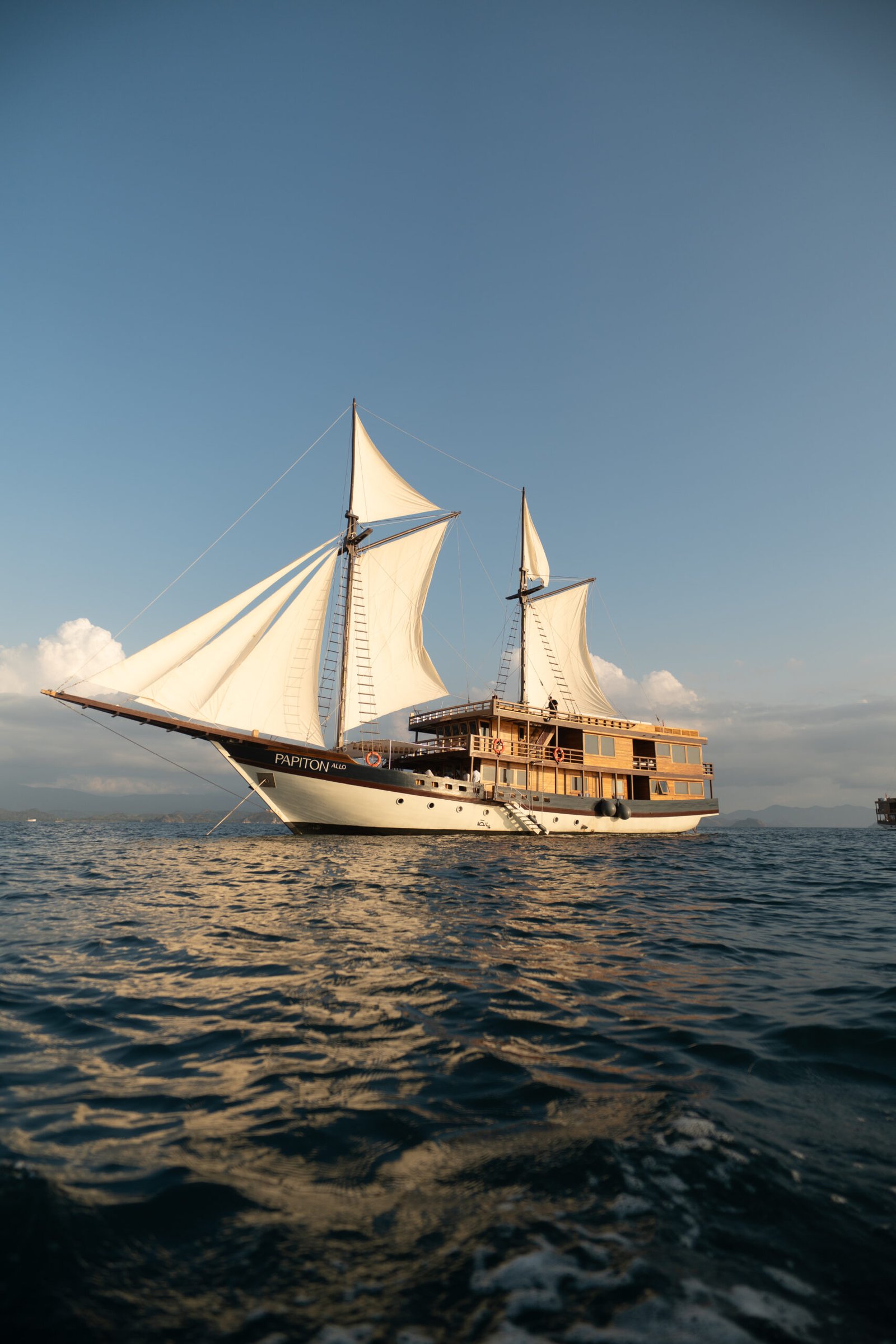
If you want a 3-night sailing trip that designs its route to give each spot proper time, the 3D2N trip on PAPITON LOPI uses a different itinerary than most boats, including a stop at Padar in the afternoon instead of the morning, meaning you arrive when the summit is already quiet.
Not every spot in the national park needs to be visited to understand Komodo Islands. Here is a practical breakdown.
Spots worth protecting time for:
Padar Island, Manta Point, and Siaba Island are best experienced when a Komodo Trip Without Overpacking Your Itinerary is followed properly. These are not locations to rush through.
A rushed itinerary removes the depth that these places naturally offer.
Manta Point works best when the current is active, and that cannot always be guaranteed. If conditions are right and your boat stops there, stay longer in the water than you initially planned. Seeing manta rays feeding in open current is not something you find on land.
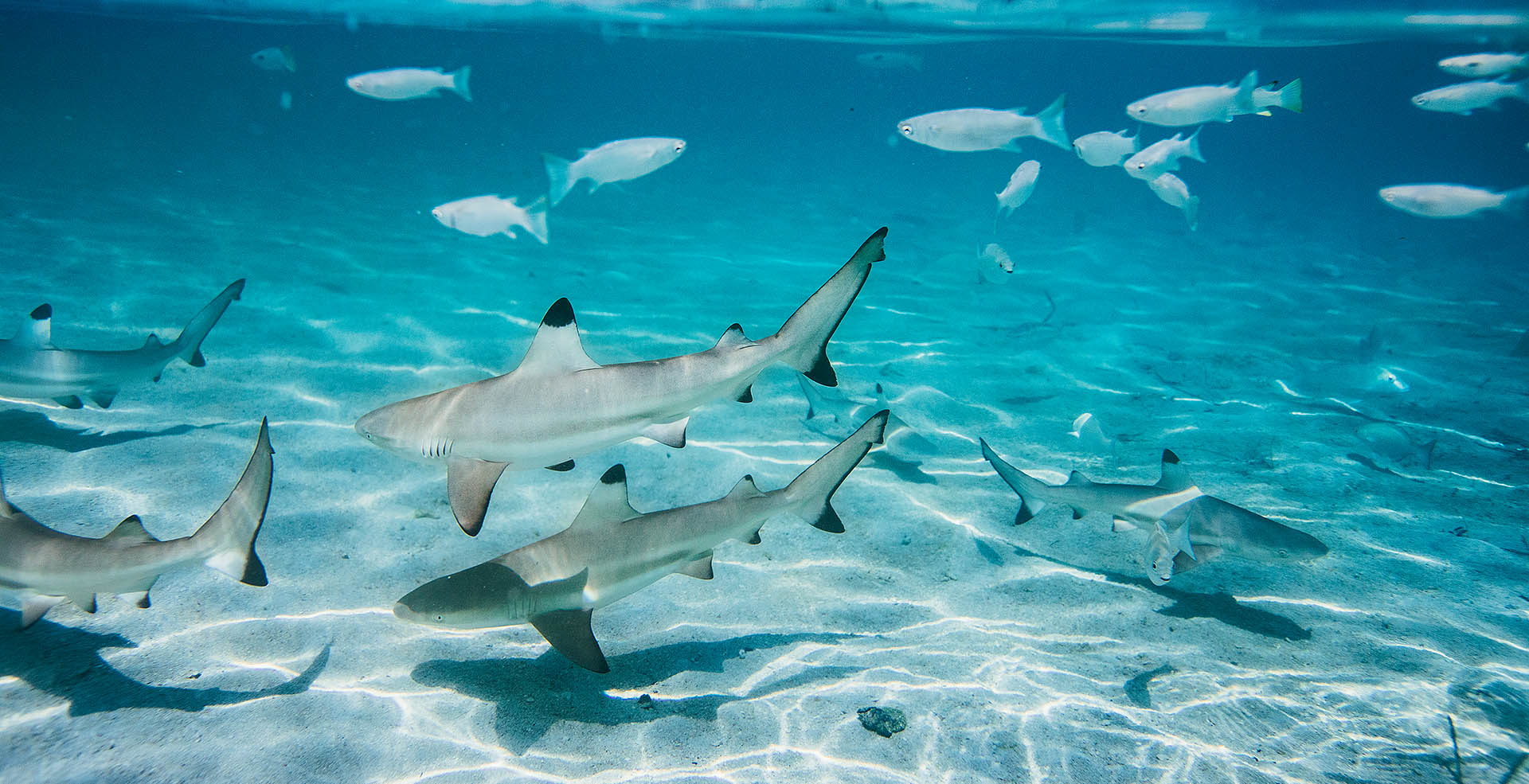
Siaba Island is consistently rushed in itineraries and consistently remembered by those who give it time. Green sea turtles appear regularly in its shallow waters. Mid-morning light, with calm and shallow sea conditions, can be unexpectedly memorable.

Spots that can be deprioritized if time is tight:
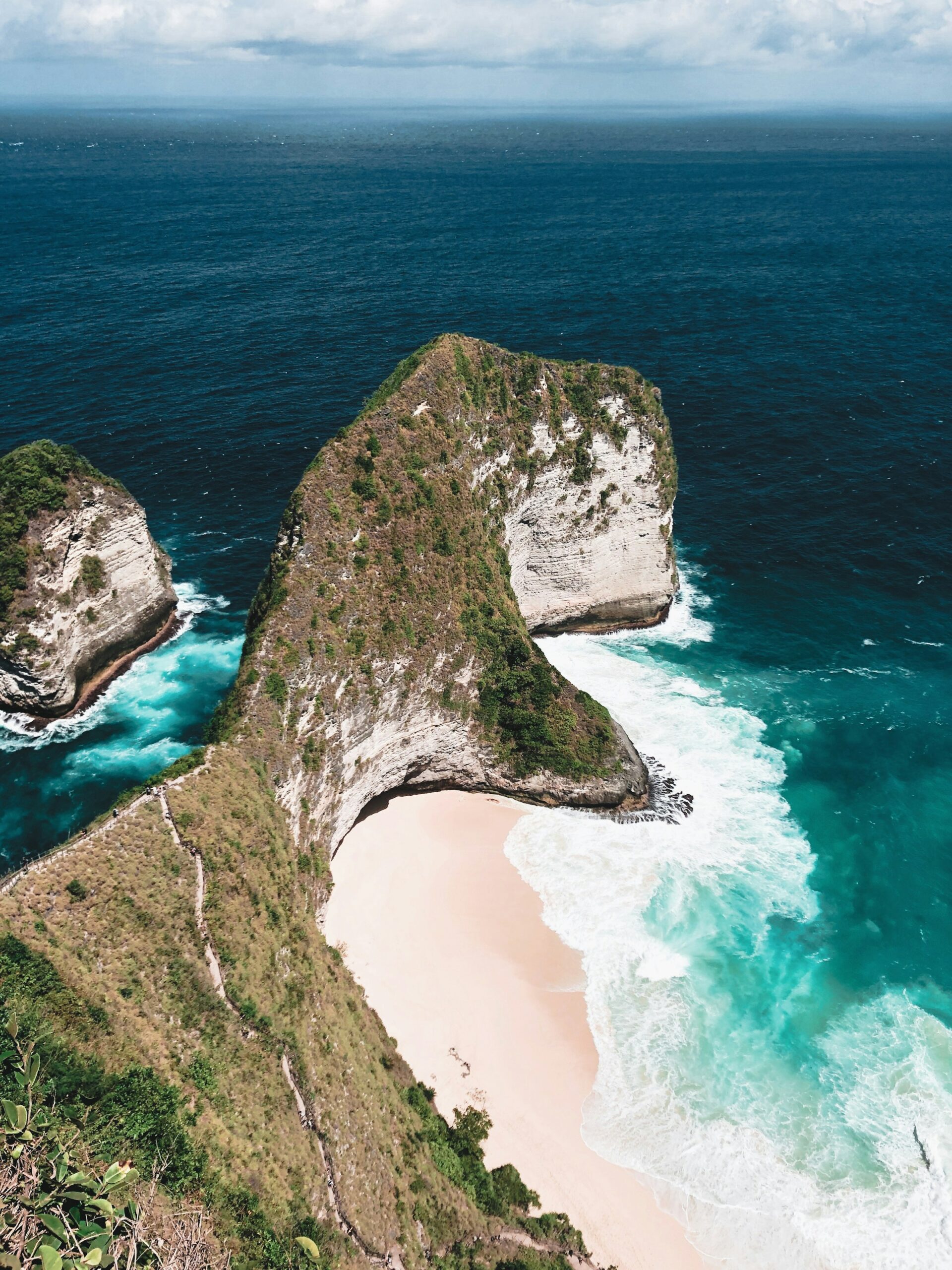
Taka Makassar is worth seeing, but it is more of a visual stop than an experiential one. The sandbar during low tide creates a striking photo from above, but there is not much to do once you are standing on it. If the itinerary is full, this is the easiest one to skip without regret.
Komodo Island itself has more visitor traffic than Rinca, while the Komodo dragon experience on both islands is fundamentally similar. Rinca tends to be quieter, and trekking there is often more relaxed. If your boat goes to Rinca instead of Komodo, that is not a downgrade in quality.
When you look at a sailing package, the itinerary says more than where the boat goes. It shows how the operator thinks about travel.
A well-designed itinerary leaves gaps. It accounts for travel time between islands. It does not schedule five stops before noon. It places physically demanding spots in the morning and lighter ones in the afternoon. It includes anchoring time that is not tied to any activity.
Komodo Trip Without Overpacking Your Itinerary is usually already visible in the structure of the schedule itself. If everything feels tightly packed, the experience will feel the same way.
An itinerary that is too full with six or seven stops per day is a sign that the package is designed to look complete on paper. In practice, it usually means you move faster than you want and spend too little time at each place.
Look for itineraries that include specific departure and arrival times, mention possible adjustments due to conditions, and include at least one block of free time on the water.
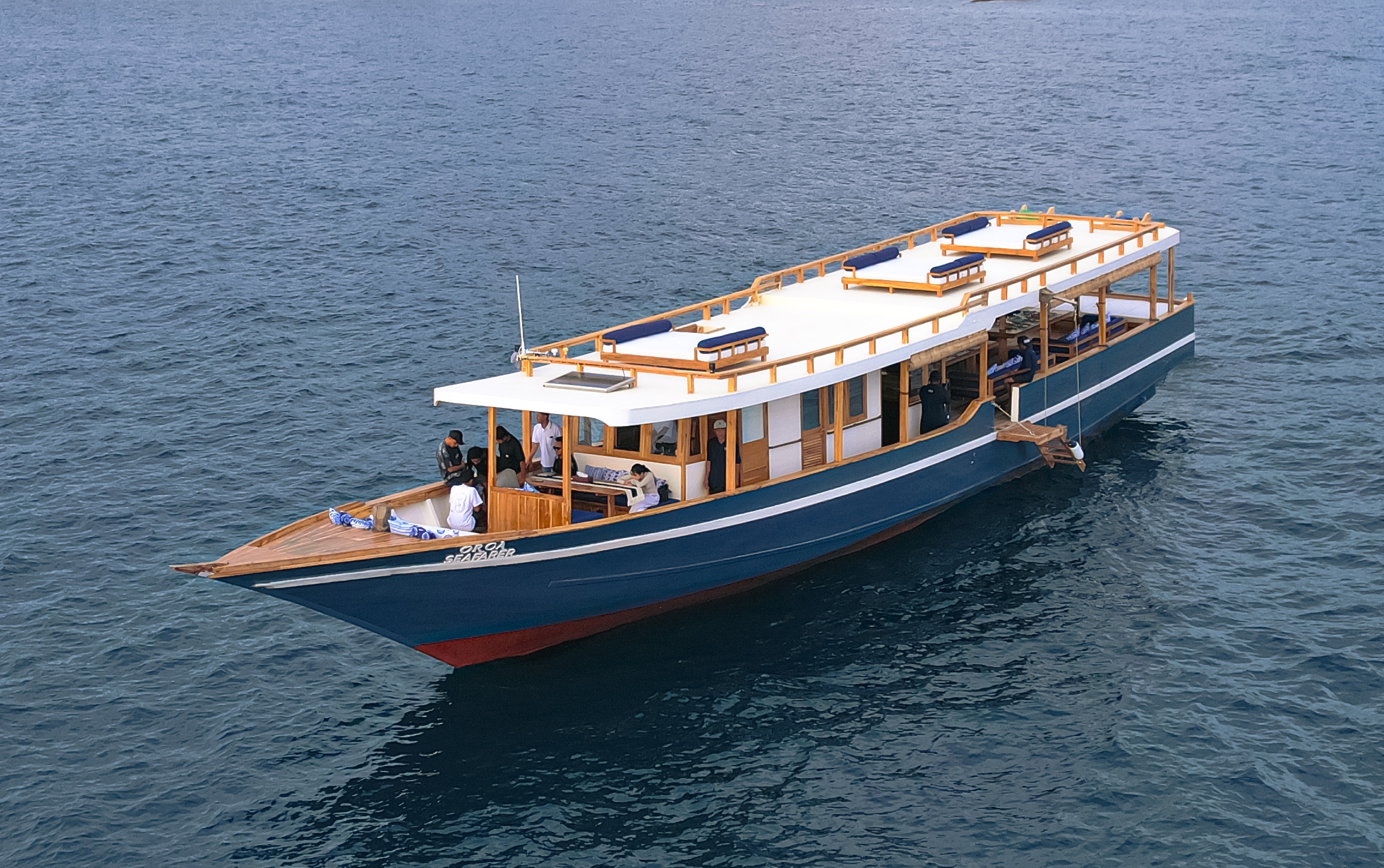
The boat sets the rhythm of the entire trip. Larger boats with 20 or more passengers tend to follow tighter schedules because logistics require it. Boats with 10 to 12 guests have more room for flexibility.
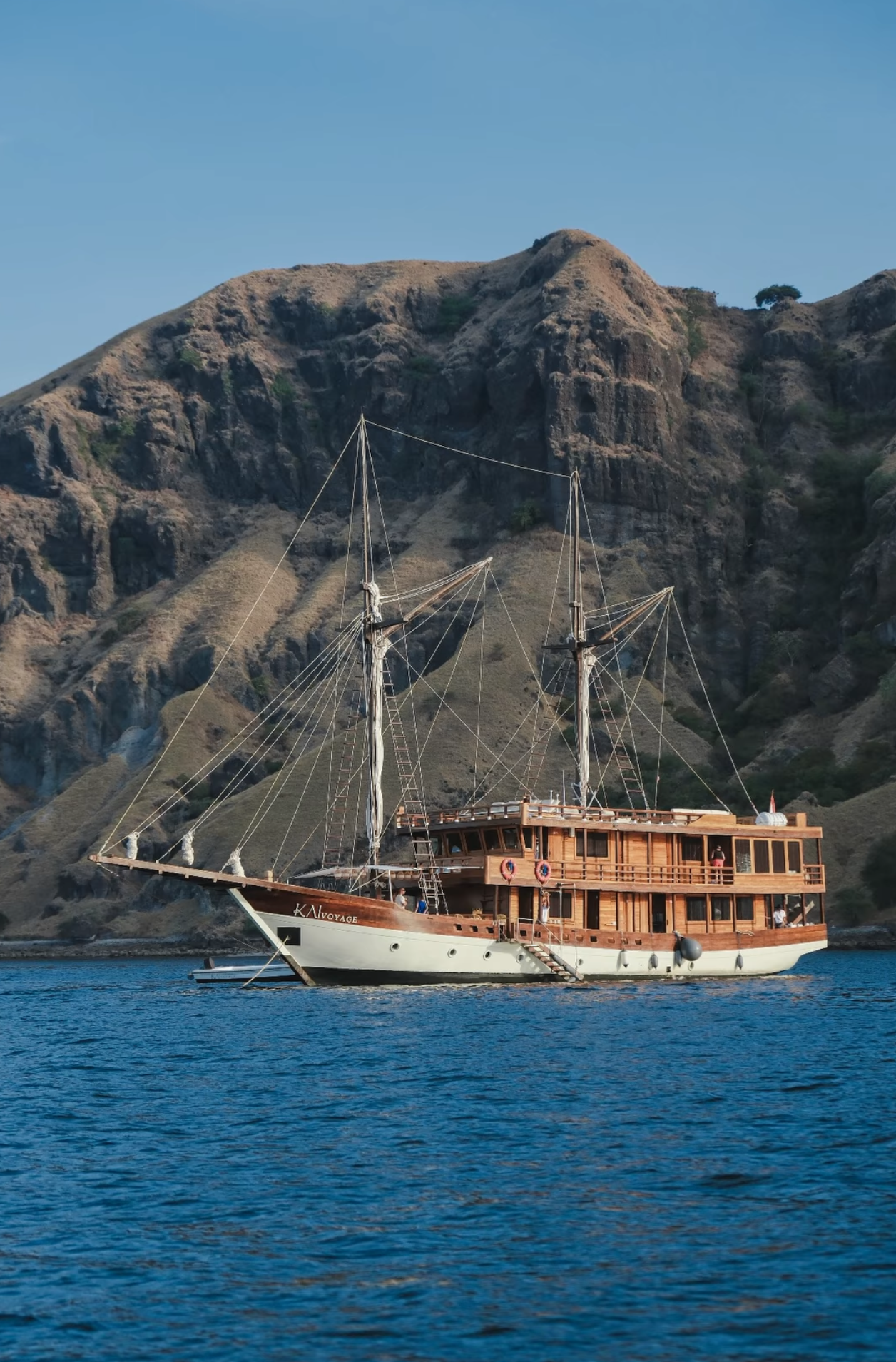
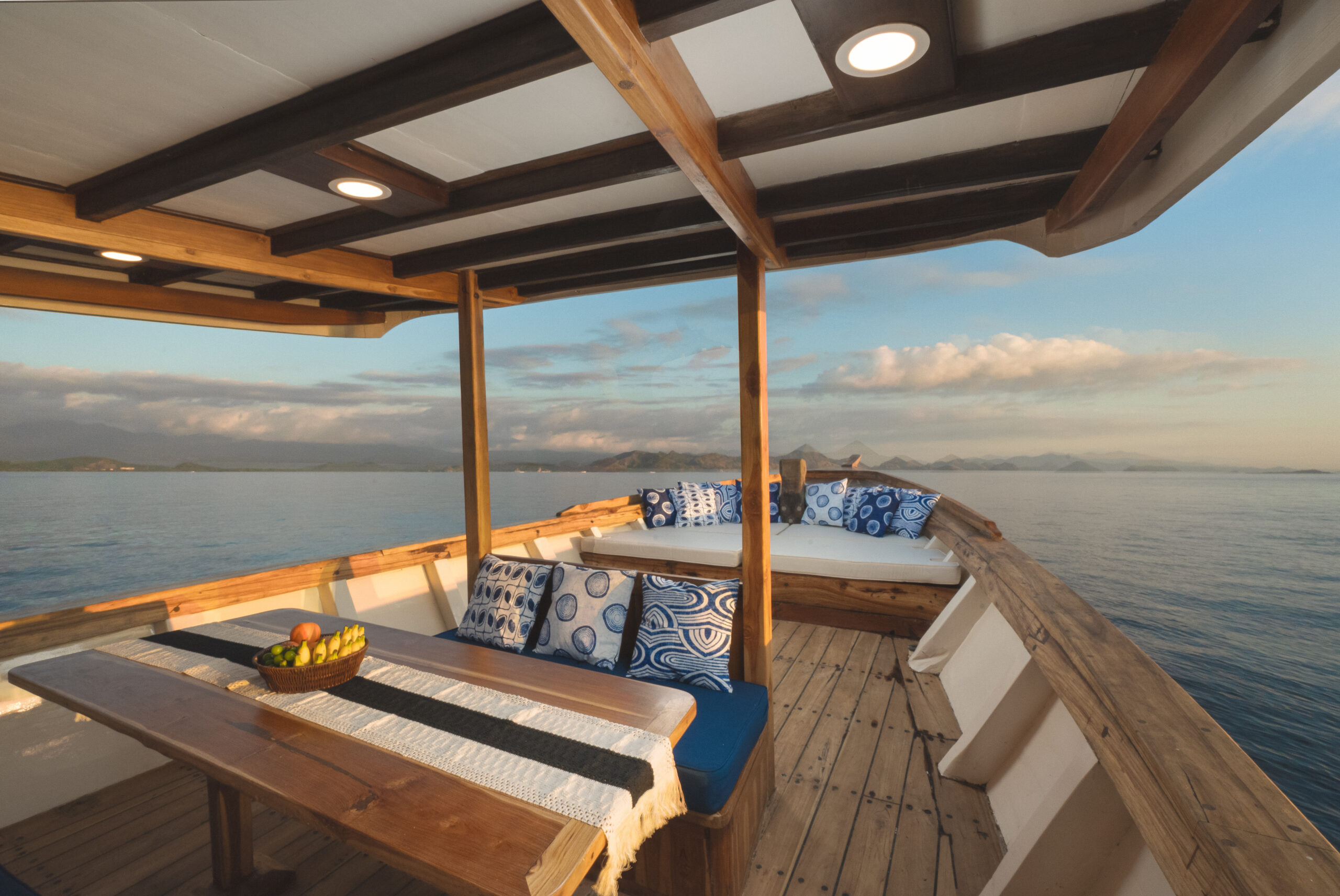
FORTUNA is a newer boat with private balcony cabins, giving you a place to sit alone with ocean views while moving between islands. That kind of space matters when you are trying not to rush.
PAPITON DUWA takes a route that places Padar at sunset instead of sunrise, meaning you are at the summit at the end of the day instead of the beginning. Fewer people, different light, a different version of the same place.
ANDALUCIA is designed for travelers who want a more social sailing experience. Karaoke, kayaking, SUP boards on deck. If slowing down for you means staying active and surrounded by people rather than sitting in silence, this fits better.
If you are still unsure which boat matches your pace, looking at the full Komodo sailing packages allows you to compare itineraries before deciding.
One of the best ways to spend an afternoon in Komodo is staying on the boat. Sitting on deck while the boat moves between islands, without any schedule, is not wasted time.
Komodo Trip Without Overpacking Your Itinerary is usually already visible in the structure of the schedule itself. If everything feels tightly packed, the experience will feel the same way.
This is where some of the best parts of the trip actually happen: conversations with other travelers, guides pointing toward distant fins in the water, and the changing light over the Flores Sea.
If your boat anchors in a new place before dinner, entering the water before eating can be worthwhile if conditions allow. Coral reefs after 4 PM are less crowded than midday, and the angle of light creates a different underwater experience.
Labuan Bajo also offers more than most travelers use. Rangko Cave, about an hour from town, is a sea cave with a saltwater pool deep enough to swim in. The Kalong Island sunset cruise happens early in the evening and lets you watch thousands of flying foxes leaving the island at dusk. Both are not neatly part of sailing itineraries, but both are worth extra time if you have it.
Here are sailing packages from Travass.life that give you structure while allowing a better travel rhythm:
Choose how to reach us
We typically reply within minutes
This session has ended due to inactivity.