Interesting Facts About Raja Ampat
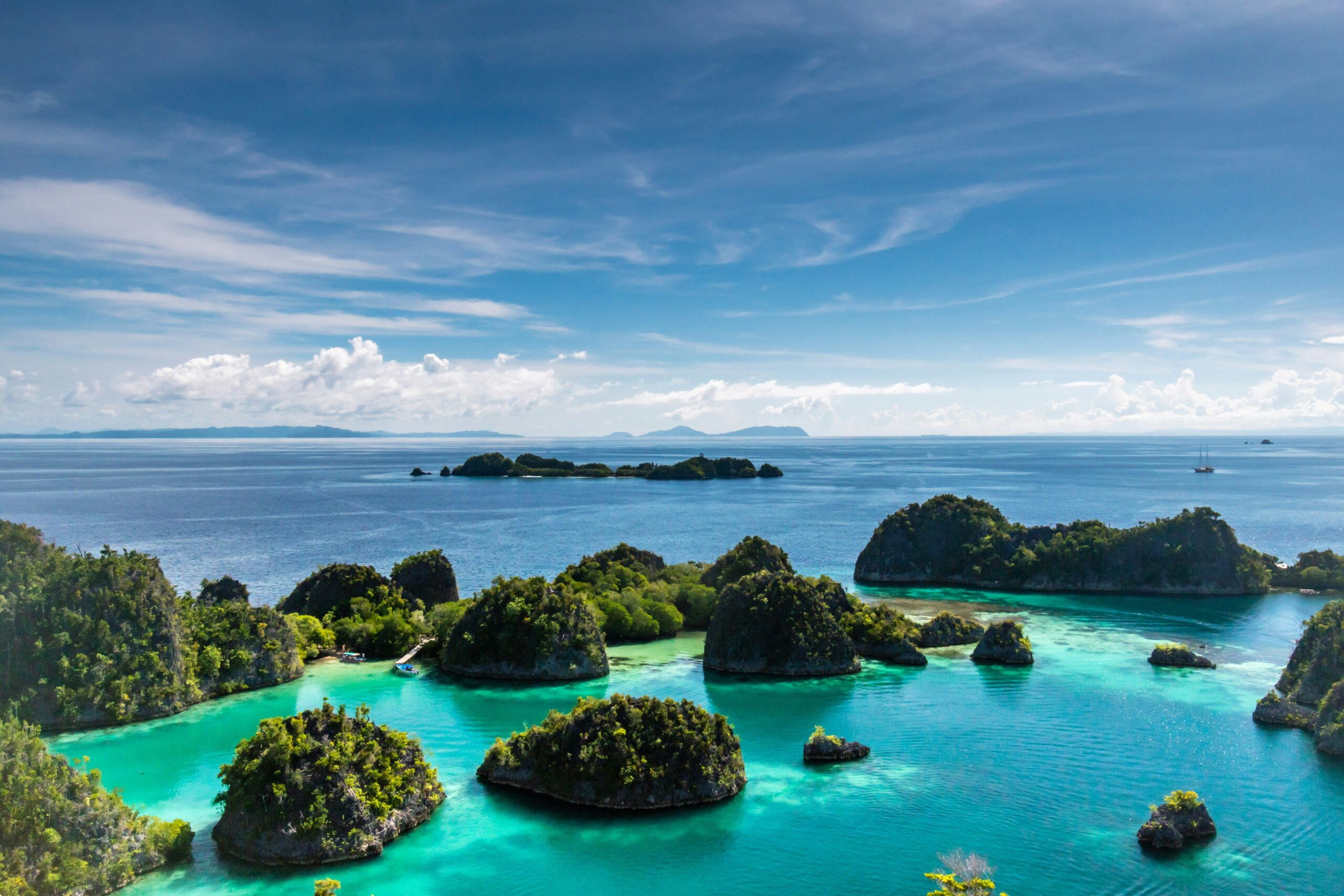
Interesting Facts About Raja Ampat always attract travelers, divers, and nature lovers from all over the world. Raja Ampat is not just a travel destination, but also one of the most biologically diverse marine environments on Earth. It is often described as the last paradise on Earth because of its untouched natural beauty.
In this article, you will discover why Raja Ampat is so special and what makes it one of the most important marine ecosystems in the world.
What Is Raja Ampat?
The name Raja Ampat literally means “Four Kings” in Indonesian, a reference to the four main islands that make up the archipelago: Waigeo, Batanta, Salawati, and Misool. According to local legend, a woman found seven dragon eggs in the area, and four of them hatched into kings who became rulers of the four main islands — the remaining three eggs became a ghost, a woman, and a stone. Whether you believe the legend or not, the name perfectly captures the regal and majestic character of this remote paradise.
Raja Ampat is a regency of West Papua province in eastern Indonesia. It sits within the Coral Triangle — the global center of marine biodiversity — and has become one of the world’s premier destinations for diving, snorkeling, birdwatching, and eco-tourism.
Why Raja Ampat is So Famous
Raja Ampat is famous primarily because of its extraordinary marine biodiversity. Scientists have discovered that this region contains some of the highest levels of marine species diversity in the world.
The waters are incredibly clear, allowing divers and snorkelers to see vibrant coral reefs and marine life with exceptional visibility. In addition to its underwater beauty, Raja Ampat is also known for its limestone cliffs, hidden lagoons, and lush green islands.
Many travelers describe Raja Ampat as a place that feels untouched by modern civilization, offering a rare sense of peace and natural beauty.
Geography & Location Facts
Raja Ampat is strategically located at the northwestern tip of the Bird’s Head Peninsula (Vogelkop) on the island of New Guinea, between the Ceram Sea and the Pacific Ocean. This unique geographical position places it at the heart of the Coral Triangle, which encompasses parts of Indonesia, Malaysia, Papua New Guinea, the Philippines, Solomon Islands, and Timor-Leste.
The islands sit very close to the equator, meaning the region experiences consistently warm temperatures throughout the year — typically between 26°C and 32°C (79°F–90°F). The sea temperature hovers around 28°C, making it ideal for marine life and comfortable for divers year-round.
Marine Biodiversity — The World’s Richest Reefs
If there is one fact about Raja Ampat that stands above all others, it is this: Raja Ampat contains the richest marine biodiversity on the planet. Scientists and marine biologists have described these waters as the epicenter of the Coral Triangle, the marine equivalent of the Amazon rainforest.
“Raja Ampat is the global center of marine life on Earth. No other place comes close to its richness and variety of species.”
Raja Ampat as a Diving Paradise
Divers from around the world consider Raja Ampat to be among the top 3 dive destinations on Earth. The sheer variety of dive sites, coupled with extraordinary marine biodiversity and crystal-clear visibility, makes every dive an unforgettable experience. Whether you are a beginner diver or an experienced technical diver, the underwater world of Raja Ampat will leave you in absolute awe.
World-Famous Dive Sites in Raja Ampat
- Cape Kri — holds a world record for fish biodiversity, with 374 fish species counted in a single dive.
- Manta Sandy (Dampier Strait) — arguably the best manta ray cleaning station on Earth, with massive oceanic manta rays visiting regularly.
- Blue Magic — famous for schooling hammerhead sharks, thresher sharks, and large pelagic species.
- Sardine Reef — known for dense schools of fusiliers, surgeonfish, and enormous bumphead parrotfish.
- Melissa’s Garden — a coral garden so vivid and colorful it looks like an underwater painting.
- The Passage (Gam Island) — a shallow, narrow channel teeming with soft corals and reef sharks.
Famous Islands You Must Know
With over 1,500 islands, Raja Ampat offers an almost endless array of destinations to explore. Each island has its own unique character, landscape, and atmosphere. Here are the most iconic islands that any visitor to Raja Ampat should know about:
Waigeo — The Largest Island
Waigeo is the largest and most developed island in Raja Ampat. It is home to the regency capital, Waisai, and serves as the main arrival point for travelers coming from Sorong by ferry. The island’s forests are habitat for the rare and magnificent Wilson’s bird-of-paradise, a colorful bird that attracts dedicated birdwatchers from across the world.
Misool — The Remote Jewel
Located in the southern part of the archipelago, Misool is often described as the most pristine and secluded part of Raja Ampat. Its waters feature extraordinary soft corals, dramatic underwater caves, and extensive manta ray populations. Misool is also home to ancient cave paintings estimated to be over 3,000 years old, created by the indigenous inhabitants of the region.
Pianemo — The Iconic Viewpoint
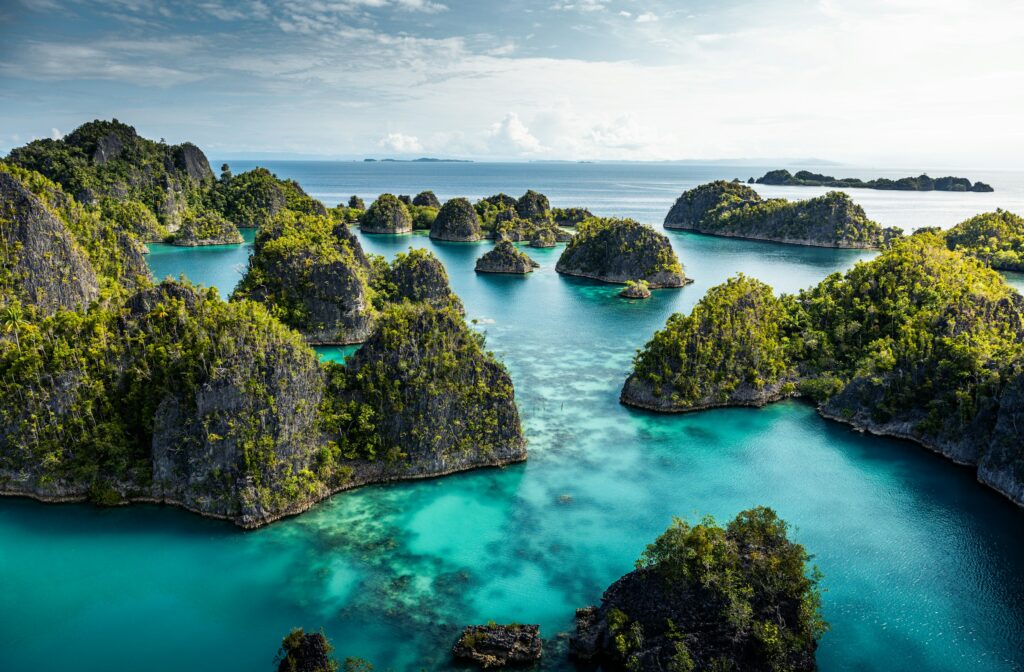
If you have seen the stunning aerial image of countless green mushroom-shaped islands rising from brilliant turquoise water, that is likely Pianemo. A short climb up wooden stairs rewards visitors with one of the most photographed views in all of Southeast Asia — a panorama of karst limestone islets scattered across a glittering lagoon.
Wayag — The Crown of Raja Ampat
The northernmost major island group in Raja Ampat, Wayag is even more dramatic than Pianemo. Its labyrinth of soaring karst towers and brilliant blue lagoons is truly otherworldly. Wayag is more remote and harder to reach, but for those who make the journey, it is one of the most spectacular natural landscapes anywhere on Earth.
Local Culture & Papuan Heritage
Raja Ampat is not only about natural wonders — its human culture is equally fascinating. The islands are home to the Papuan people, who have lived in harmony with the sea and forest for thousands of years. Visiting Raja Ampat without learning something about the local culture would mean missing a deeply enriching dimension of the destination.
Arborek Village — A Living Cultural Experience
Arborek is a small traditional village built on stilts over the sea near Waigeo. It is one of the most visited villages in Raja Ampat, offering visitors the chance to observe traditional weaving crafts, try local food, and interact with the warm and welcoming local community. The women of Arborek are renowned for their intricately woven bags and fans, which make wonderful souvenirs.
Traditional Music & Dance
Papuan culture is rich in traditional music and dance. The tifa drum is a central instrument in local celebrations, rituals, and ceremonies. Visitors during festivals may witness energetic traditional dances performed in elaborate costumes featuring feathers, shells, and vibrant face paint — a colorful celebration of Papuan identity.
Birdwatching & Indigenous Knowledge
Local guides in Raja Ampat possess remarkable knowledge of the forest and its wildlife, passed down through generations. The region is home to species such as the Red Bird-of-Paradise, Wilson’s Bird-of-Paradise, and numerous endemic parrots. Indigenous guides are often the only ones who know exactly where and when these spectacular birds can be observed.
Conservation Efforts & Eco-Tourism
One of the most important and inspiring facts about Raja Ampat is the strong commitment to conservation that exists among local communities, the Indonesian government, and international NGOs. The reefs of Raja Ampat have not always been in pristine condition — destructive fishing practices, including blast fishing and cyanide fishing, caused significant damage in the past.
Beginning in the early 2000s, Conservation International partnered with local communities and the government to establish the Raja Ampat Marine Protected Area (MPA) — one of the largest marine protected areas in Indonesia, covering approximately 40,000 km². This has led to a remarkable recovery of fish populations and coral health.
Our Travelers Have Experienced It
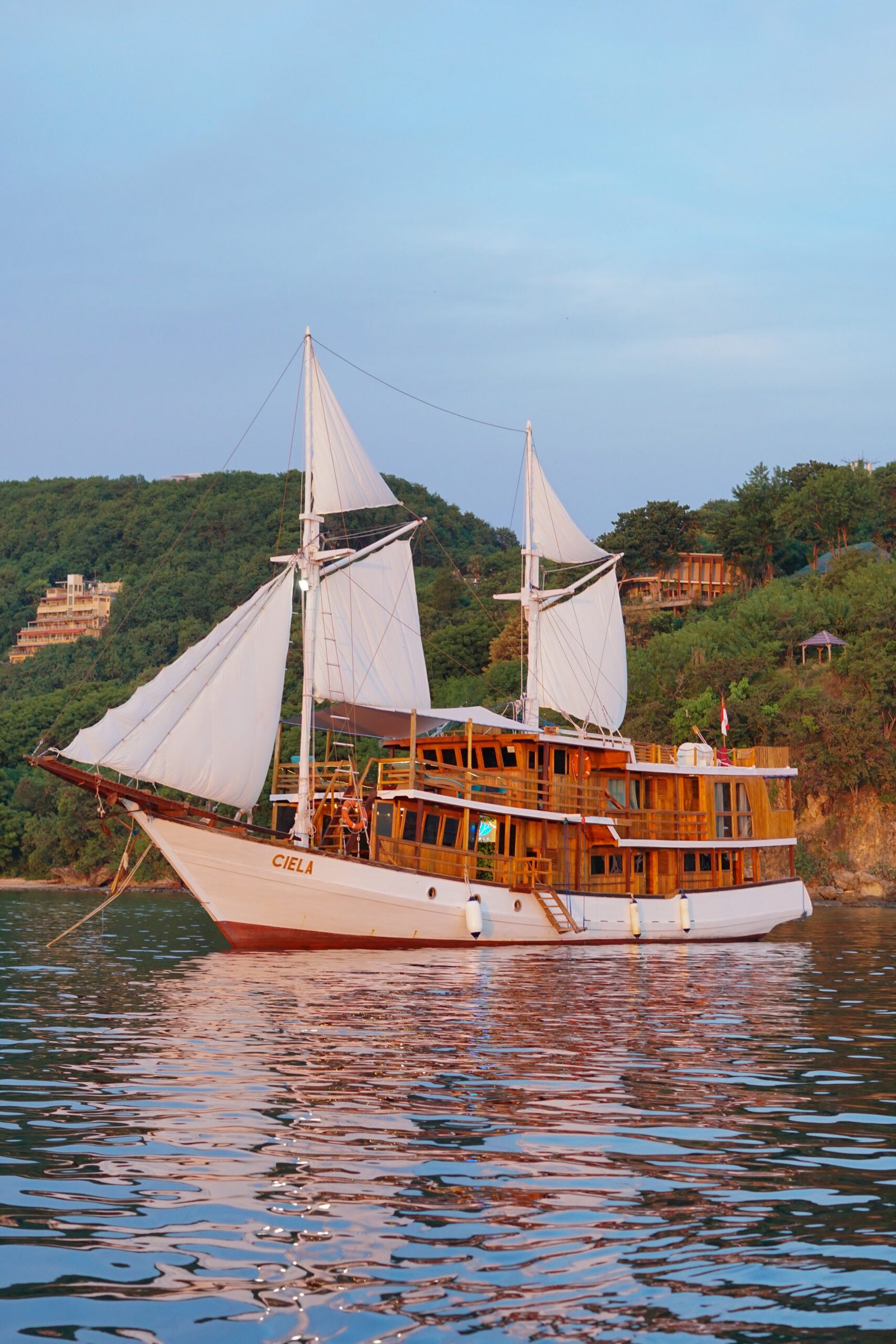
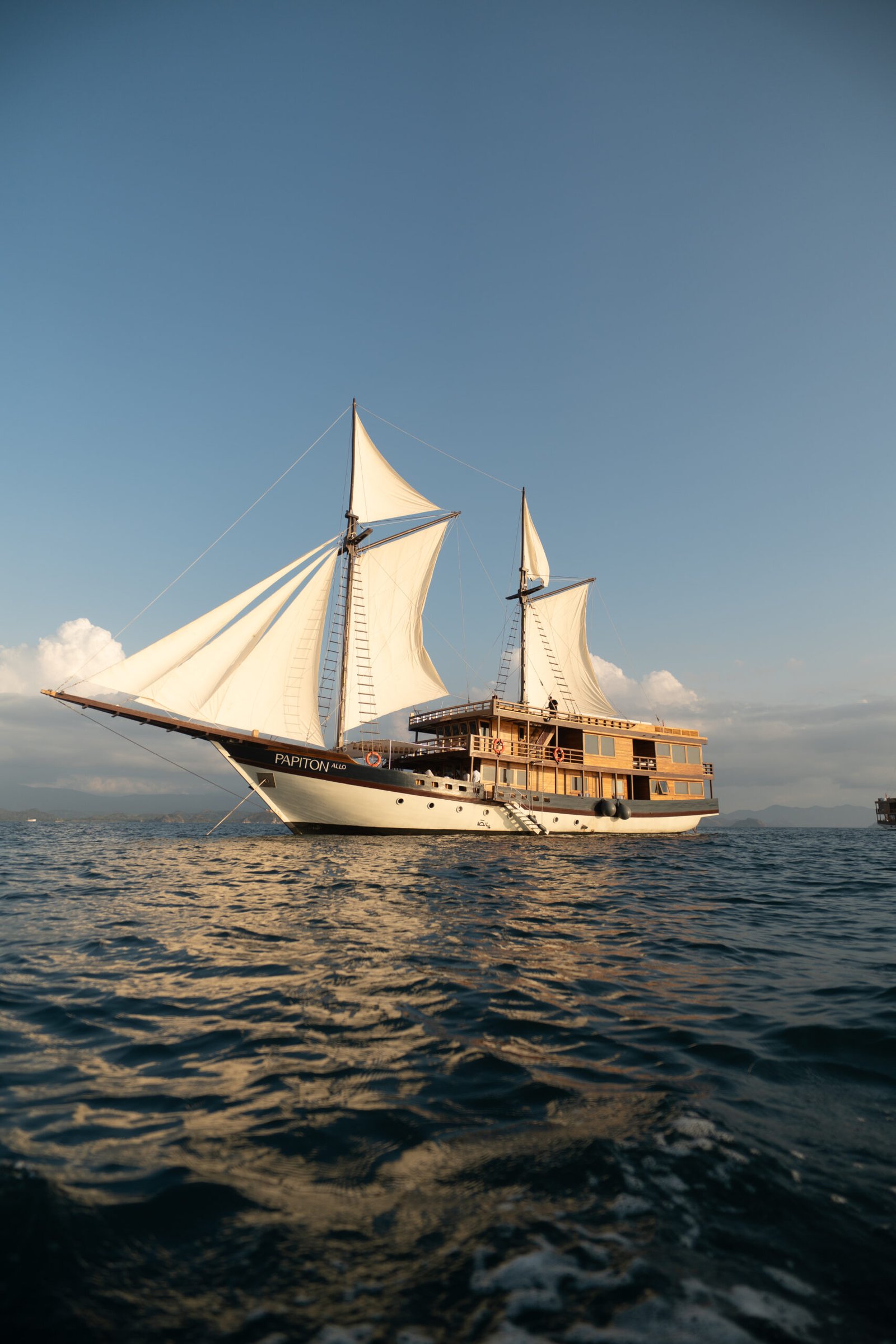
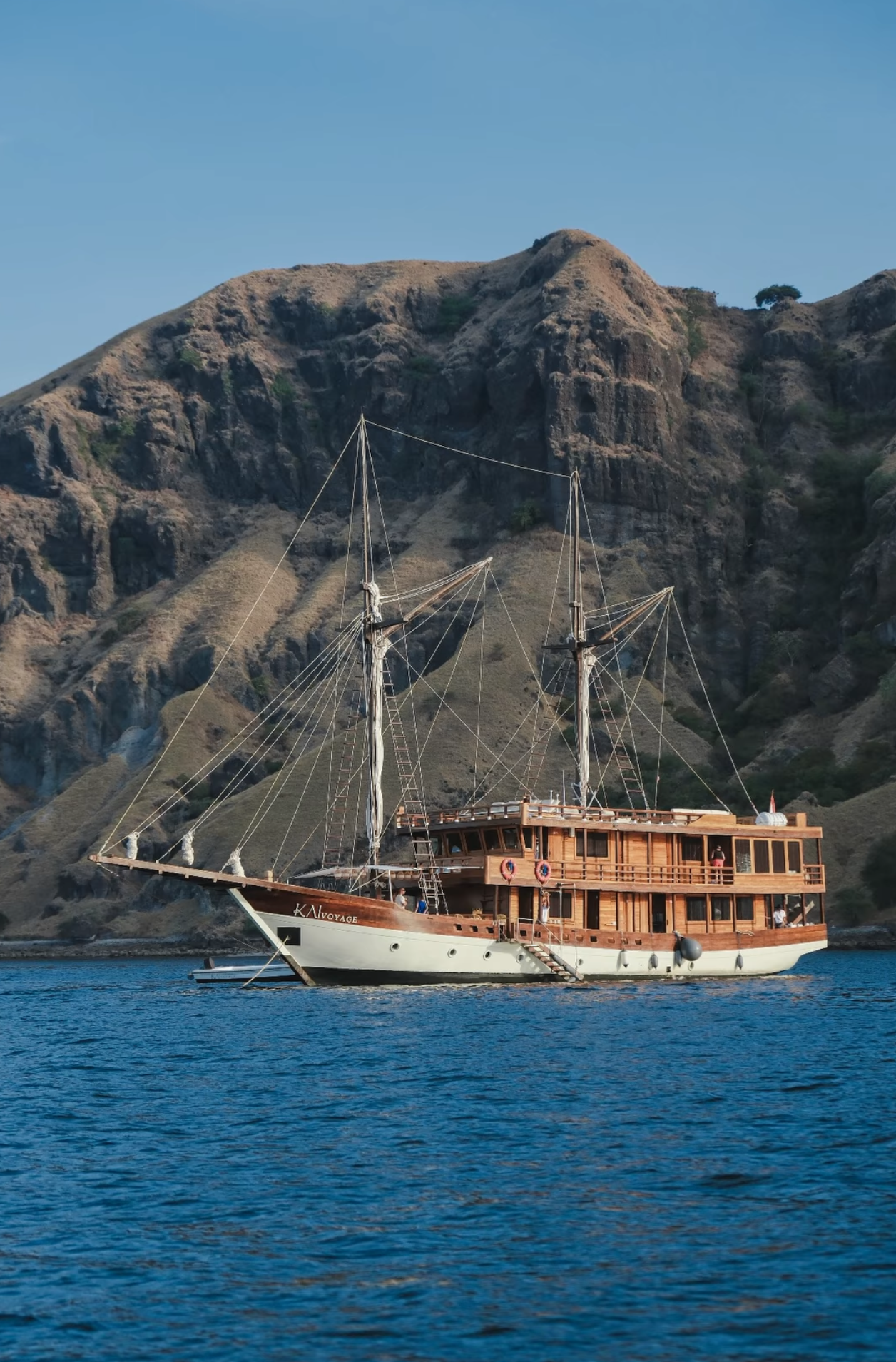
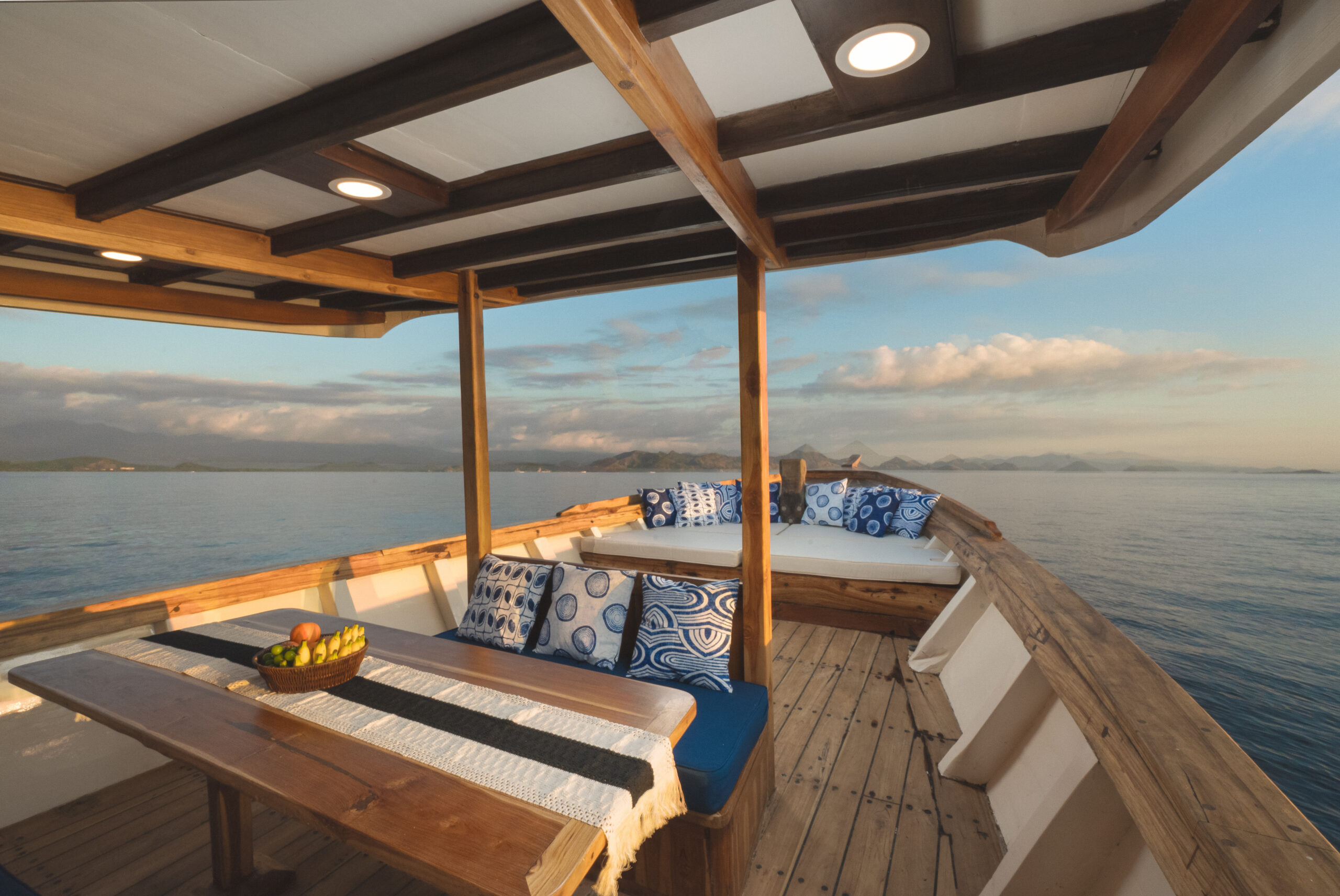
Here are sailing packages from Travass.life that give you structure while allowing a better travel rhythm: