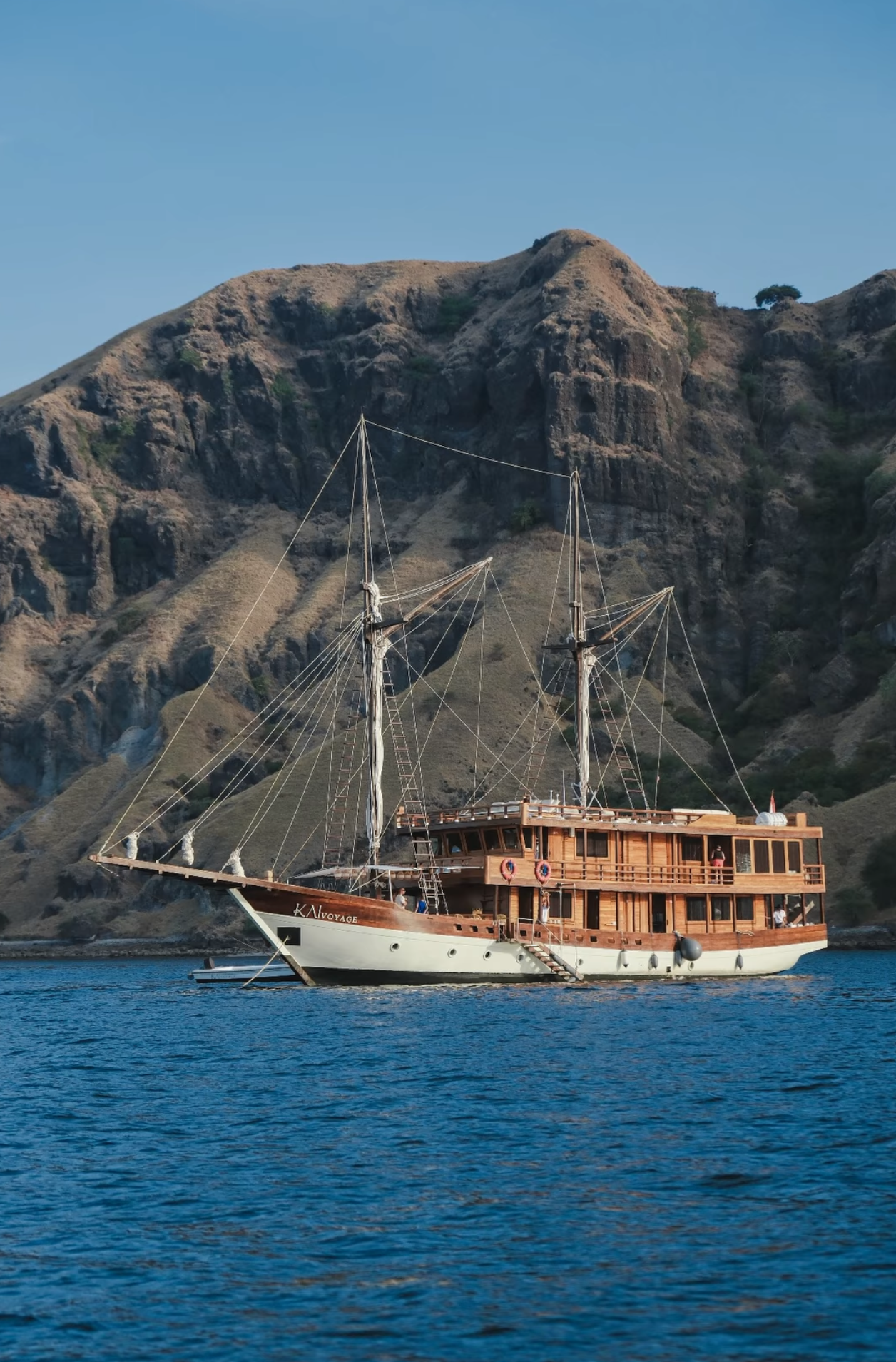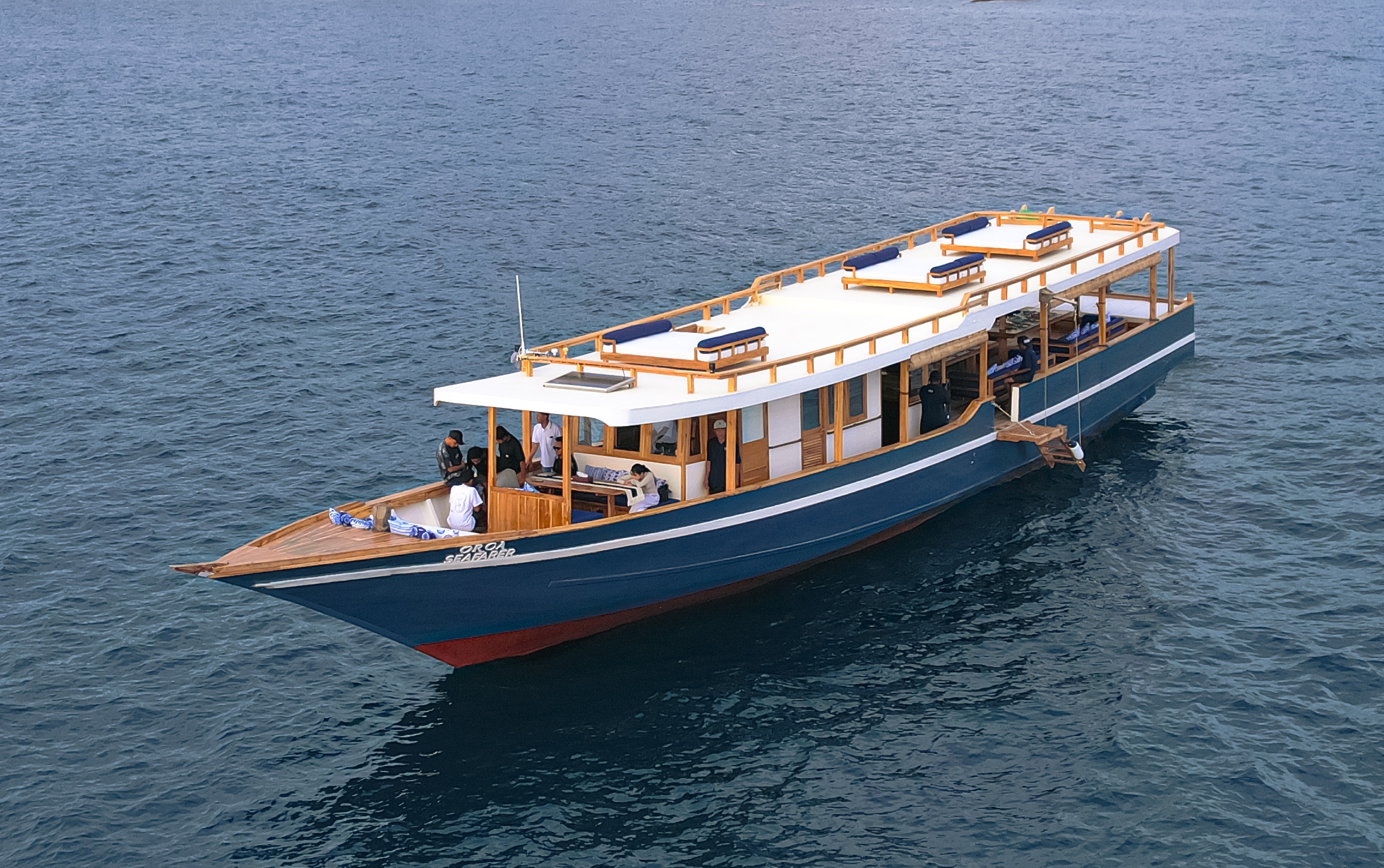
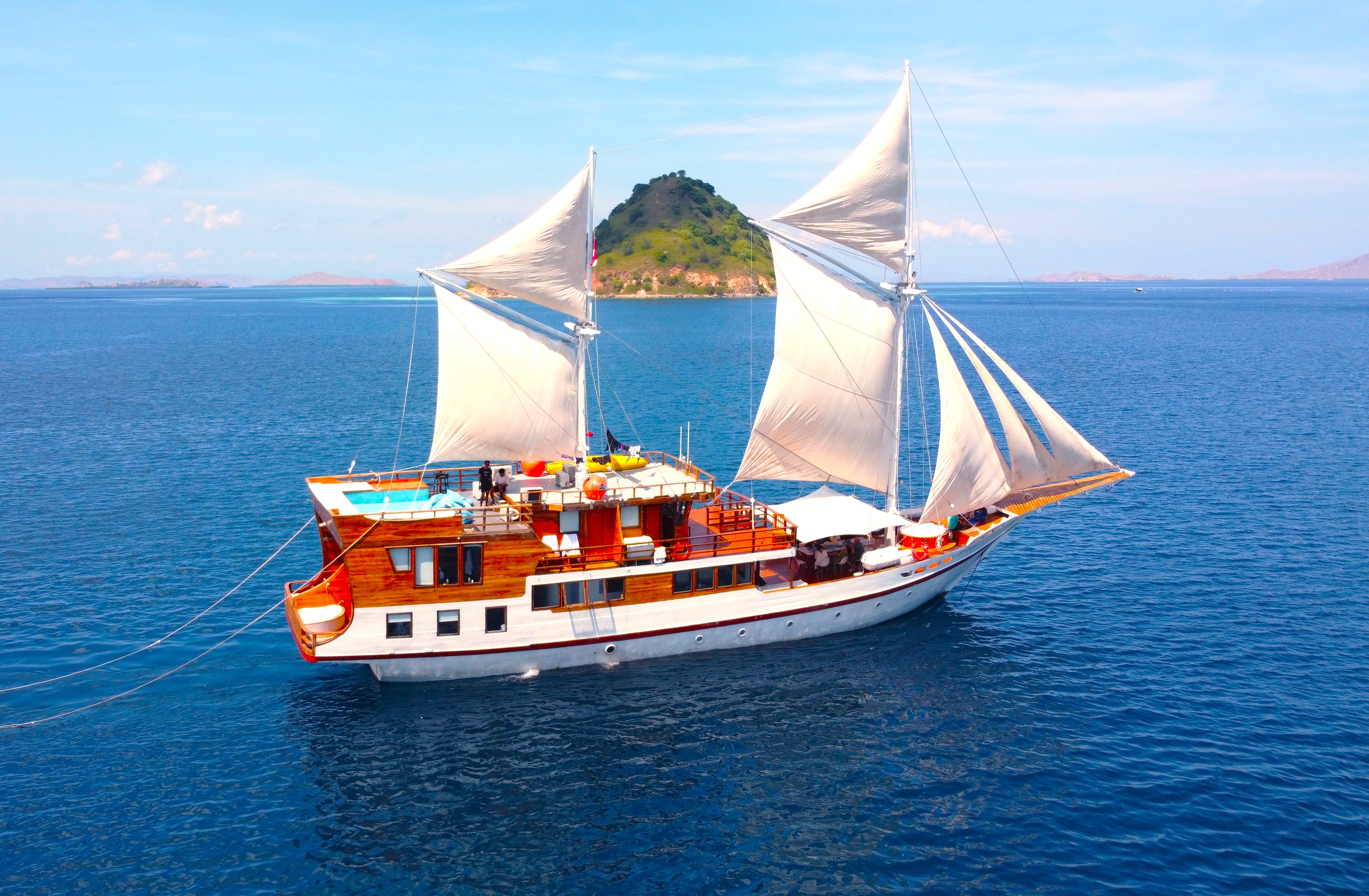
Book through a local agent instead of a coorporate booking platform.
By choosing a local operator, your trip creates a more direct impact on the people and communities behind the destination. You’ll be connected with local teams who genuinely live, work, and are deeply involved in the places you visit.
Your support helps strengthen the local economy, as more of the money you spend goes back into the community — supporting local crews, guides, fishermen, small businesses, and families who are part of the travel experience.
Modern travel has been engineered for convenience. With a few clicks on a polished platform, you can book a flight, a hotel, and a tour package without ever speaking to a single person in the destination. The transaction feels clean, complete, optimized.
But convenience has a cost that doesn’t appear on any receipt. When travelers book entirely through international intermediaries, the economic benefit of their trip is largely absorbed before it ever reaches the local community. Hotel revenue flows to overseas parent companies. Platform commissions route through European or American corporate accounts. Tour operators who have paid to appear on large booking sites must either raise their prices or accept reduced margins — and in most cases, it is their local staff who absorb the difference.
Understanding how your way of traveling impacts local communities starts with recognizing that travel is not just a transaction. It is a transfer of resources — and the direction of that transfer is entirely in your hands.
Book through a local agent instead of a corporate booking platform. This single shift in how you plan your trip is the single most direct action you can take to change how travel impacts local communities for the better.
A local operator is not simply a smaller version of a corporate one. They are structurally different. They hire locally because their neighbors are their candidates. They source supplies locally because the market down the road is where they shop. They invest in the place because it is their home — and when tourism harms the environment or the culture, they are the first to feel it.
The Responsible Travel Foundation has documented extensively that the quality of experience travelers receive through locally-owned operators consistently scores higher in authenticity, cultural depth, and personal connection than equivalent tours sold through international platforms — at the same or lower price points.

By choosing a local operator, your trip creates a more direct impact on the people and communities behind the destination. You’ll be connected with local teams who genuinely live, work, and are deeply involved in the places you visit.
This directness is structural, not incidental. A locally-registered operator doesn’t sub-contract your guide from a regional supplier. Your guide is their colleague, perhaps their sibling, possibly the person who founded the company with them. The food cooked on the boat comes from a supplier they have bought from for years — often a family member or a neighbor’s farm. The fuel is purchased from a local port business that employs young men from the same village.
None of these connections exist when you book through a platform optimized for reach rather than rootedness. The corporate model is efficient — but efficiency, in this context, means eliminating the community touchpoints that make travel meaningful for the places you visit.
Your support helps strengthen the local economy, as more of the money you spend goes back into the community — supporting local crews, guides, fishermen, small businesses, and families who are part of the travel experience.
Think of it as a river. Money that enters a local economy and stays there flows — from your payment to a local operator, to the wages of a crew member, to the morning market where he buys his family’s vegetables, to the warung owner who uses those earnings to pay her daughter’s school fees, to the teacher who spends her salary at the local repair shop. Each exchange is a circulation that builds community resilience.
When that same money flows instead through a corporate booking platform, it is extracted from this river almost immediately — routed offshore before it ever had the chance to circulate. The destination receives the strain of your visit — the wear on its reefs, roads, and resources — without receiving the full economic return.
According to research highlighted in The Guardian, travelers who book with local operators and stay in locally-owned accommodation can keep up to five times more of their travel spend within the destination community.
When we examine how travel impacts local communities in concrete terms, the answer is ultimately a list of names — or if not names, then roles: the identifiable, real people whose livelihoods are shaped by how travelers choose to book.
a. Local Guides
Carriers of irreplaceable local knowledge — ecology, history, language, culture. When fairly paid, they become the most powerful advocates for conservation in their own communities.
b. Boat Crews
Often from multi-generational fishing families, crew members support entire households. Their steady income from tourism reduces pressure on fish stocks and marine ecosystems.
c. Fishermen
Local operators source fresh catch from community fishermen rather than importing supplies. This creates a direct link between your onboard meal and a local family’s livelihood.
d. Local Businesses
Every warung, repair shop, market stall, and fuel depot that serves the local tourism ecosystem depends on money circulating within the community rather than leaking out of it.
The connections run deeper still. A well-supported local operator can afford to pay for staff training, invest in safer equipment, and contribute to community conservation funds. The health of the reef, the forest, and the cultural heritage that drew you there in the first place is maintained — or degraded — by whether local people have the economic means and the incentive to protect it
Here are sailing packages from Travass.life that give you structure while allowing a better travel rhythm:
Choose how to reach us
We typically reply within minutes
This session has ended due to inactivity.