
Exploring Sumba: A Complete Guide from Wild Savannas to Hidden Gem Beaches
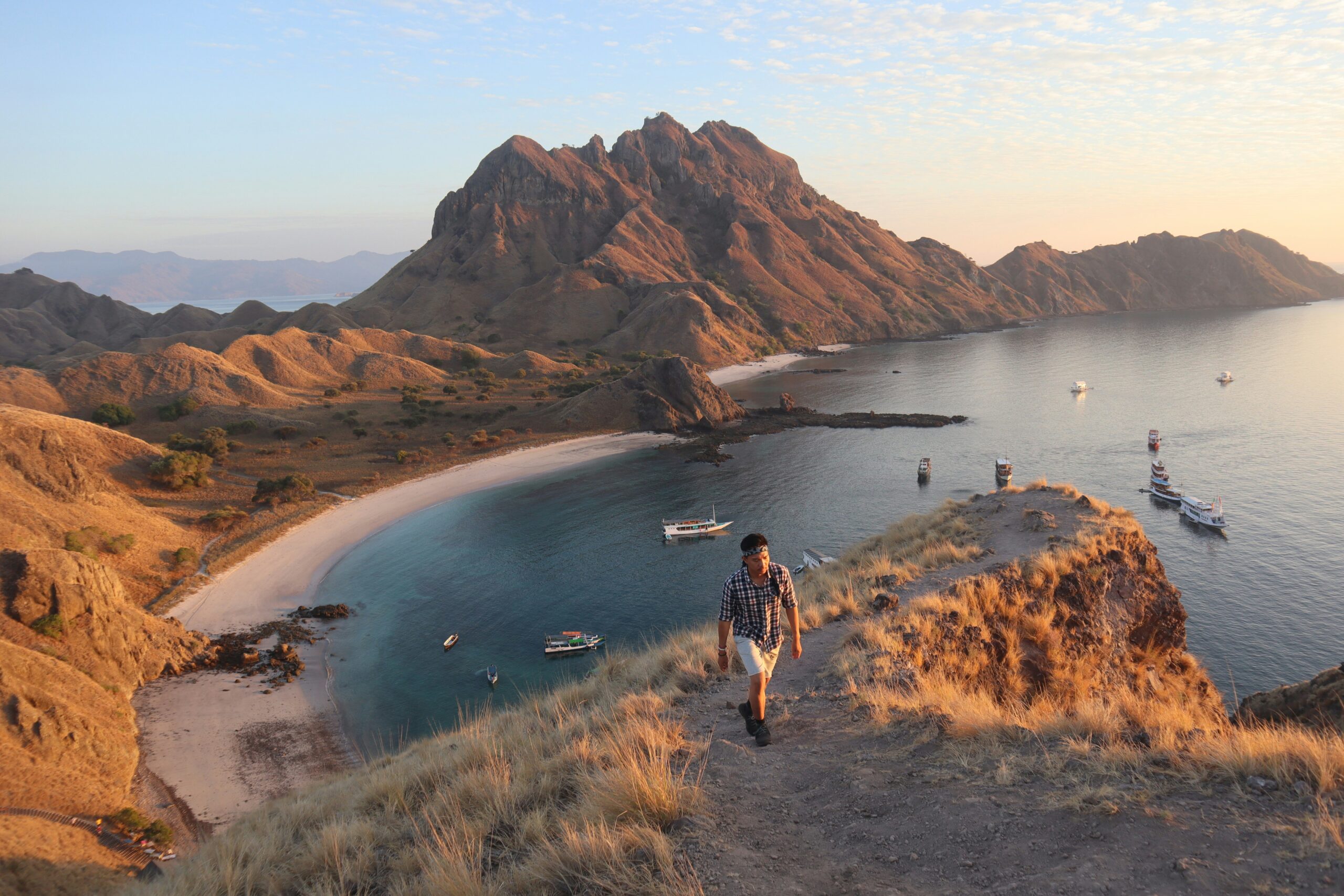
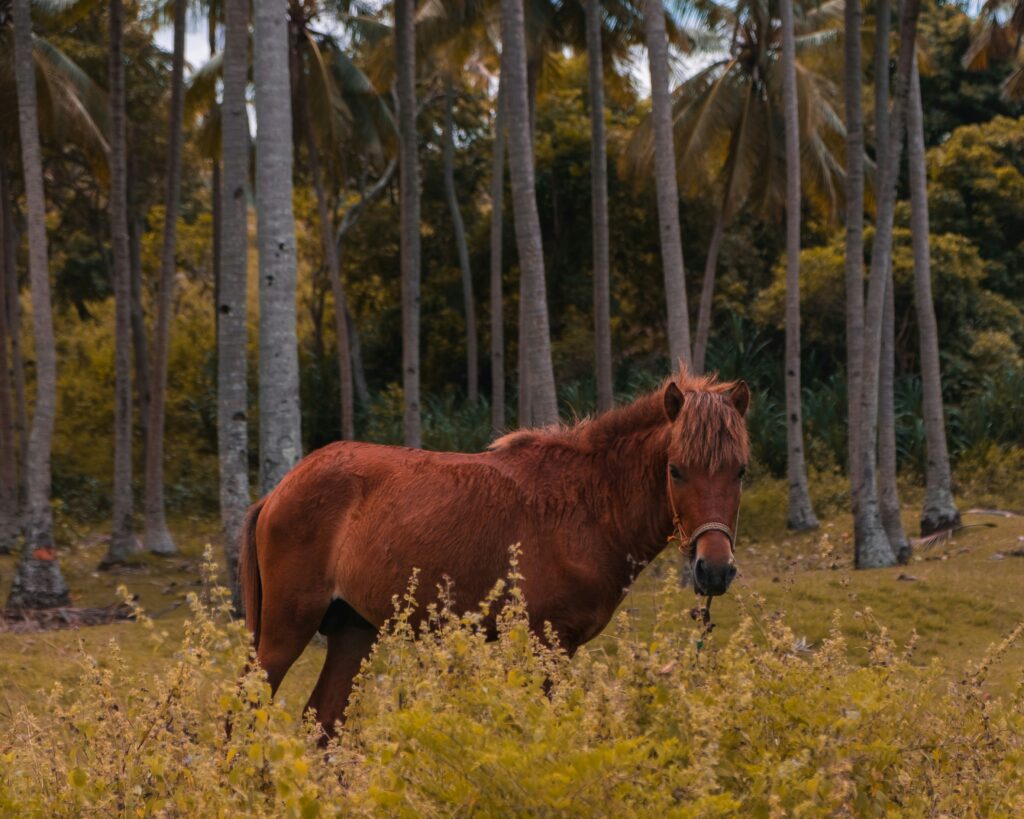
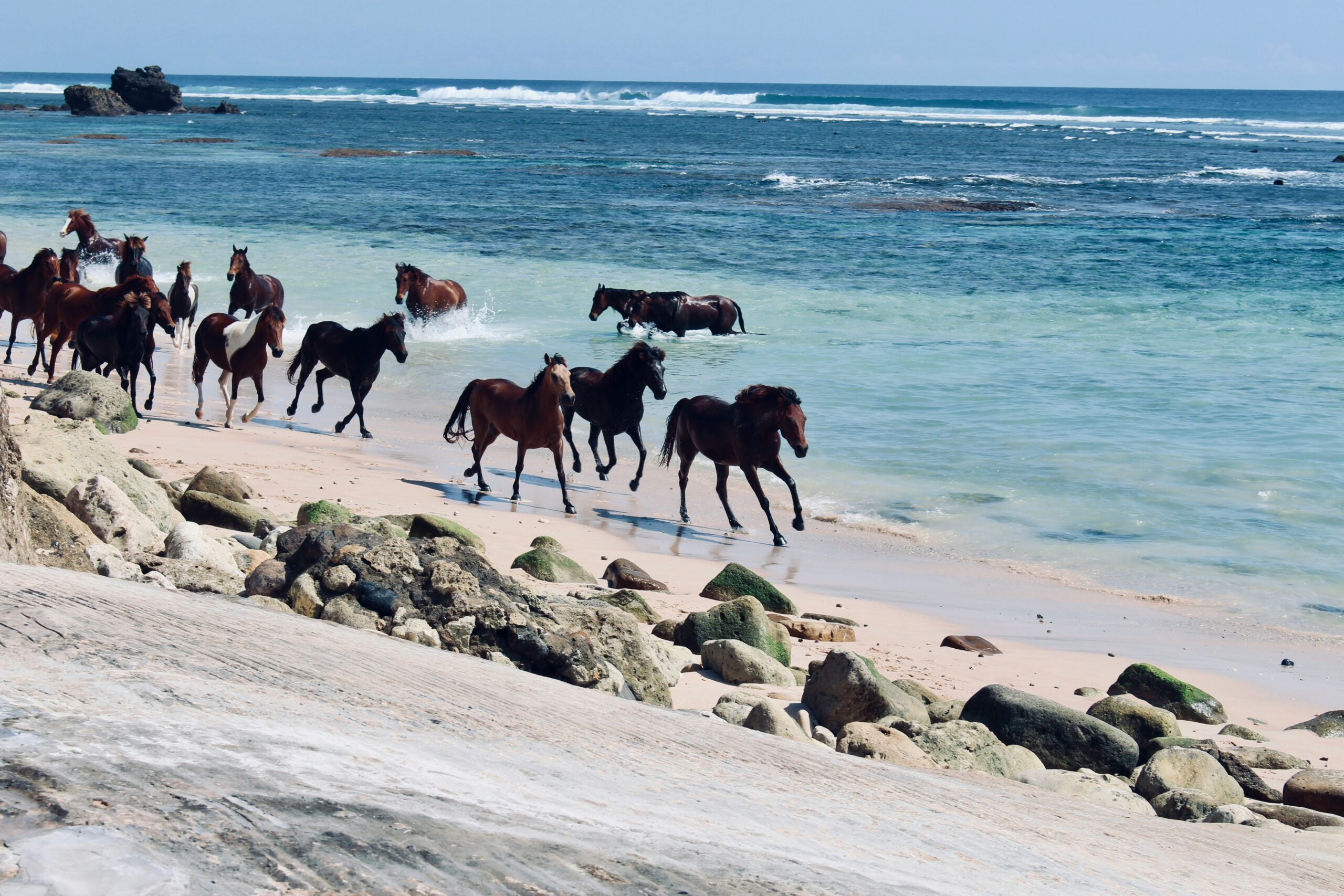
Dry wind comes through a window left slightly open. Outside, copper-toned grasslands roll out to the edge of the hills, with the occasional silhouette of a wild horse standing still in the distance. No horns, no tour groups in matching shirts. Just a thin layer of dust, open sky, and a dirt road that keeps winding ahead. That is Sumba, an island in East Nusa Tenggara that has long preferred to stay under the radar. For anyone serious about exploring Sumba, this is the place that will change how you think about traveling in Indonesia.
Sumba is not Bali. And that is precisely the point.
Why Exploring Sumba Feels Different from Anywhere Else in Indonesia
Sumba is an island that refuses to be easy. The roads can be rough, access takes commitment, and most of its beaches have no official name on Google Maps. That is also what makes it worth it. This island still holds landscapes that have not been repackaged for mass consumption.
The savanna here looks nothing like the African plains shown in documentaries. Dry copper-colored grass stands across rolling hills, and below them stretches the dark southern sea. No safari jeeps, no guard rails. Just a dirt track and uninterrupted views in every direction.
Geographically, Sumba sits between Komodo and Sumbawa, still within East Nusa Tenggara Province. A flight from Bali to Tambolaka Airport (TMC) takes about 1.5 hours, short enough for a destination that feels this far from everything familiar.
Wairinding Savanna: The Most Iconic Landscape in East Sumba
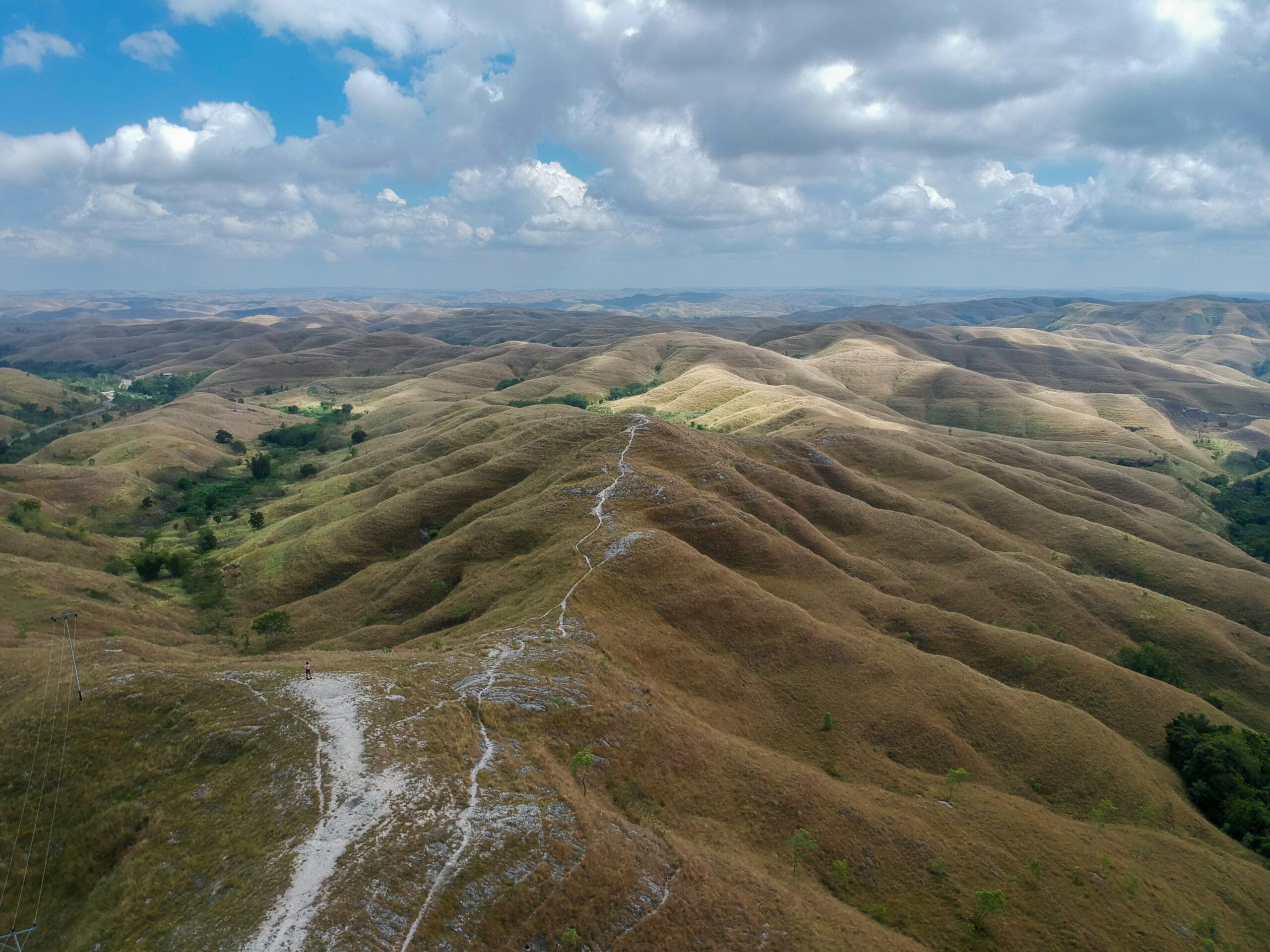
If there is one place that tends to stop people mid-sentence while exploring Sumba, it is Wairinding Hill. The view from the top spreads across layered savanna ridges that look almost cinematic, except there is no film crew and no entrance fee worth mentioning.
The best time to visit is late afternoon, around 4:00 to 5:30 PM local time, when the sun drops low and long shadows trace the contours of each slope. The golden light at that hour transforms the dry grass into something that photographs cannot fully capture.
Wairinding sits in East Sumba, and the overland journey from West Sumba passes scenery that holds its own: traditional villages, horse paddocks, and local markets that only open on certain days of the week.
Weekuri Lagoon: A Hidden Saltwater Lake at the Edge of the Cliffs
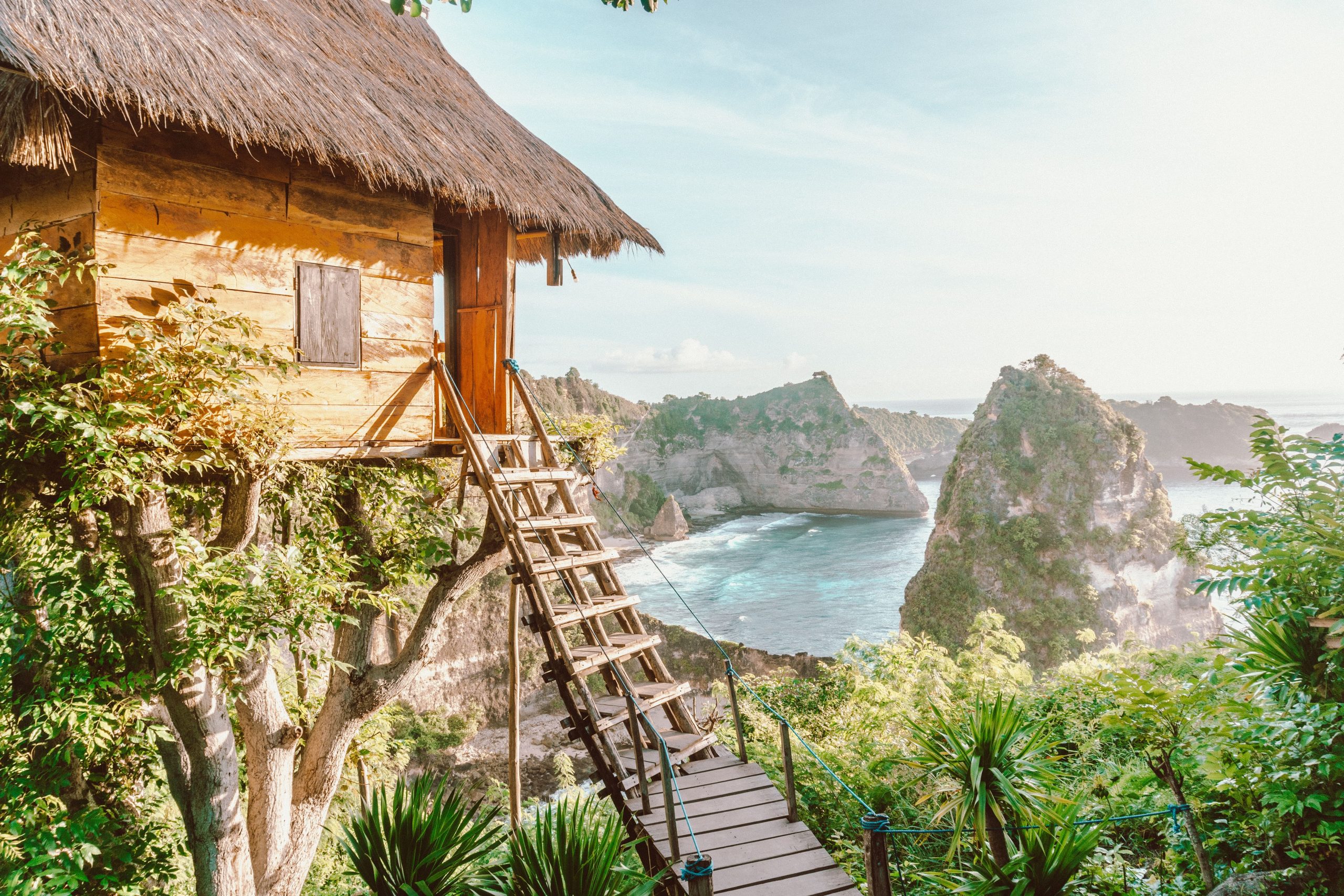
One of the most unexpected moments while exploring Sumba is coming across Weekuri Lagoon, a naturally formed saltwater pool tucked behind limestone cliffs on the West Sumba coast. The water is calm, shallow, and noticeably warm in the morning because the pool is largely sheltered from the open ocean swell.
Arrive before 9:00 AM, before other groups show up. The lagoon is small, and the stillness of early morning is part of the experience that nothing else can replace.
Ratenggaro: A Living Megalithic Village with Uma Kelada Houses
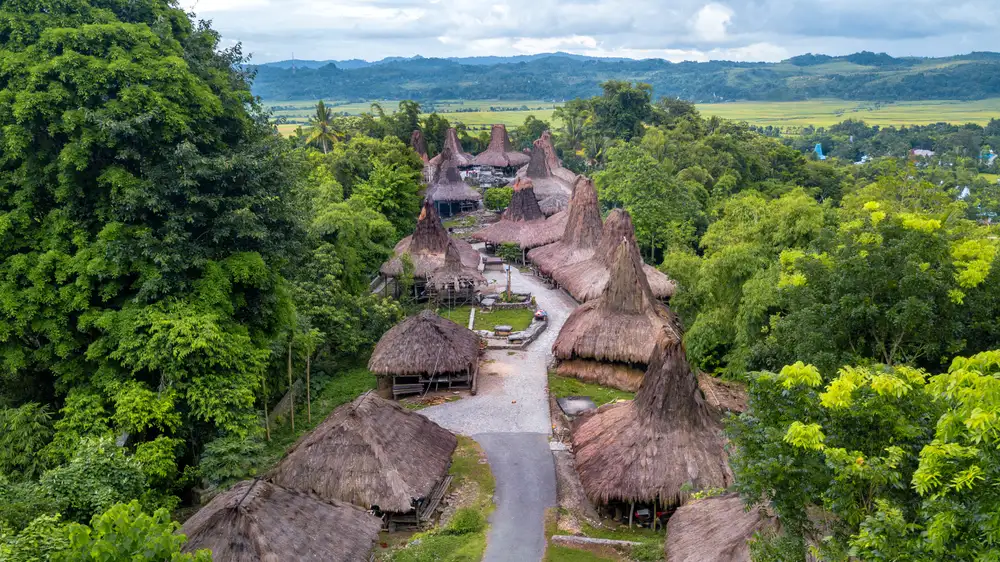
Exploring Sumba without stepping into one of its traditional villages is like reading a book and skipping the most important chapter. Ratenggaro is one of the megalithic villages that people still actually live in, with tall-pillared Uma Kelada clan houses and stone megalithic tombs scattered between the homes.
This is not an open-air museum. People here cook, raise children, and go about their days among buildings that are hundreds of years old. Visit with patience and respect, no rushing through, no pointing cameras at faces without permission, and this village can become one of the most memorable stops of any trip.
UNESCO recognizes the significance of Sumba’s megalithic traditions within the broader context of Southeast Asian cultural heritage. For a deeper understanding of that background, the UNESCO Intangible Cultural Heritage page is worth reading before you go.
Mandorak Beach: The Hidden Gem Most Visitors Never Find
Among all the beaches scattered along Sumba’s western coast, Mandorak is one of the least mentioned. That is probably why it still qualifies as a hidden gem. Getting there takes some effort: a rocky dirt track, no warungs along the way, no umbrella rentals waiting at the shore.
What you get instead is a long stretch of white sand, strong southern swells, and the feeling of arriving somewhere that has not yet made it onto anyone else’s itinerary.
Walakiri Beach: The Most Iconic Sunset in East Sumba
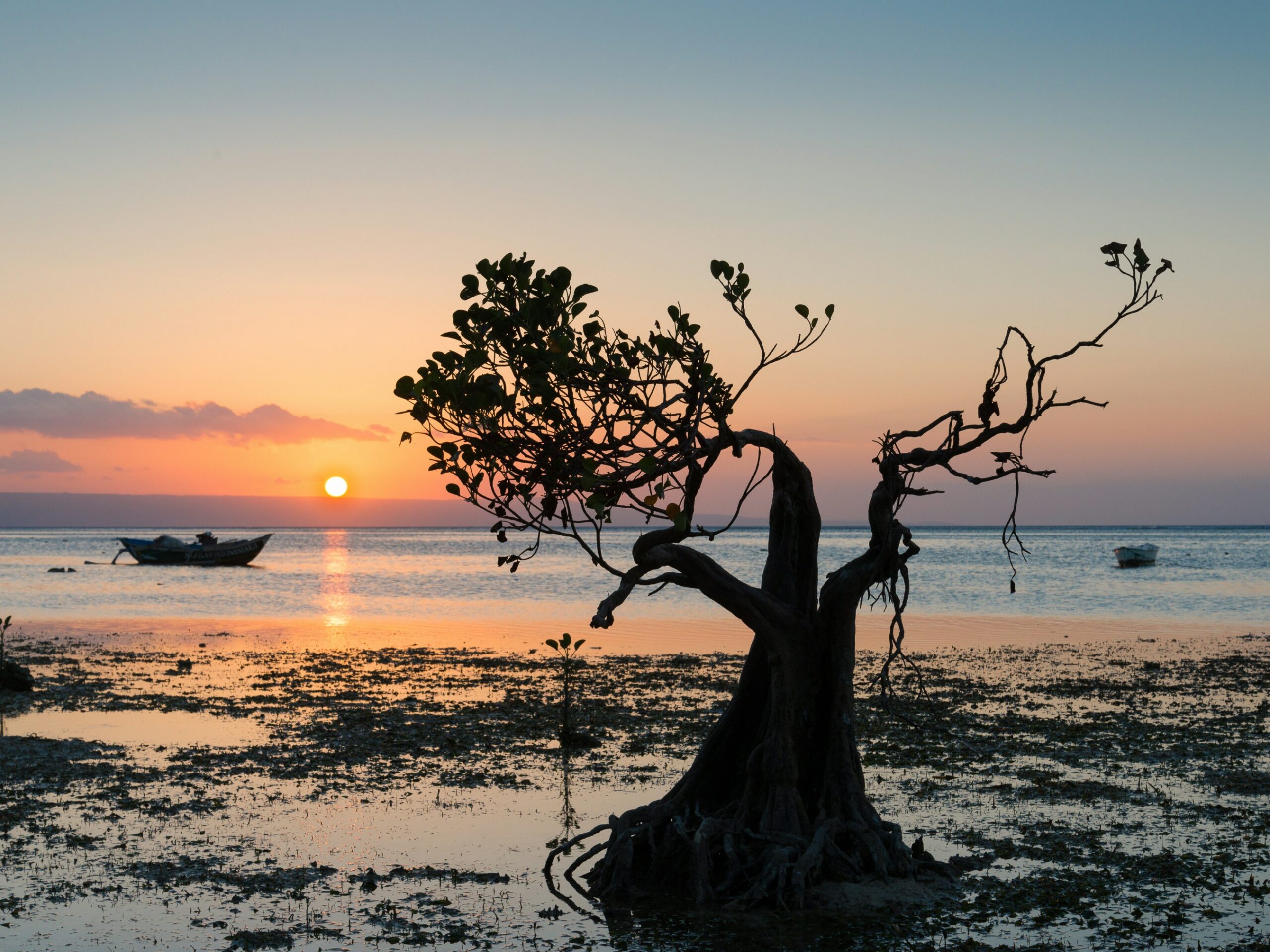
Where Mandorak suits quiet and solitude, Walakiri Beach in East Sumba offers a different kind of visual experience. Small mangrove trees stand in shallow water at high tide, with the sun setting directly behind them. The beach is already known among travel photographers, but arriving at the right time, roughly 5:30 to 6:30 PM local time, still delivers something that does not feel crowded or overrun.
At low tide, the mangroves stand upright on wet sand, and their silhouettes against the fading light are the image most closely associated with East Sumba.
Praijing Village: Sumba’s Traditional Houses on a Hill
Praijing is one of the most visited traditional villages in West Sumba, and for good reason. The Uma Mbatangu clan houses with their towering cone-shaped roofs sit on a hillside, giving the village a silhouette that is immediately recognizable. Unlike some villages that feel staged for visitors, Praijing is still genuinely inhabited.
Walking through in the morning, before the midday heat sets in, you will find women weaving on wooden looms outside their homes, children heading to school past stone megalithic tombs, and elders sitting in the shade of doorways that have been standing for generations. It is the kind of place that rewards slowing down.
Lapopu Waterfall: A Tiered Cascade in the Green Heart of West Sumba
Hidden within the forested interior of West Sumba, Lapopu is a multi-tiered waterfall dropping from a stone cliff face. In the dry season, the flow is gentler but still a welcome relief after a long overland drive. In the wet season, the volume picks up considerably, and you can hear the roar of the water before you see it through the trees.
A visit to Lapopu is usually paired with Weekuri Lagoon and Praijing Village in a single day, a practical format for making the most of time in West Sumba.
When to Go: The Best Season for Exploring Sumba
The best window for exploring Sumba is between March and November, when the weather stays relatively dry and the roads are more manageable. Outside this period, rainfall can make certain routes harder to navigate, especially the overland stretch from West to East Sumba.
Sumba is not a destination suited to rushed itineraries. Distances between sites are significant, and the roads through the interior take longer than any map suggests.
Our Travelers Have Experienced It
Here are sailing packages from Travass.life that give you structure while allowing a better travel rhythm: