3 Days Exploring Komodo by Boat: Pink Beach, Padar Island and Beyond
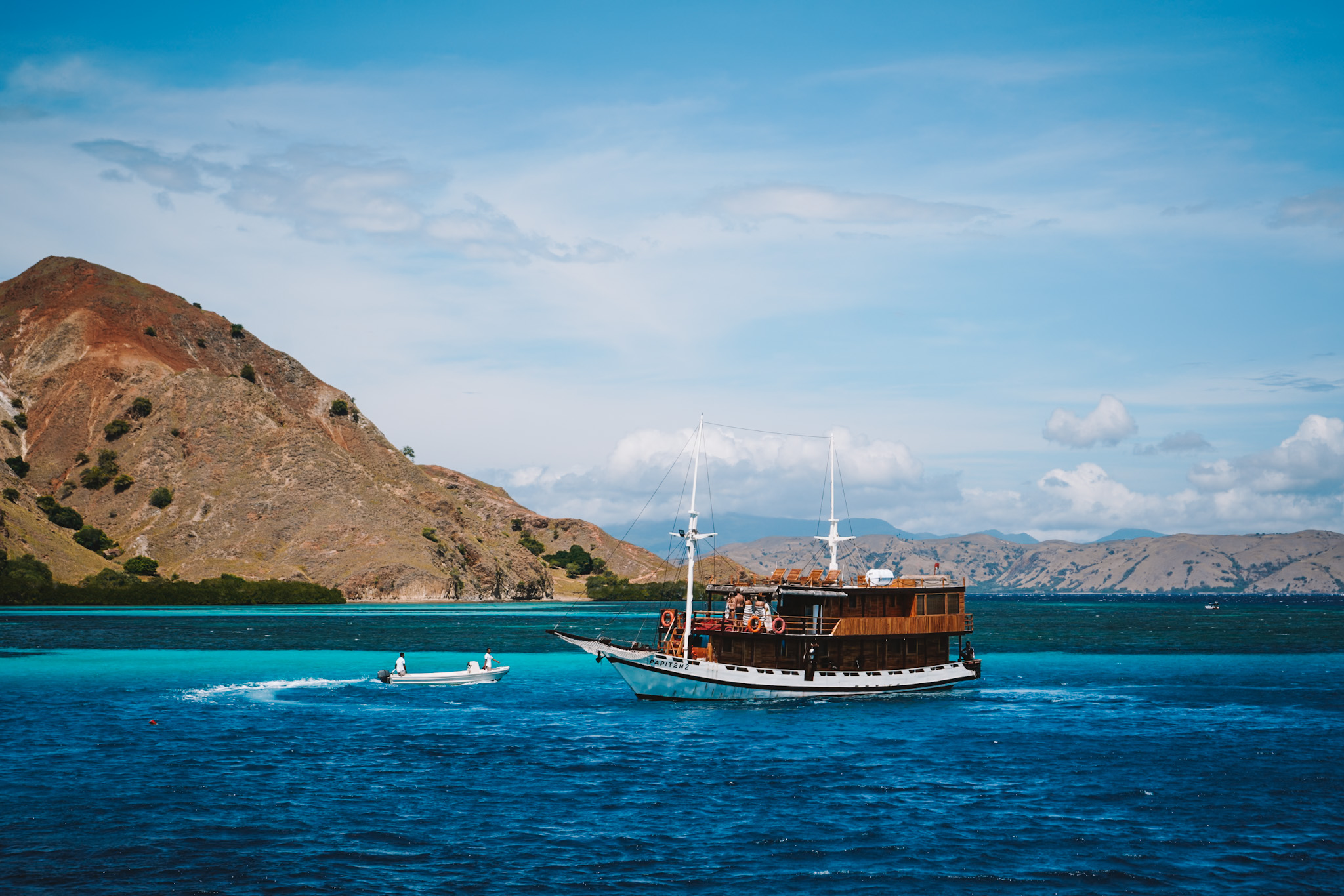
Mesin mati, dan sesaat hanya terdengar suara air yang menghantam lambung kapal. Matahari belum sepenuhnya terbit, dan siluet Pulau Padar tampak di cakrawala, gelap dan bergerigi di langit yang pucat. Seseorang mengoperkan kopi dari dapur kecil kapal. Beginilah rasanya menjelajahi Komodo dengan perahu sebelum hari dimulai, air yang tenang, udara asin, dan terungkapnya secara perlahan salah satu bentang laut paling beragam di Asia Tenggara.
Why a Boat Trip Is the Only Way to See Komodo Properly
The park spans dozens of islands, and the distances between them make day trips from shore impractical for anyone who wants more than a surface-level experience. A sailing trip, typically three days and two nights, lets you move through the park at its own pace, reaching spots before other boats arrive and staying on the water after most tours have turned back.
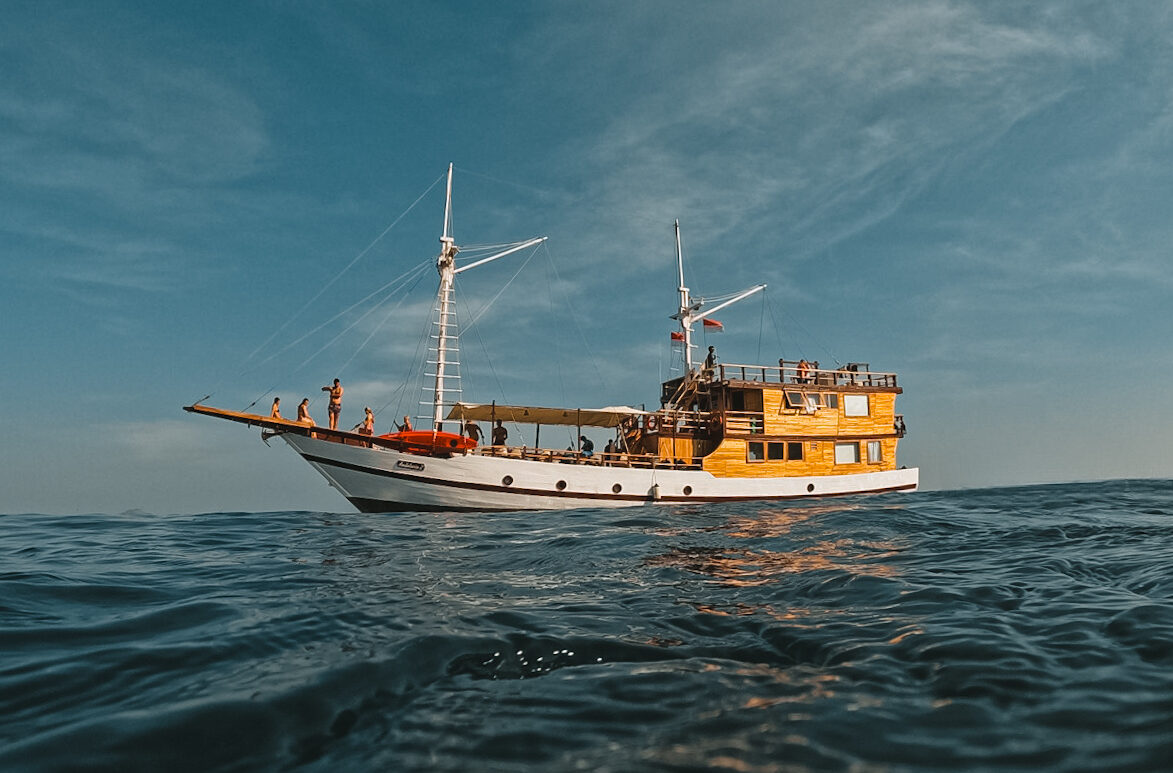
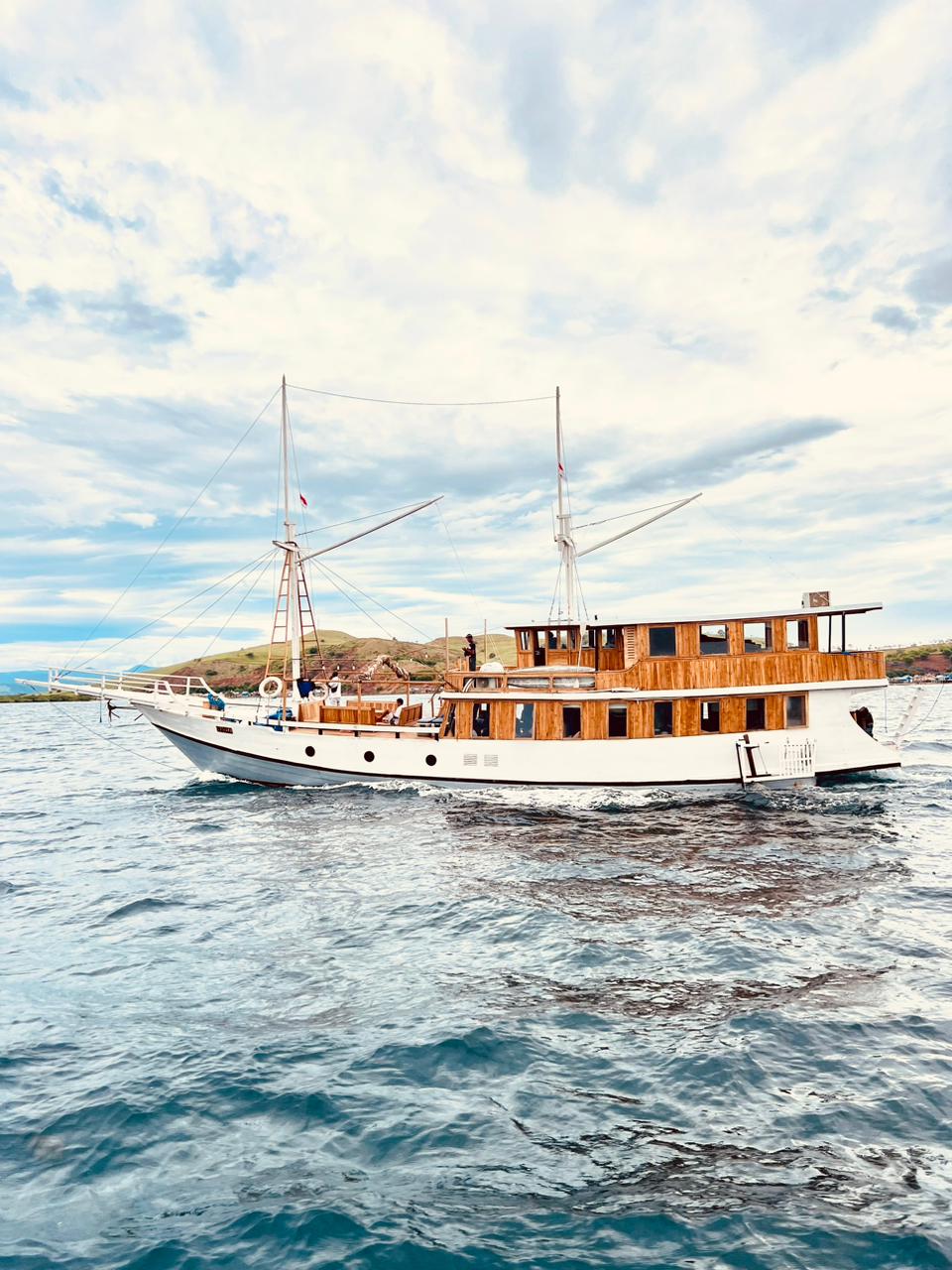
Travass.life runs Komodo sailing trips aboard phinisi vessels departing from Labuan Bajo, the gateway town on the western tip of Flores. Their fleet includes boats built in Ara, Sulawesi using traditional phinisi craftsmanship, carrying between 10 and 12 passengers per trip. The size matters. Smaller groups mean quieter anchorages, faster snorkel entries, and a crew that actually knows your name by the second morning.
Komodo National Park is recognized as a UNESCO World Heritage Site, both for its marine biodiversity and for being the natural habitat of the Komodo dragon. More background on the park’s ecological significance is available through the UNESCO World Heritage listing.
Day 1: Siaba Island, Manta Point, Taka Makassar and Padar Island Sunset
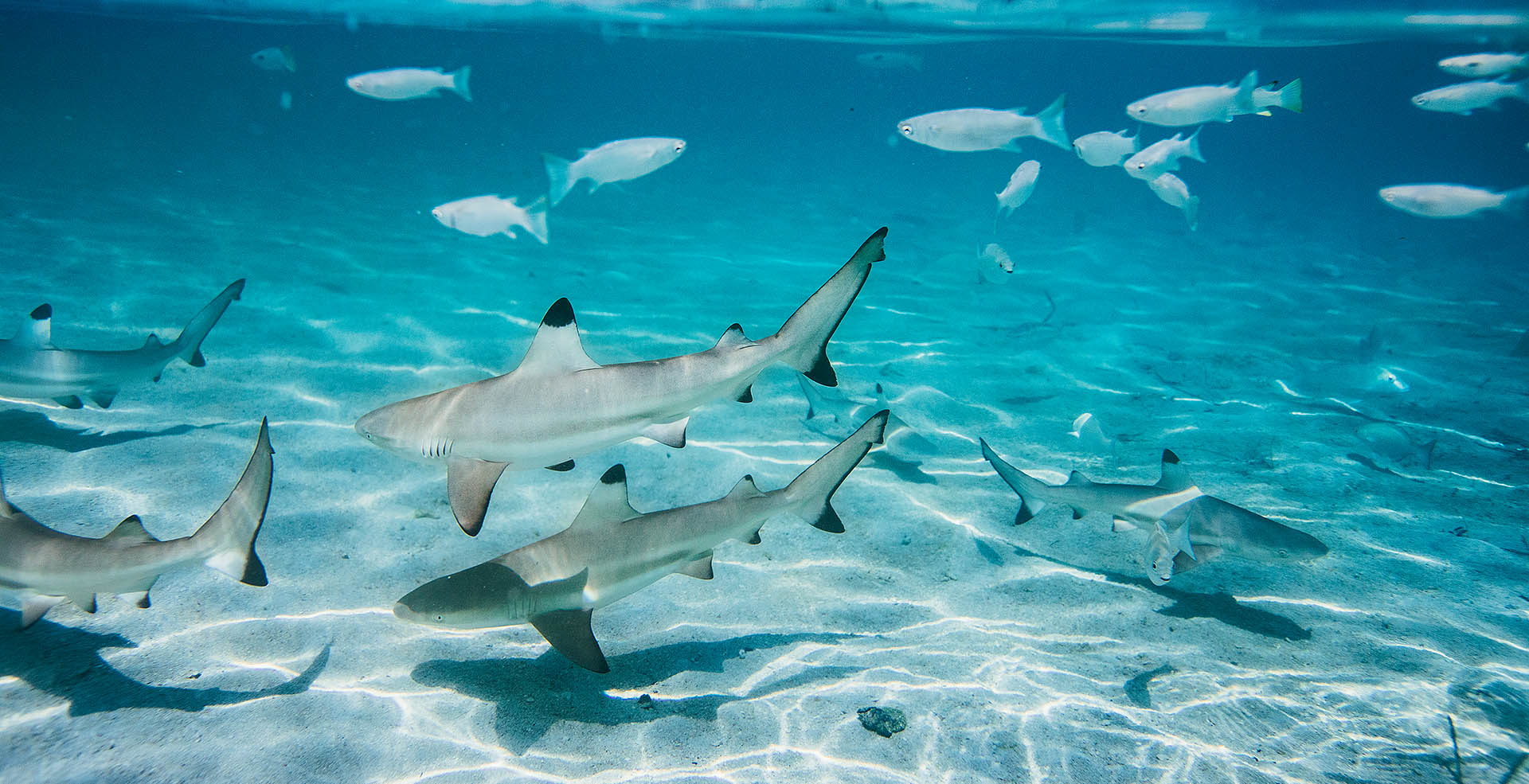
Pickup from your hotel in Labuan Bajo is between 7:30 and 8:00 AM. The boat departs shortly after, heading first to Siaba Island, known for its calm waters and good snorkeling. Sea turtles are commonly spotted here, moving slowly along the reef without paying much attention to swimmers nearby.
From Siaba, the boat moves to Manta Point. This is an open-water site where manta rays gather near the surface to feed on plankton. The current can run strong, and the mantas move quickly. You need to be comfortable in open water and ready to swim hard to keep pace. When conditions line up, you are in the water alongside animals with wingspans wider than most people are tall.
Next is Taka Makassar, a thin white sandbar rising just above the waterline with open ocean on all sides. At low tide you can stand on it in ankle-deep water. There is nothing to it except the view, which is exactly the point.
The day ends at Padar Island for sunset. The trail to the viewpoint takes 30 to 45 minutes and brings you above three bays separated by dark ridges. Watching the light leave this landscape from the top, with the water shifting between shades below, is a different experience from the morning version most visitors see. The boat anchors for the night after this, and dinner is served on board.
Day 2: Pink Beach, Komodo Island, Pempe Island and Kalong Island
Pink Beach comes first in the morning. The color of the sand comes from fragments of red coral mixed into the white, and it is one of only a handful of beaches like it in the world. Snorkeling directly off the shore puts you over coral gardens dense with reef fish. The light is good in the morning, which makes underwater visibility noticeably better than later in the day.
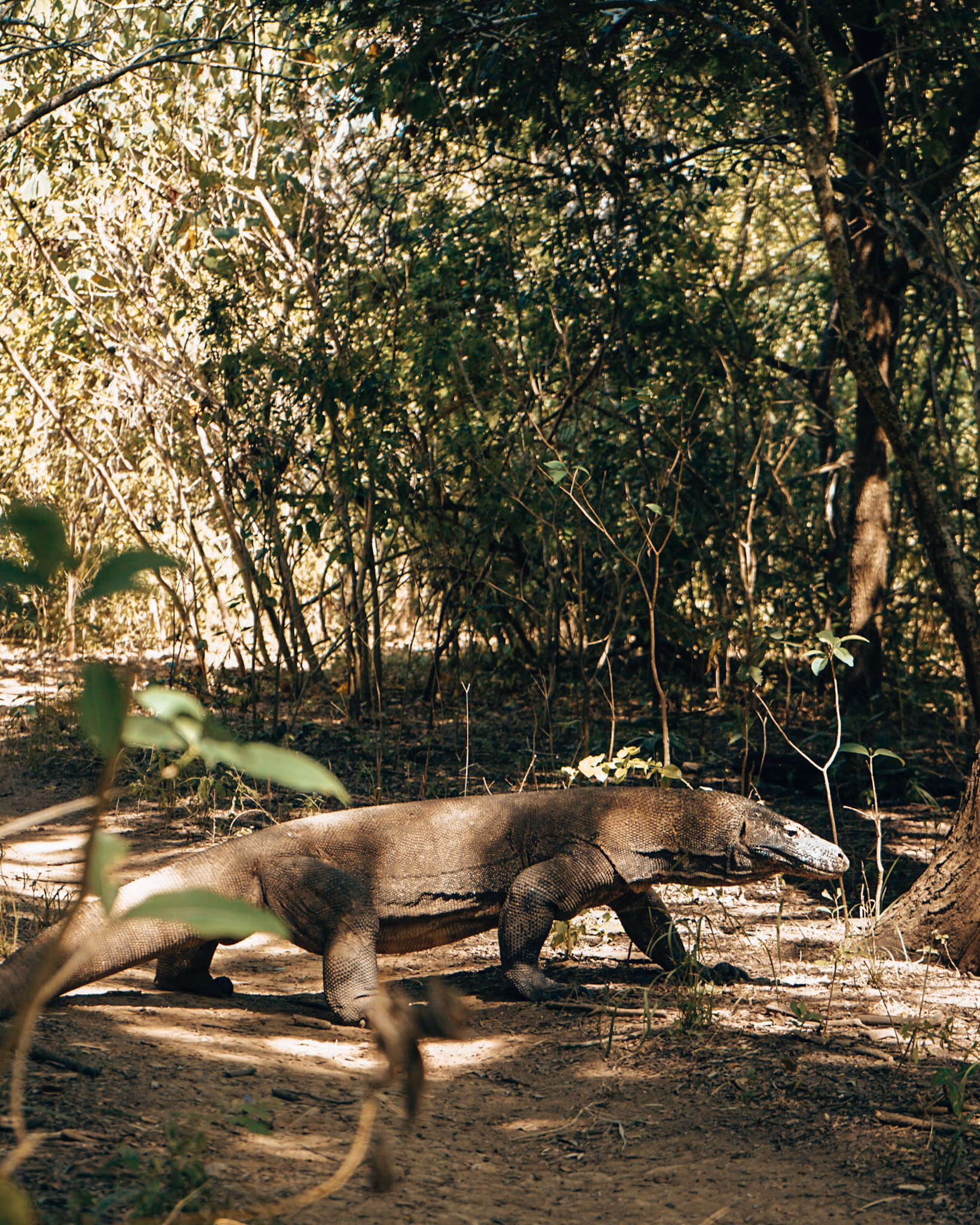
From Pink Beach, the boat heads to Komodo Island for the dragon encounter. Rangers accompany every group on the trek through the island’s dry forest interior. The Komodo dragon is genuinely wild here, and seeing one up close in its actual habitat is a different experience from anything a zoo or documentary prepares you for. They move faster than they look, so stay with your ranger.
The afternoon stop is Pempe Island, a quieter spot for swimming and relaxing on the water. Then comes Kalong Island at sunset, where hundreds of thousands of flying foxes leave their roost in a continuous stream that takes 20 minutes or more to fully empty out. Being on deck when this happens, with the last light of the day behind them, is one of those things that is hard to describe accurately to someone who has not seen it.
Day 3: Manjarite Island, Kelor Island and Back to Labuan Bajo
The final morning begins at Manjarite Island, a good snorkeling spot with reef life that rewards an early start. The water is often calmer here before the wind picks up through the day.
The last stop before heading back is Kelor Island, a small green hill rising steeply from the sea. A short climb to the top gives you a wide view across the surrounding water and islands. It is a fitting last image of the park before the boat turns back toward Labuan Bajo, arriving at 12:00.
What to Expect on Board the Fortuna
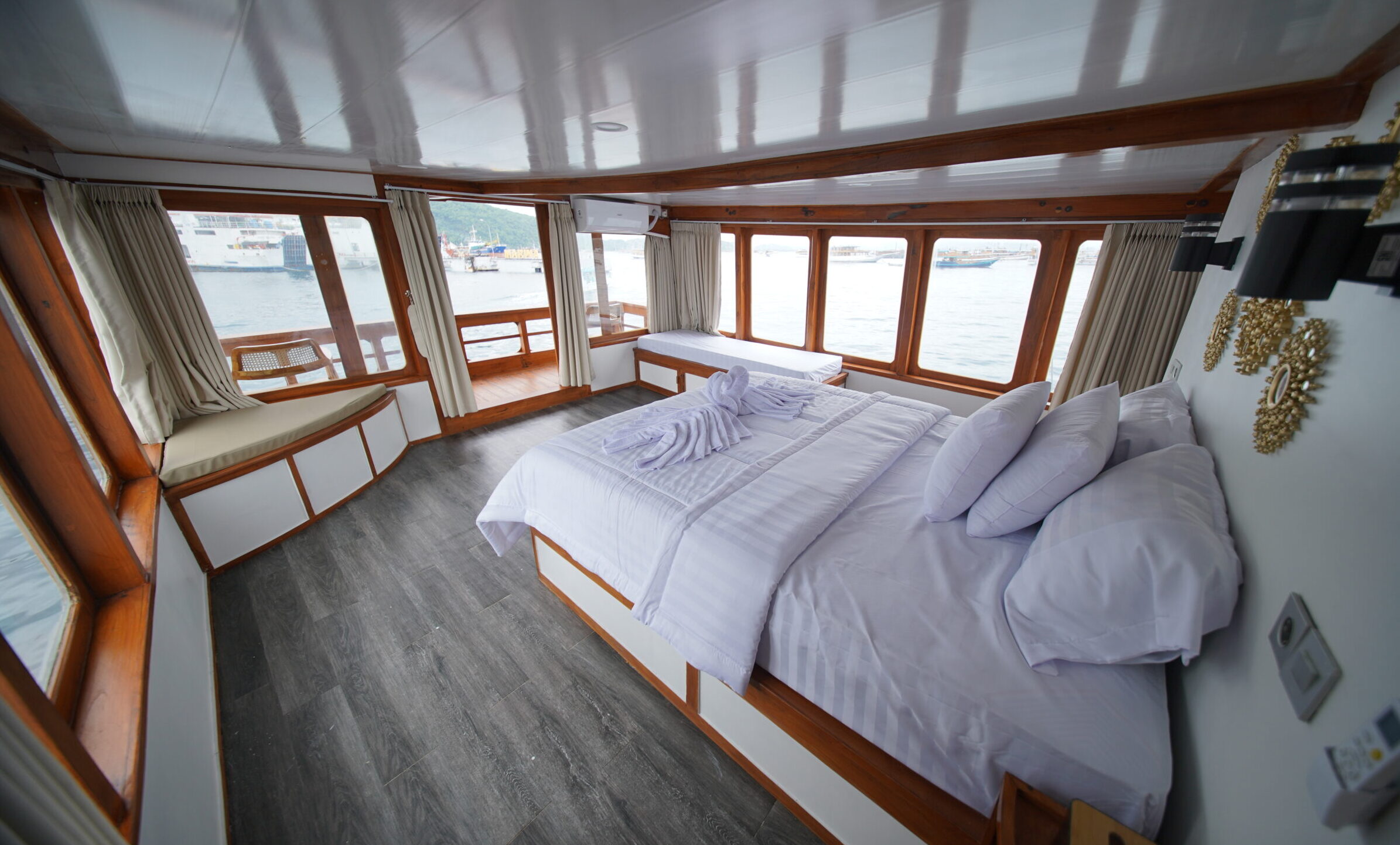
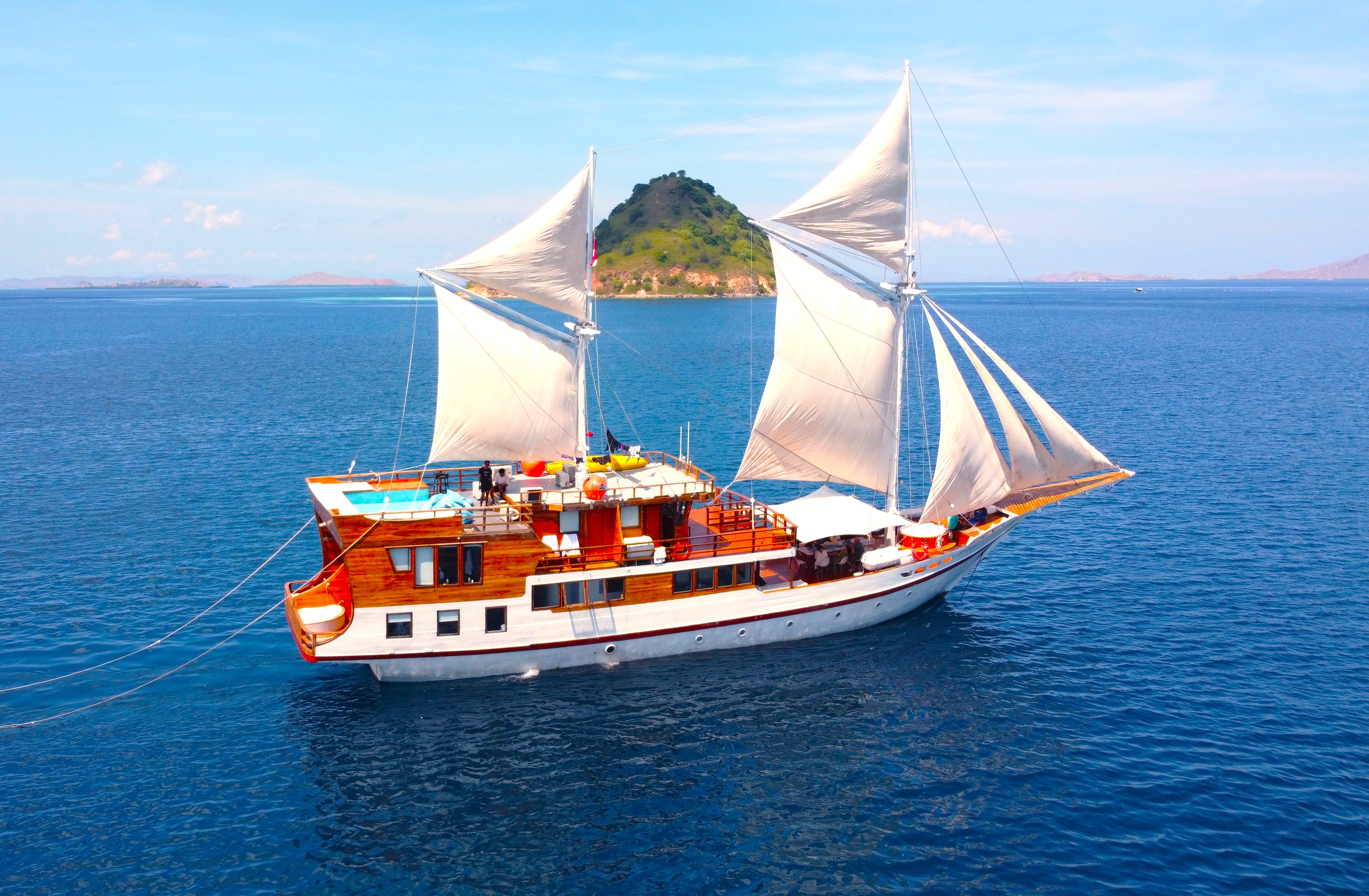
The Fortuna is one of the boats in the Travass.life fleet operating this 3D2N itinerary. Built in the traditional phinisi style, it features cabins with private balconies, which sets it apart from most boats running similar routes in the park. Having a private outdoor space at sea level, with water on three sides, changes what mornings and evenings feel like on a trip like this.
All meals are included and cooked fresh on board. Coffee, tea, and snacks are available through the day. Group sizes stay small enough that the crew and guides can give proper attention to every person on board.
A few practical notes before you go: National Park entrance, snorkeling, trekking, and ranger fees are not included in the trip. These are collected directly by the park for Indonesian and non-Indonesian travelers at different rates. A drone permit is also required separately if you plan to fly one at Padar Island.
Best Time for Exploring Komodo by Boat
The dry season from April through October offers the most consistent conditions for exploring Komodo by boat. Winds are lighter, seas are calmer, and underwater visibility at spots like Manta Point and Siaba Island is at its clearest.
The wet season runs from November through March. Trips still operate, and some travelers prefer this period for the greener hillsides and fewer visitors in the park. Conditions on the water can be rougher, so it helps to have sea legs or a preference for the dramatic.
Our Travelers Have Experienced It
Here are sailing packages from Travass.life that give you structure while allowing a better travel rhythm: