When most travelers think about Komodo National Park, they immediately picture the legendary Komodo dragon. Yet beyond the famous reptiles lies Komodo Village, a small coastal community where people have lived in harmony with nature for generations.
For centuries, local families have adapted to life on the island, sharing their environment with one of the world’s most remarkable wildlife species. Visiting Komodo Village offers travelers a rare opportunity to experience not only breathtaking scenery but also the traditions, hospitality, and resilience of the people who call this extraordinary island home.
Unlike destinations focused solely on wildlife, this village reveals the human story behind one of Indonesia’s most iconic national parks.
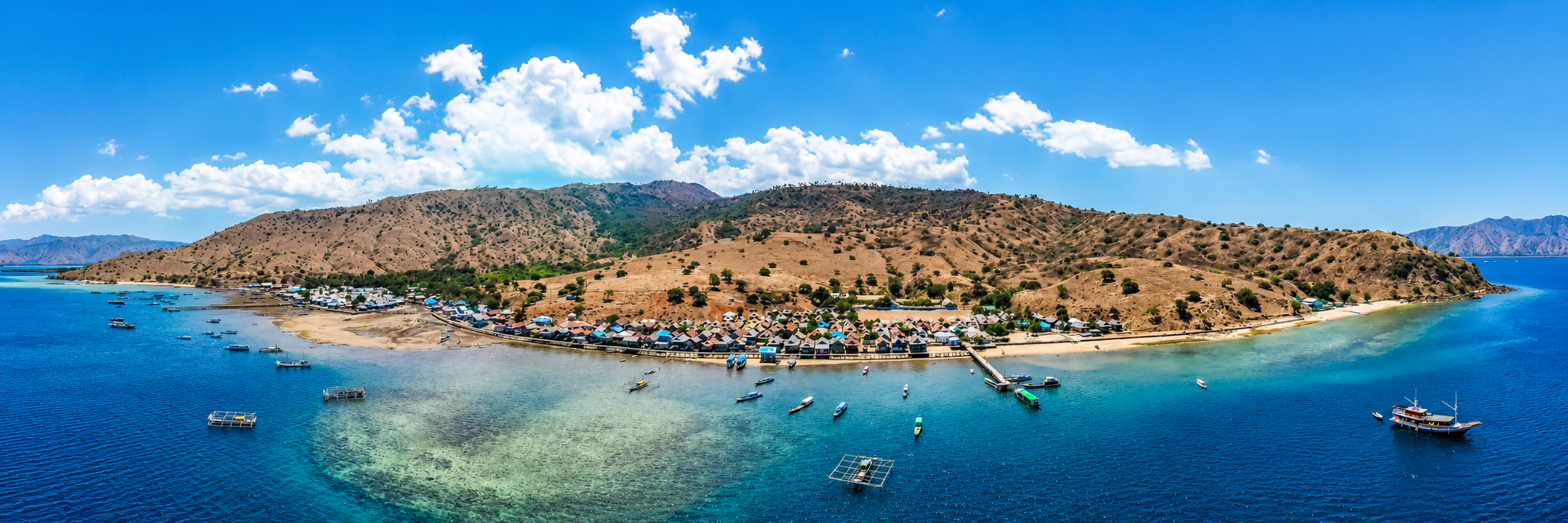
Located on Komodo Island in East Nusa Tenggara, Komodo Village sits within the boundaries of UNESCO-listed Komodo National Park.
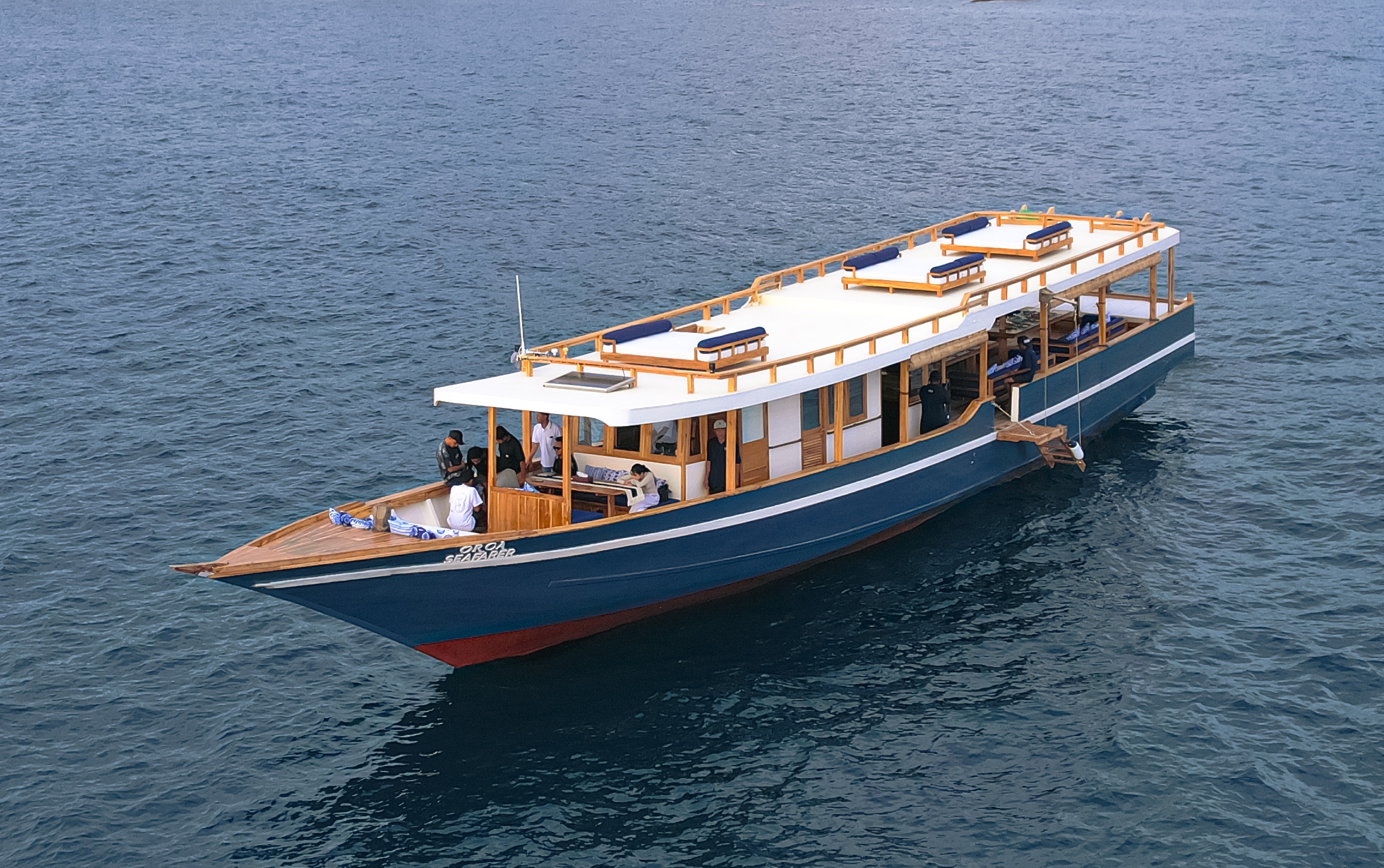
The village is commonly visited as part of island-hopping tours departing from Labuan Bajo. Travelers usually arrive by speedboat or traditional phinisi vessel before continuing their journey to nearby attractions such as Padar Island, Pink Beach, Kalong Island, and Manta Point.
Although tourism has grown significantly over the past decade, the village continues to preserve its traditional atmosphere while welcoming visitors from around the world.
One of the most fascinating aspects of Komodo Village is the long-standing relationship between its residents and the Komodo dragon.
Unlike most places where dangerous wildlife is separated from human settlements, local communities have learned how to coexist with these powerful reptiles through knowledge passed down across generations.
Park rangers and conservation authorities work closely with villagers to promote safety and protect both people and wildlife. Visitors are encouraged to follow local guidance, remain with experienced guides, and respect the natural behavior of the dragons during their visit.
This balance between conservation and community life has become one of the defining characteristics of the village.
Beyond its wildlife, the village offers valuable cultural experiences.
Most residents earn a living through fishing, tourism, and small-scale businesses. Traditional wooden houses line the shoreline, while colorful fishing boats can often be seen returning with the day’s catch.
Local customs remain an important part of everyday life. Visitors may observe traditional weaving, handcrafted souvenirs, and community gatherings that reflect the island’s cultural heritage.
The warmth and friendliness of the local people make every visit feel authentic and memorable.
Life in the village moves at a slower pace than in Indonesia’s larger cities.
Children walk to school each morning, fishermen prepare their boats before sunrise, and families gather along the waterfront as the day comes to an end.
Electricity, fresh water, and transportation have improved over the years, yet many aspects of daily life continue to reflect the island’s strong connection with nature.
Travelers who spend time exploring the village gain a deeper understanding of how local communities have adapted to the unique environment surrounding them.
As visitor numbers continue to grow, sustainable tourism plays an increasingly important role in protecting both the environment and local culture.
Many tourism initiatives encourage travelers to support locally owned businesses, hire certified guides, and minimize their environmental impact while exploring the national park.
Conservation efforts also help preserve the habitat of the Komodo dragon, ensuring that future generations can continue witnessing one of the world’s most extraordinary wildlife species in its natural environment.
Responsible travel benefits not only wildlife but also the families who depend on tourism for their livelihoods.
The easiest way to reach the village is by joining a day trip or multi-day phinisi cruise from Labuan Bajo.
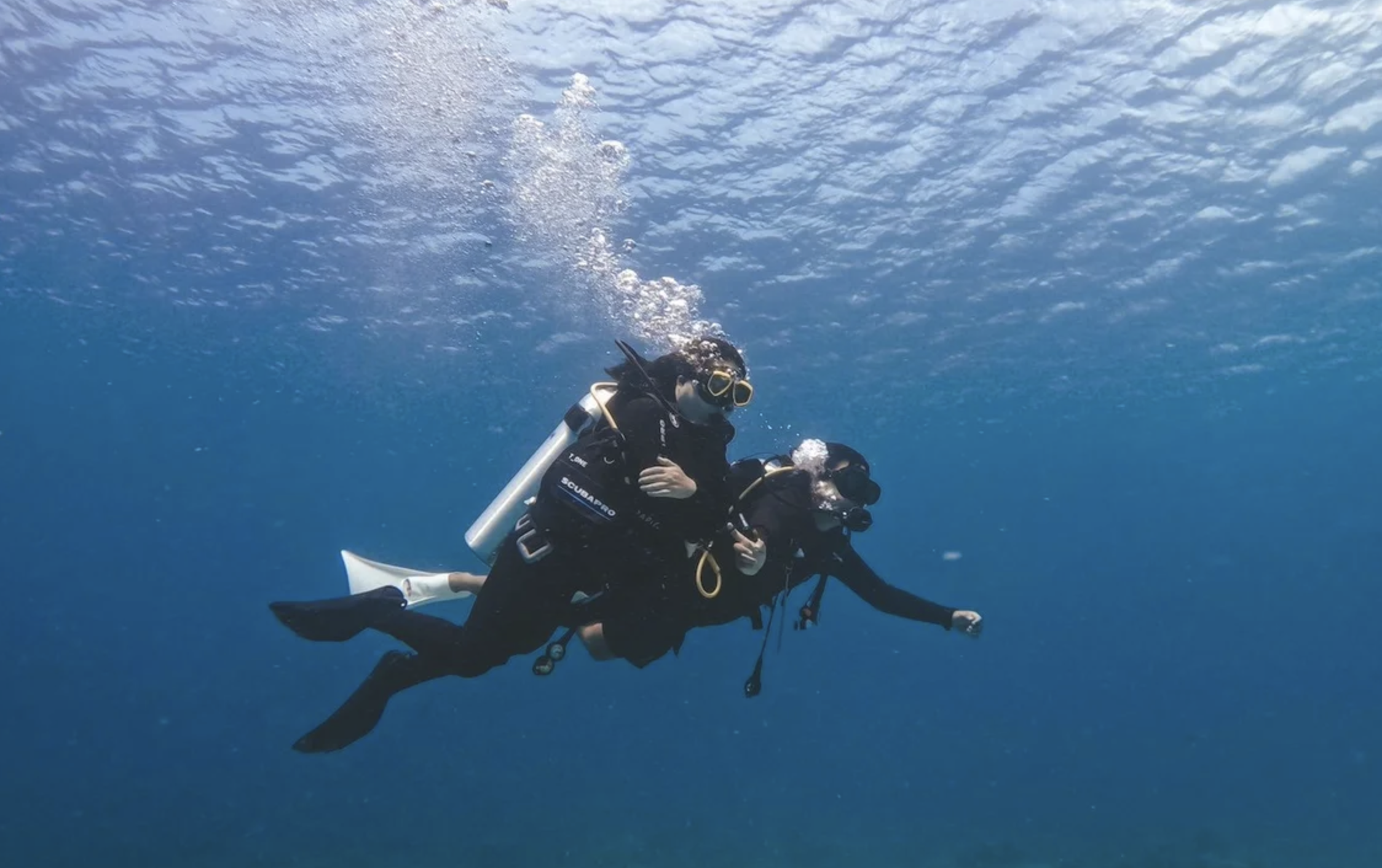
Most tours combine several destinations within Komodo National Park, allowing travelers to experience hiking, snorkeling, wildlife observation, and cultural visits in a single itinerary.
The best time to visit is between April and October when weather conditions are generally favorable for sailing and outdoor activities.
Comfortable footwear, sun protection, and drinking water are recommended, especially during village walks and trekking activities.
Many travelers arrive expecting to see dragons, but they leave with a deeper appreciation for the people who have shared this remarkable landscape for generations.
Komodo Village is more than a stop on an island-hopping itinerary. It is a living community where culture, conservation, and nature come together in a way that few destinations can offer.
By visiting respectfully and supporting local communities, travelers become part of a sustainable tourism journey that helps preserve both the village’s traditions and the extraordinary ecosystem of Komodo National Park.
If you’re looking for an experience that combines authentic culture with unforgettable wildlife encounters, Komodo Village deserves a place on your travel itinerary.
Here are sailing packages from Travass.life that give you structure while allowing a better travel rhythm:
Choose how to reach us
We typically reply within minutes
This session has ended due to inactivity.