Have you ever wondered why photos of Komodo sometimes show vibrant green hills and other times display dramatic golden-brown landscapes? The answer is simple: there are 2 seasons in Komodo, and these unique Komodo Seasons create completely different experiences for visitors.
Located within Komodo National Park, the islands are famous not only for the legendary Komodo dragon but also for their stunning seasonal transformation. Understanding how Komodo Seasons form can help travelers choose the perfect time to visit.
The phrase There Are 2 Seasons in Komodo: Green Lush & Dry Brown refers to the dramatic appearance of the islands throughout the year. The contrast between these Komodo Seasons is one of the most fascinating natural phenomena in Indonesia.
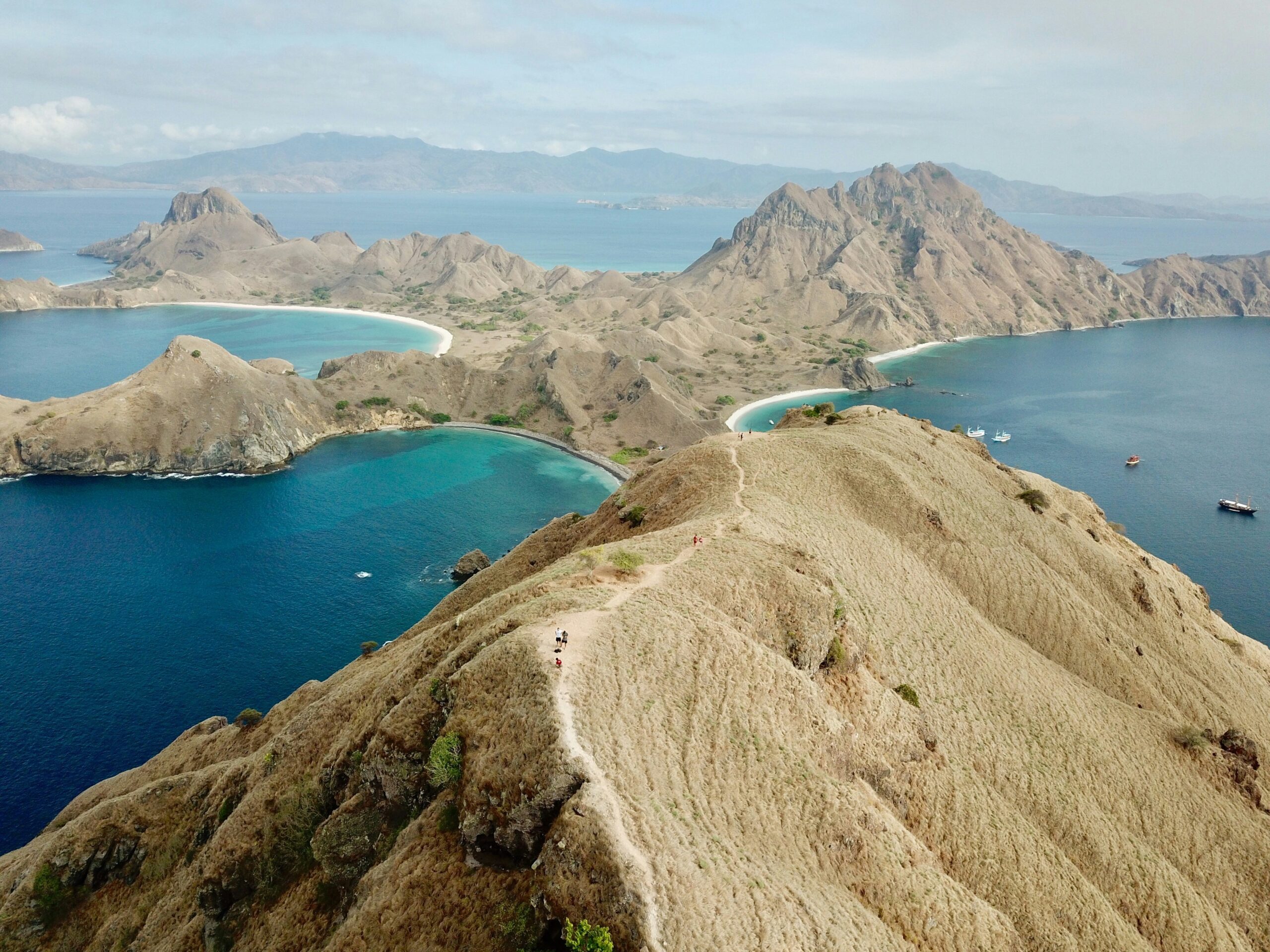
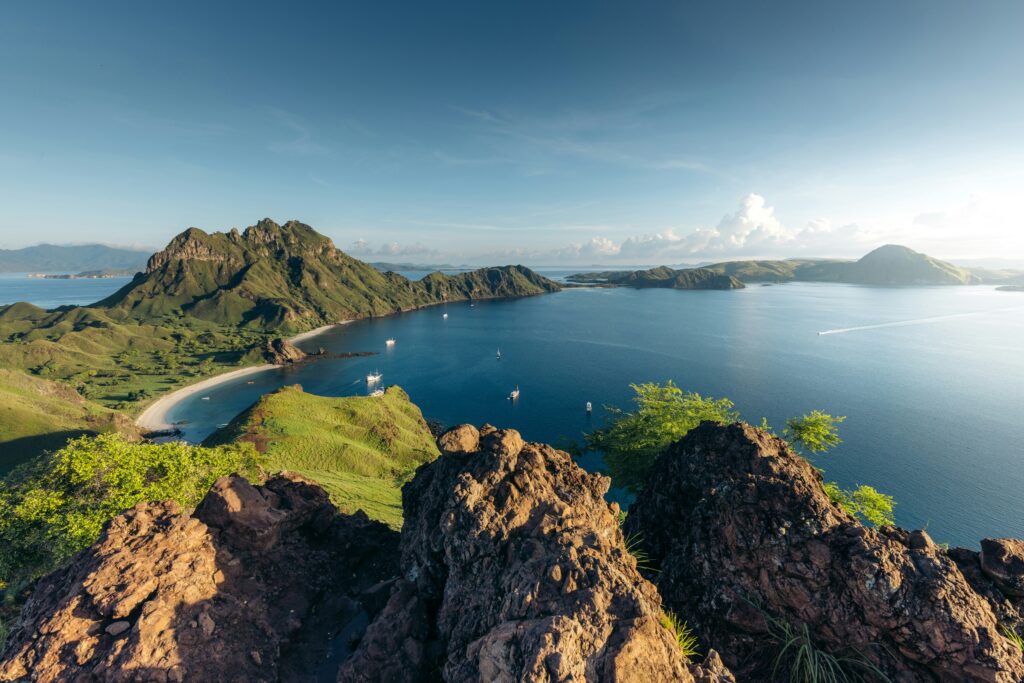
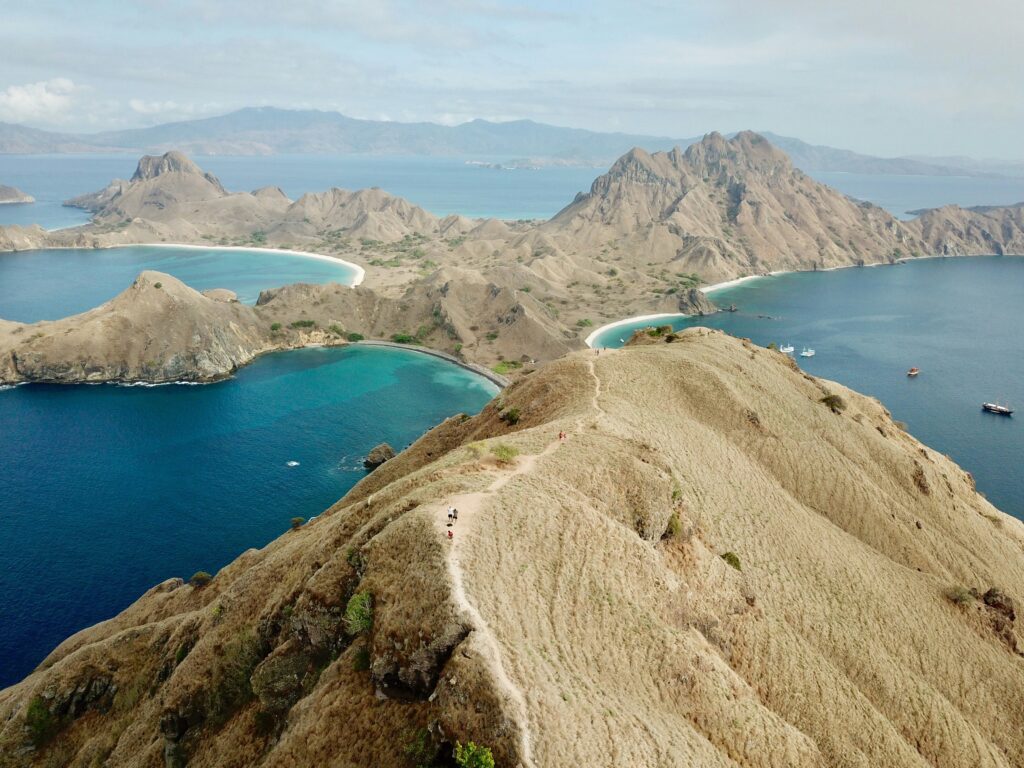
During the rainy season, the hills are covered with fresh green grass and vegetation, creating a tropical paradise. In contrast, the dry season transforms the same landscape into rolling golden and brown savanna-like hills.
This seasonal contrast is one of the reasons Komodo has become a favorite destination for photographers and nature enthusiasts who want to experience both Komodo Seasons.
The green season usually occurs between December and March.
During these months, rainfall increases across the islands of Komodo. The rain nourishes dormant grasses and plants that quickly grow and spread across the hills.
As vegetation flourishes, the islands become covered in vibrant shades of green. Valleys, cliffs, and coastal landscapes appear fresh and alive, creating some of the most picturesque views in Indonesia.
The increased moisture also supports a richer ecosystem, benefiting various wildlife species found throughout the national park. This period is often considered the most vibrant phase of the Komodo Seasons cycle.
For more information about Indonesia’s climate, visit Indonesia Meteorology Agency (BMKG).
The dry brown season generally occurs between April and November, with peak dryness from July to October.
As rainfall decreases significantly, grasses and shrubs begin to lose moisture. The intense tropical sun gradually dries the vegetation, turning the once-green hills into golden-brown landscapes.
Unlike many destinations where dry seasons can appear barren, Komodo’s dry season creates a spectacular visual effect. The rolling hills resemble vast savannas, offering a unique scenery rarely seen in Southeast Asia.
The reason behind Komodo Seasons lies in the region’s tropical monsoon climate.
Several factors contribute to this annual transformation:
1. Seasonal Rainfall
Rain stimulates plant growth during wet months.
2. Dry Tropical Winds
Dry winds accelerate moisture loss from vegetation.
3. Savanna Ecosystem
Much of Komodo consists of savanna grasslands rather than dense rainforest.
4. Intense Sunlight
Strong sunlight during the dry season quickly changes vegetation color.
Together, these natural processes create the remarkable seasonal cycle visitors experience every year.
Visit During Green Lush Season If You Want:
Visit During Dry Brown Season If You Want:
Both seasons offer unique experiences, making the destination worth visiting throughout the year. Many travelers plan their trips around Komodo Seasons to capture different scenery.
There is no universally “better” season.
Travelers seeking tropical beauty often prefer the green season, while photographers and hikers frequently choose the dry season for its iconic golden landscapes.
In reality, the answer depends on your personal travel style and visual preference.
Many returning visitors enjoy experiencing both seasons to fully appreciate how dramatically Komodo transforms over the course of a year.
For official information about visiting the park, check the Komodo National Park Official Information website.
Here are sailing packages from Travass.life that give you structure while allowing a better travel rhythm:
Choose how to reach us
We typically reply within minutes
This session has ended due to inactivity.