Is Pink Beach Really Pink? 5 Surprising Facts About How It Forms
Is Pink Beach Really Pink?
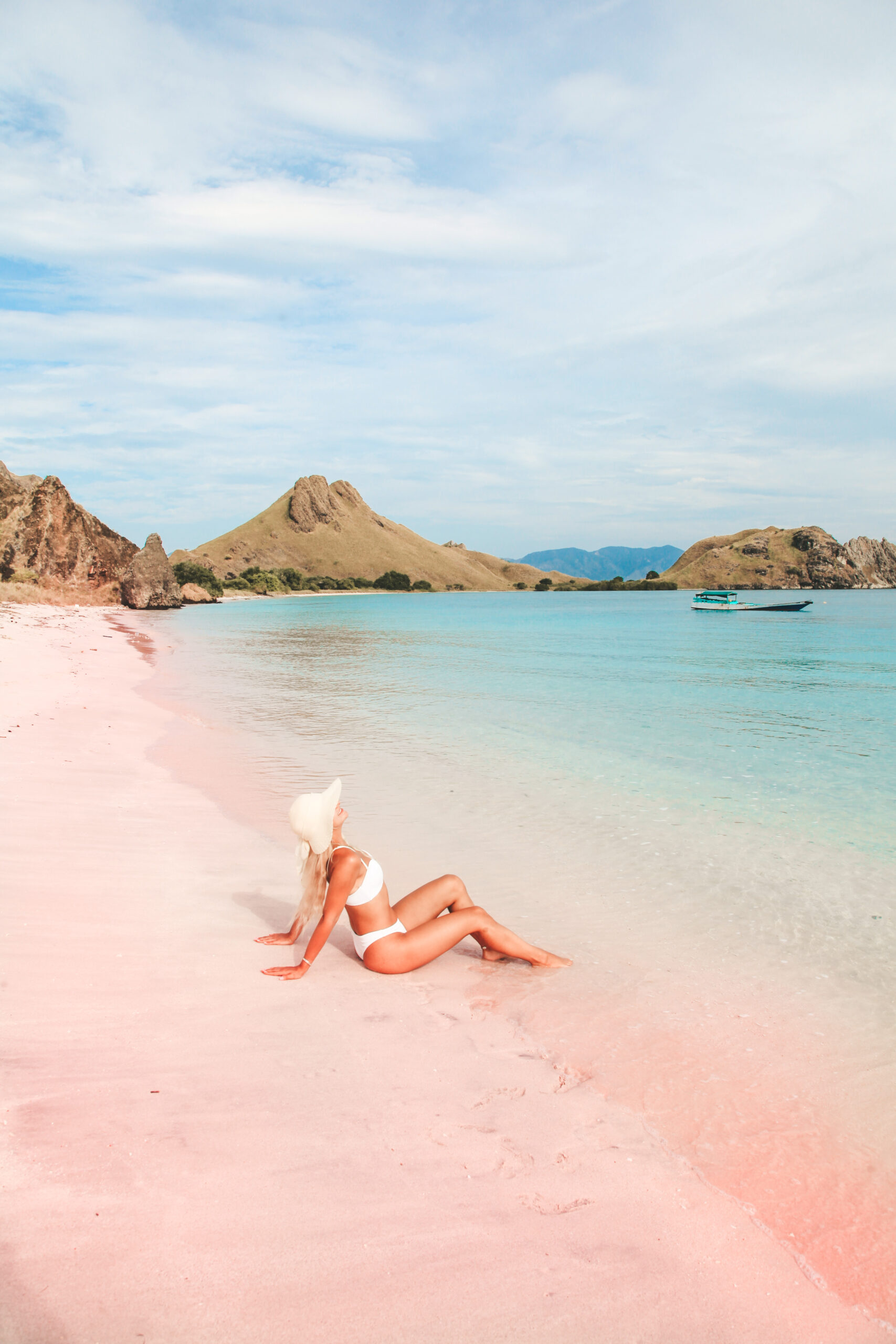
Pink beach is not a myth — it is absolutely, genuinely pink. When you first set foot on the shore of Pantai Merah (Red Beach) in Komodo National Park, Indonesia, the soft blush-colored sand stretching beneath turquoise waters will leave you speechless. But the question many travelers ask is: is pink beach really pink, or is it just a trick of the light?
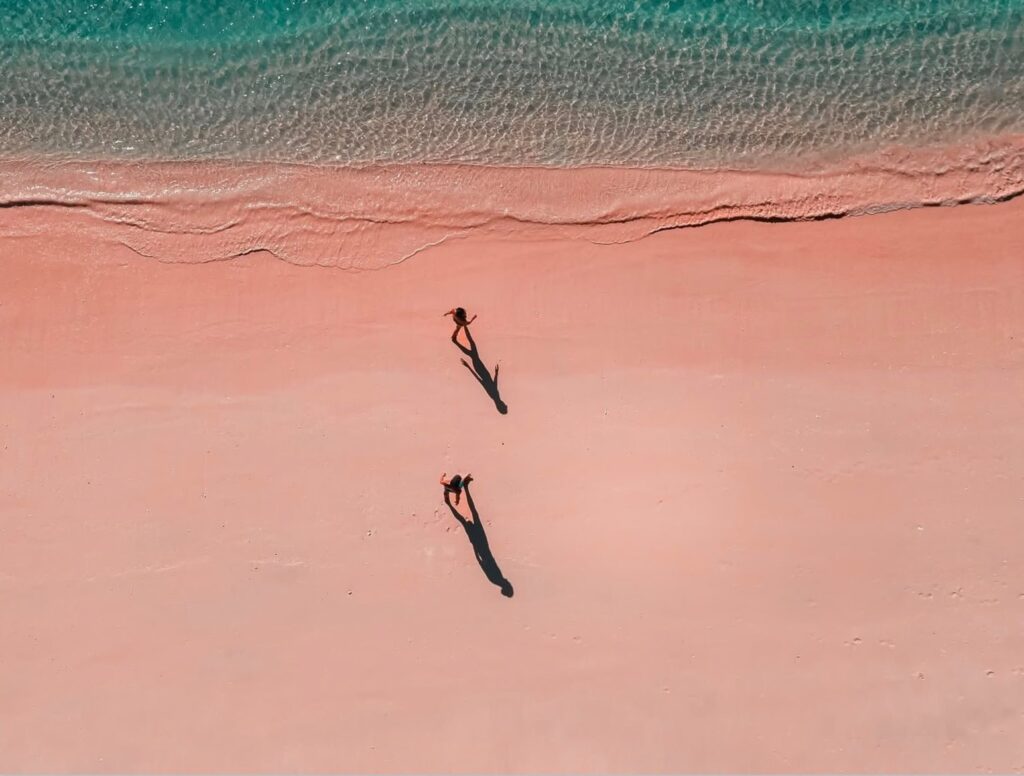
The answer is yes — the sand truly has a distinctive pink or reddish-pink hue, and it is not just an optical illusion caused by sunrise or sunset. Whether you visit at noon or in the golden hour, the color remains visible. The pink tone is natural and consistent, though its vibrancy can shift slightly depending on the moisture of the sand and the angle of sunlight.
The Secret Behind the Pink Color
So what exactly makes Pink Beach pink? The answer lies beneath the waves. The beach gets its unique color from millions of tiny red fragments produced by a microscopic marine organism known as Foraminifera, particularly the species Homotrema rubrum. These single-celled organisms build bright red or pink shells and commonly live on coral reefs and rocky surfaces in tropical waters.
When the organisms die, their colorful shells break apart into tiny particles and are carried ashore by waves and ocean currents. Over thousands of years, these red shell fragments mix with white calcium carbonate sand from corals and seashells, creating the soft pink hue that makes Pink Beach so famous.
According to marine biologists, Homotrema rubrum thrives in warm, shallow tropical waters, making the coral-rich seas around Flores and Komodo an ideal habitat. You can learn more about Foraminifera and their ecological role through the NOAA Ocean Service.
How Pink Beach Forms Over Time
The formation of a Pink Beach is a slow natural process that can take thousands, or even tens of thousands, of years. Here’s how it happens:
Step 1 — Foraminifera Colonies Thrive
Tiny marine organisms known as Foraminifera, particularly Homotrema rubrum, live on coral reefs and rocky surfaces beneath the sea. These organisms build bright red shells and thrive in warm, shallow tropical waters.
Step 2 — The Shells Break Down
When the organisms die, their shells settle on the seafloor. Over time, waves, currents, and natural erosion break the shells into tiny red fragments. Some marine species, including parrotfish, also contribute to this process by grinding coral and shell material into fine particles.
Step 3 — Red Fragments Mix with White Sand
Ocean currents carry these red particles toward the shoreline, where they mix with white calcium carbonate sand derived from coral skeletons and seashells. This combination creates the distinctive pink color that makes Pink Beach so unique.
Step 4 — Nature Continuously Replenishes the Beach
As long as coral reefs and Foraminifera populations remain healthy, new red shell fragments continue to be produced and deposited on the beach. This ongoing natural process helps maintain the beach’s pink appearance over time.
Where Can You Find Pink Beaches?
Pink beaches are extraordinarily rare and can only be found in a handful of locations around the world. Some of the most famous examples include:
Pink Beach, Komodo National Park, Indonesia
Often considered the most famous Pink Beach in Asia, this stunning shoreline is located within Komodo National Park near Labuan Bajo, Flores. Its distinctive pink hue comes from the mixture of white coral sand and red Foraminifera fragments.
Harbour Island, Bahamas
Known for its soft blush-colored sand, Harbour Island is one of the most photographed pink beaches in the world. The beach stretches for several kilometers along the island’s eastern coast.
Elafonissi Beach, Crete, Greece
This beautiful lagoon is famous for its shallow turquoise waters and pink-tinted sand, created by crushed seashells and marine organisms.
Bermuda’s Pink Sand Beaches
Several beaches throughout Bermuda feature pale pink sand, making the island one of the world’s best-known destinations for this rare natural phenomenon.
Tips for Visiting Pink Beach Indonesia
Planning a trip to pink beach in Komodo National Park? Here are some essential tips to make the most of your visit:
Best time to visit: April to August is ideal — dry season means calm seas, better visibility for snorkeling, and the most vibrant pink hues. Avoid the rainy season (December–February) when rough waters and cloudy skies can mute the color.
How to get there: Fly into Komodo Airport (LBJ) in Labuan Bajo, then join a liveaboard boat tour or day trip. Pink Beach is typically included in standard Komodo island-hopping routes.
What to bring: Reef-safe sunscreen (protecting the coral is vital!), snorkel gear, water shoes for rocky entry points, and a waterproof camera to capture the magical color contrast.
Respect the ecosystem: Do not walk on or collect coral. The health of the reef directly determines whether pink beach stays pink for future generations. Stay on the sandy areas and avoid touching any underwater life while snorkeling.
Our Travelers Have Experienced It
Here are sailing packages from Travass.life that give you structure while allowing a better travel rhythm: